Landing on Antarctica: Penguins, Submersibles, and Iceberg Graveyards on the Antarctic Peninsula
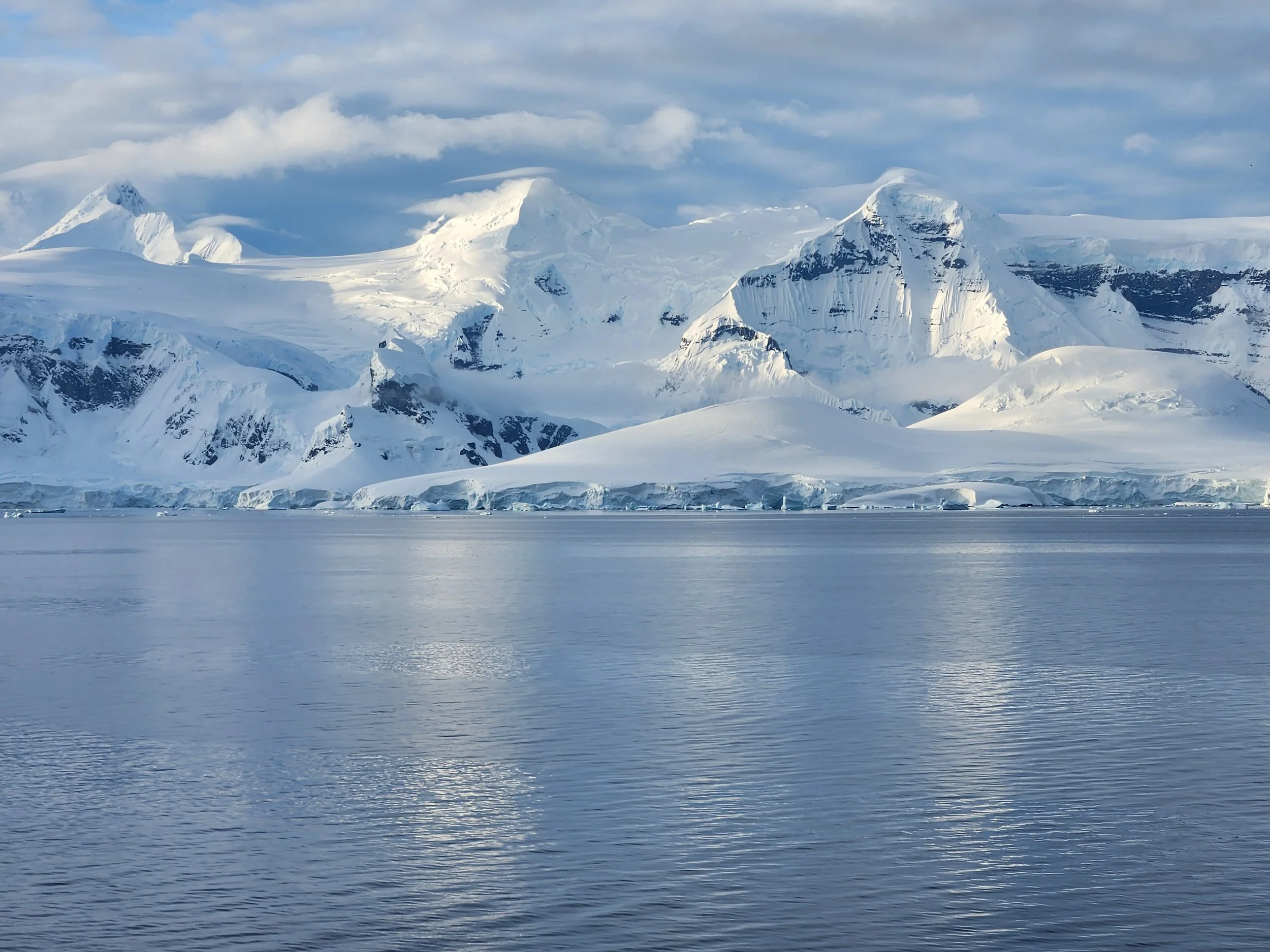
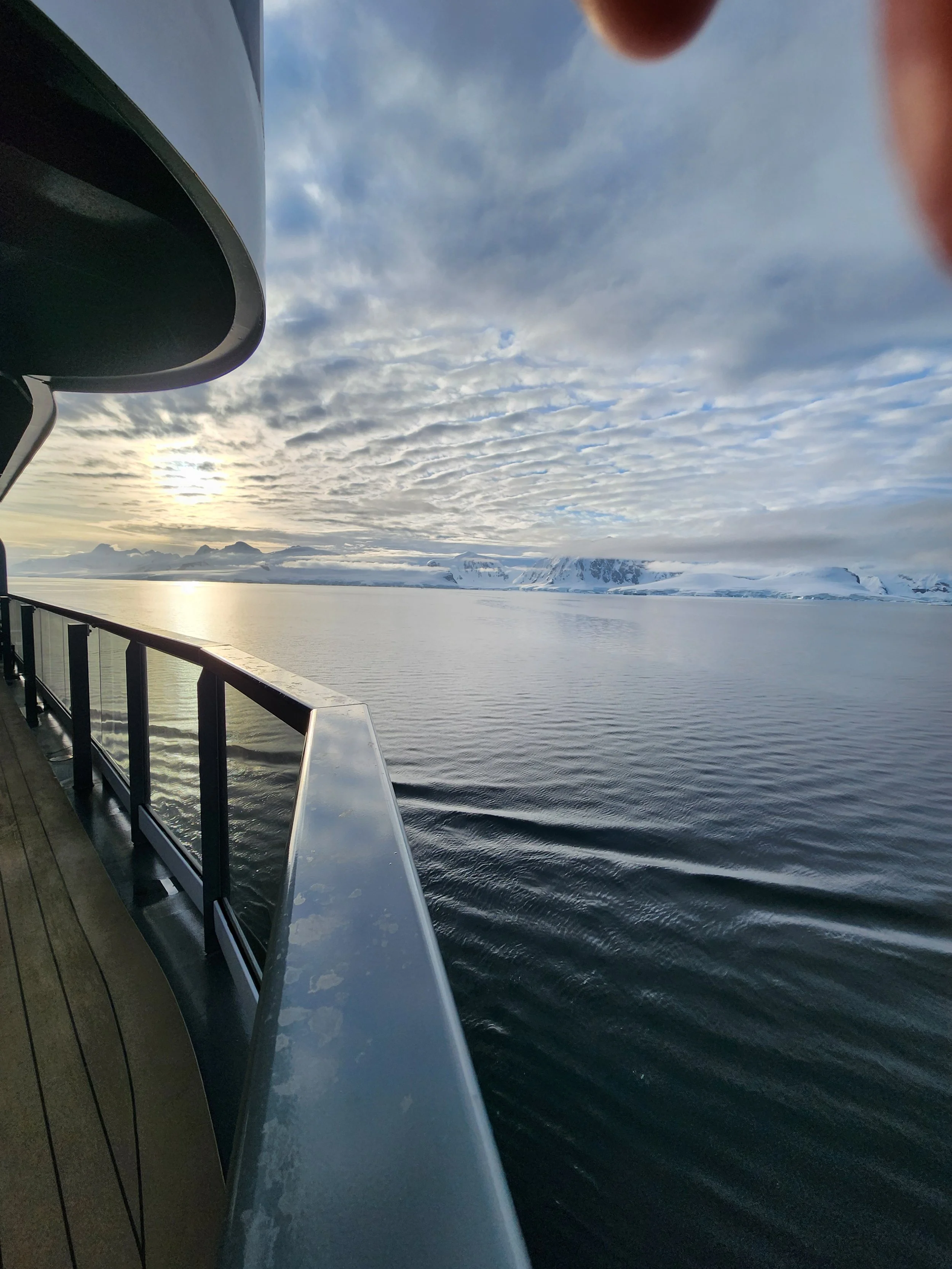
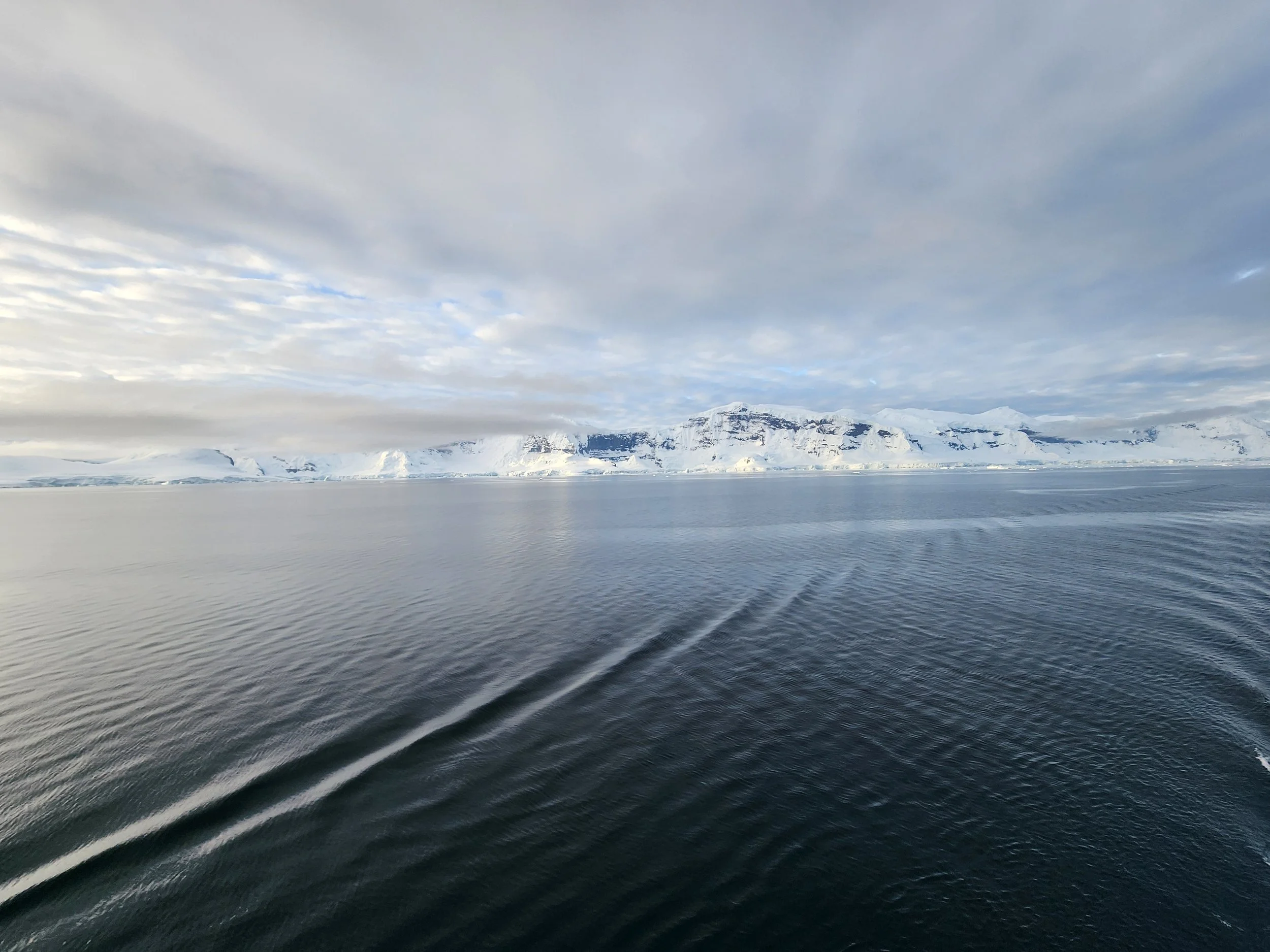
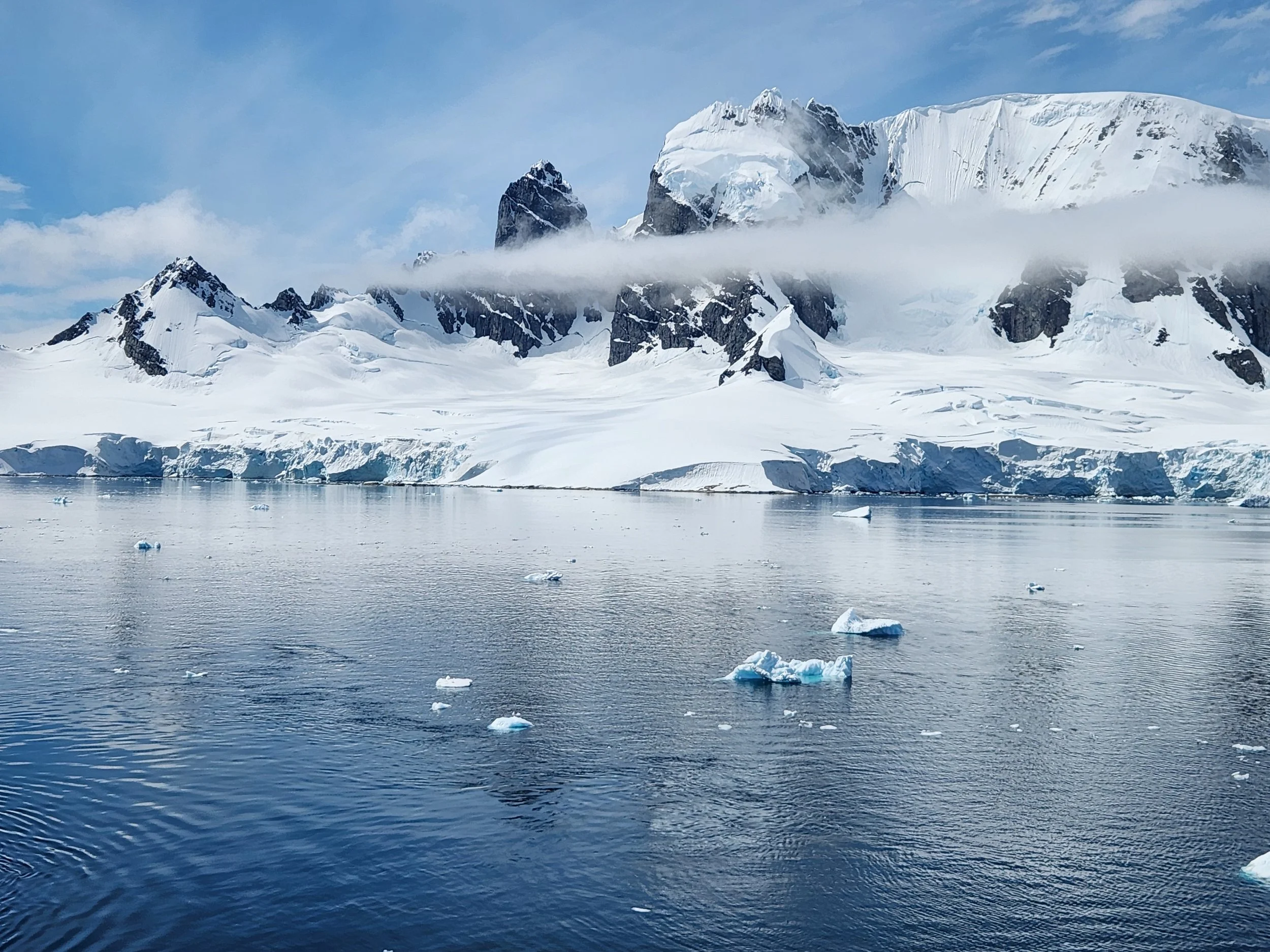
After days of anticipation, rolling seas, and crossing the infamous Drake Passage, we finally arrived where we’d been dreaming of for years: Antarctica. In this part of our journey, we explore the Antarctic Peninsula, experience our first landings, encounter thousands of penguins, dive beneath the ice in a submersible, and witness wildlife that feels almost unreal.
If you’re just joining our journey, be sure to check out Part 1: Getting to Antarctica and Part 2: Days at Sea & Crossing the Drake Passage to see how we got here.
Our First Landing: Half Moon Island
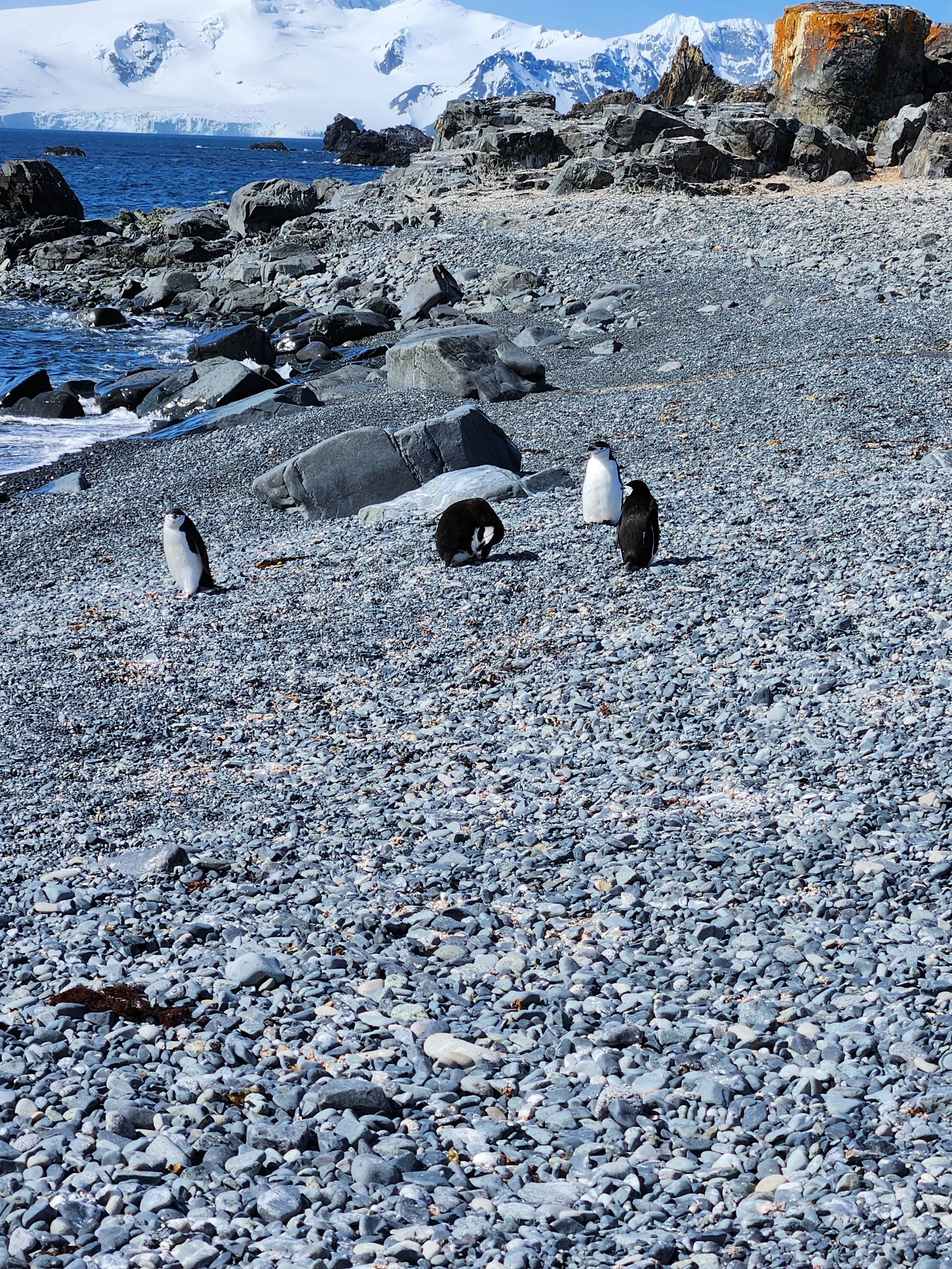
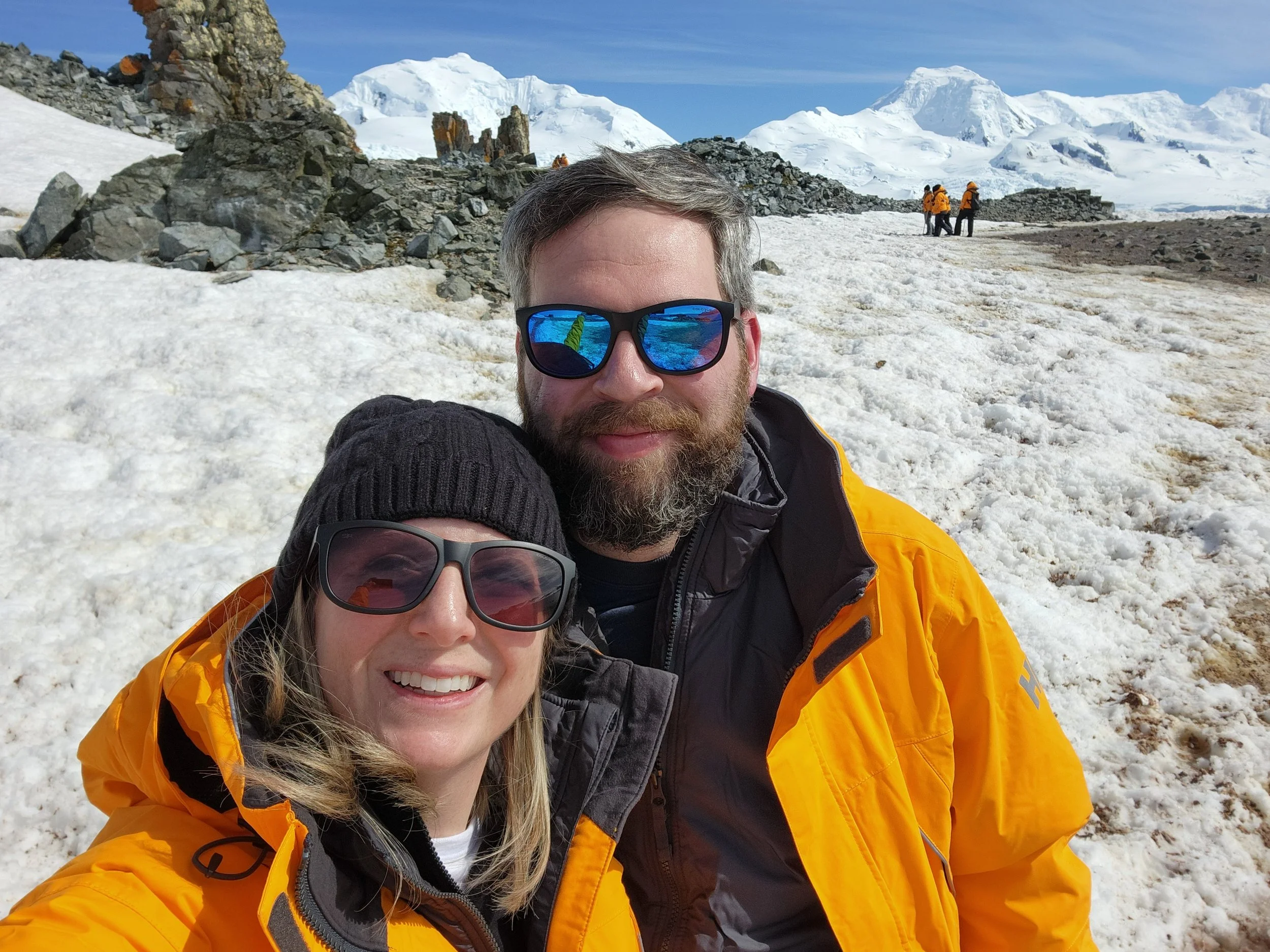
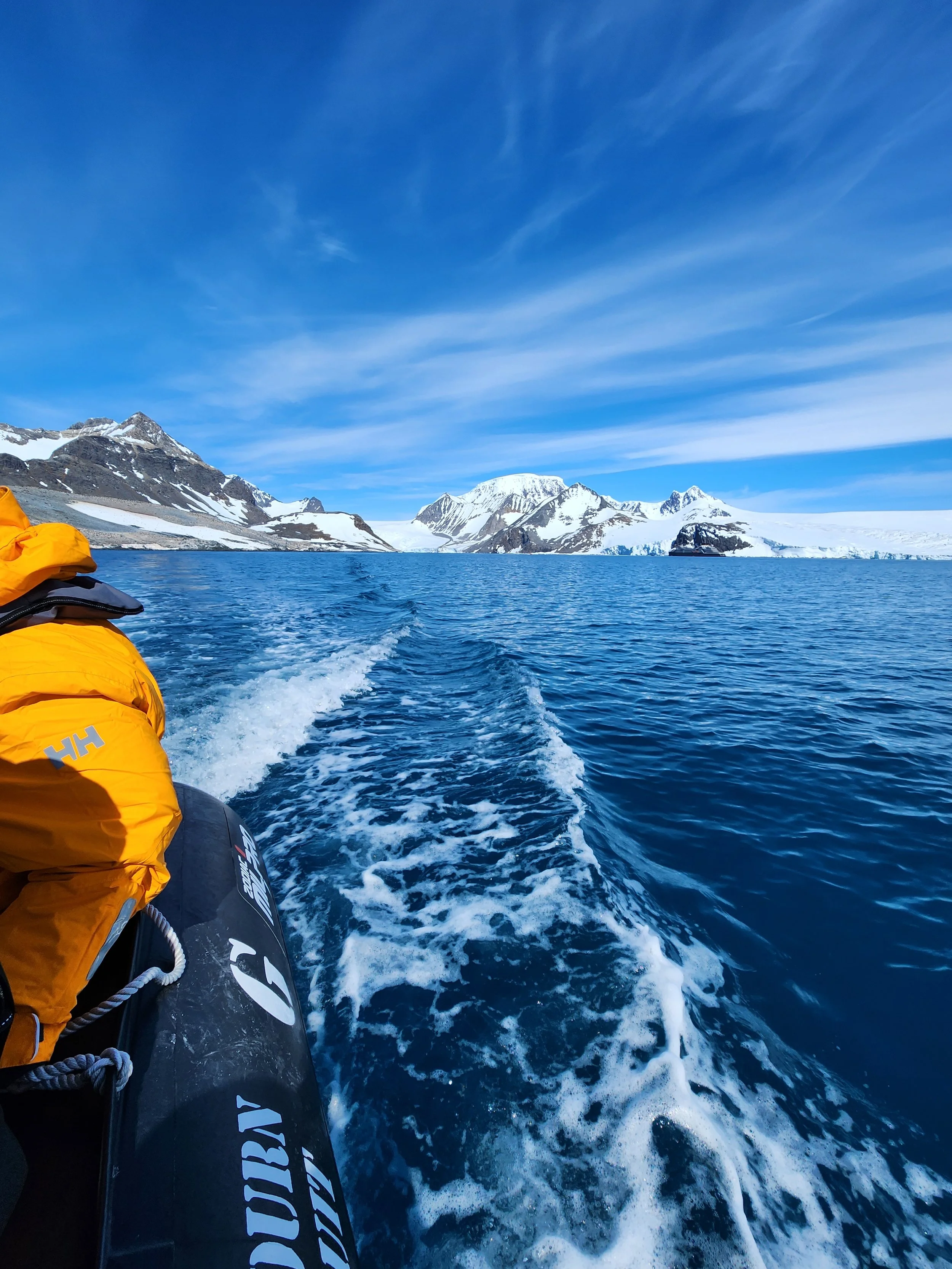
We arrived at the Antarctic Peninsula about half a day early, which made our first stop feel extra special. Our very first landing was at Half Moon Island, and it didn’t disappoint. After gearing up and boarding a zodiac, we made the short ride to shore—where we were immediately greeted by our first Chinstrap penguin.
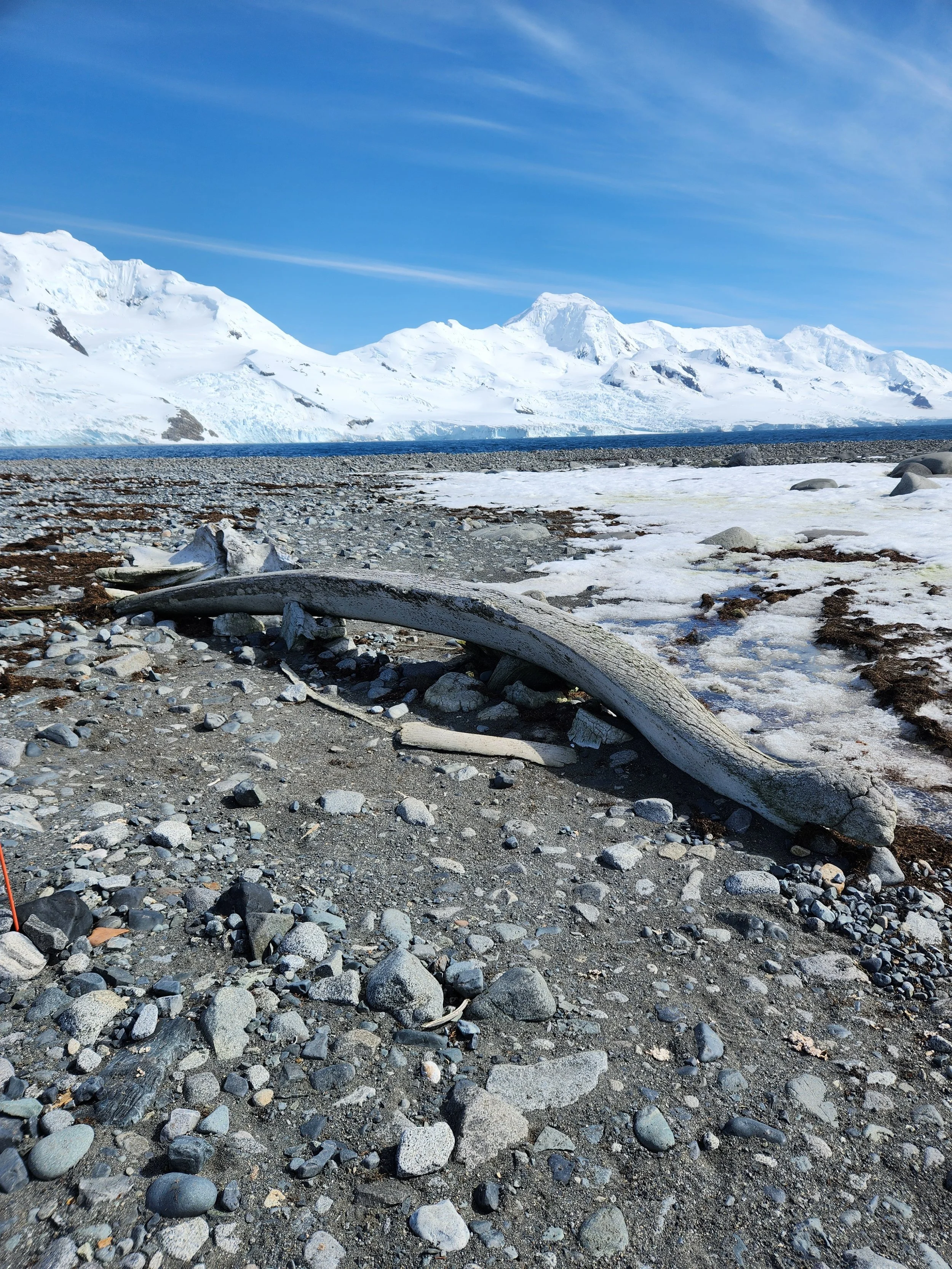
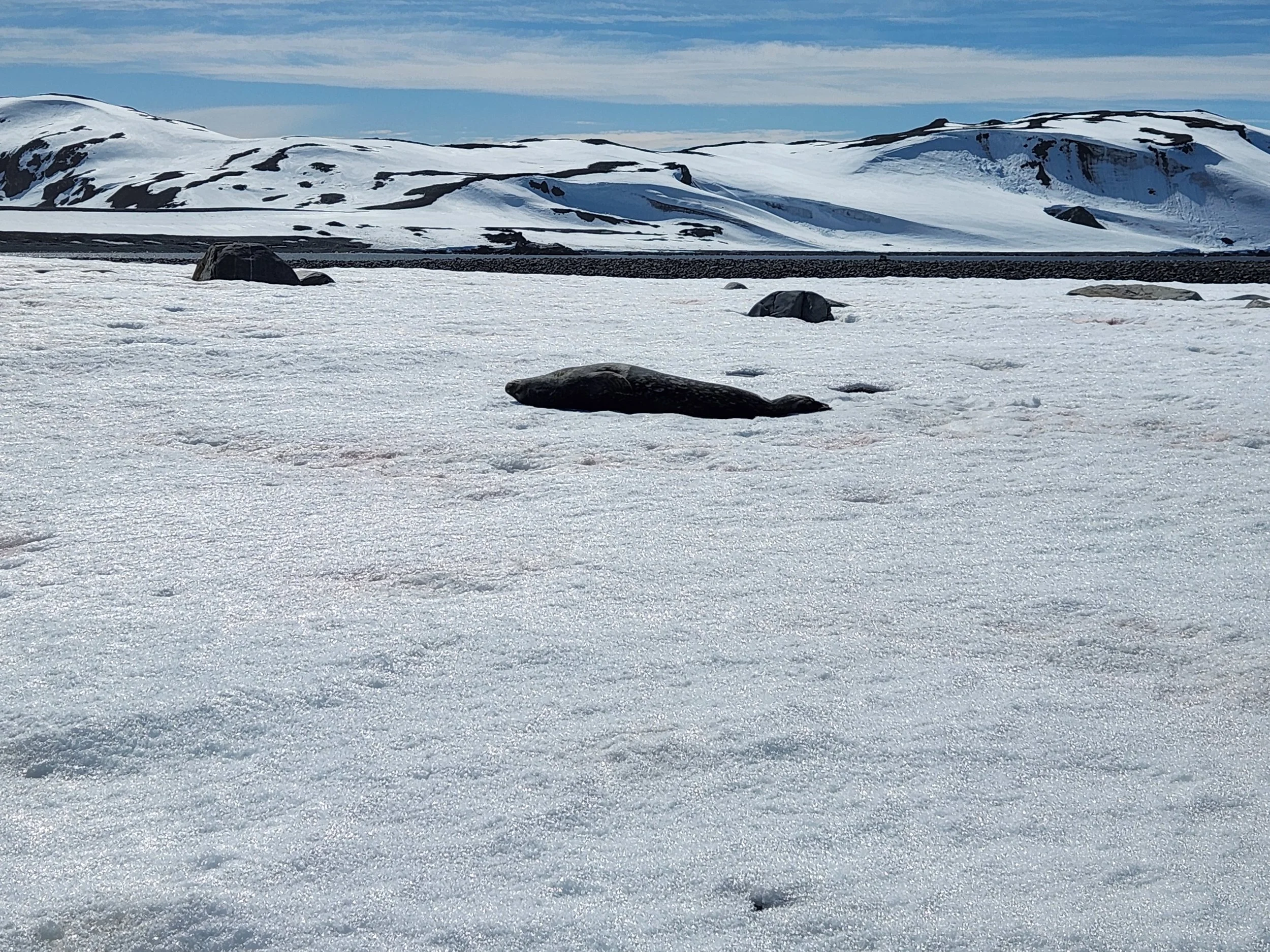
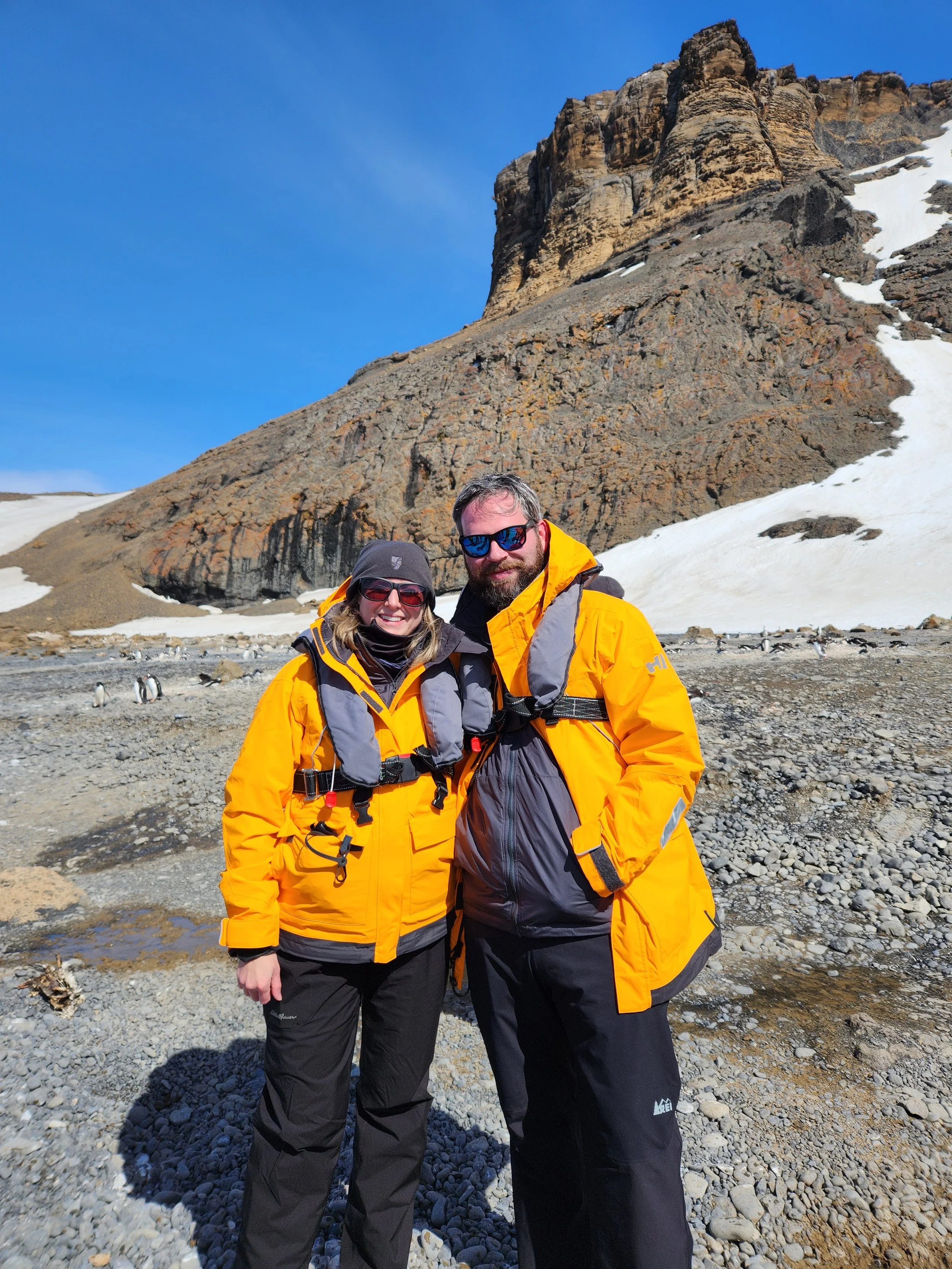
Landings in Antarctica are surprisingly relaxed. Expedition guides mark safe paths for you to follow, leading you toward points of interest while protecting the fragile environment. Along the way, we spotted a seal that we would have easily mistaken for a rock, as well as a massive whale jawbone that blended into the landscape.
Most of our time, though, was spent just watching penguins—how they move, interact, and go about their daily lives. After about an hour ashore, we headed back to the ship, following strict biosecurity procedures to clean our gear and help prevent the spread of disease.
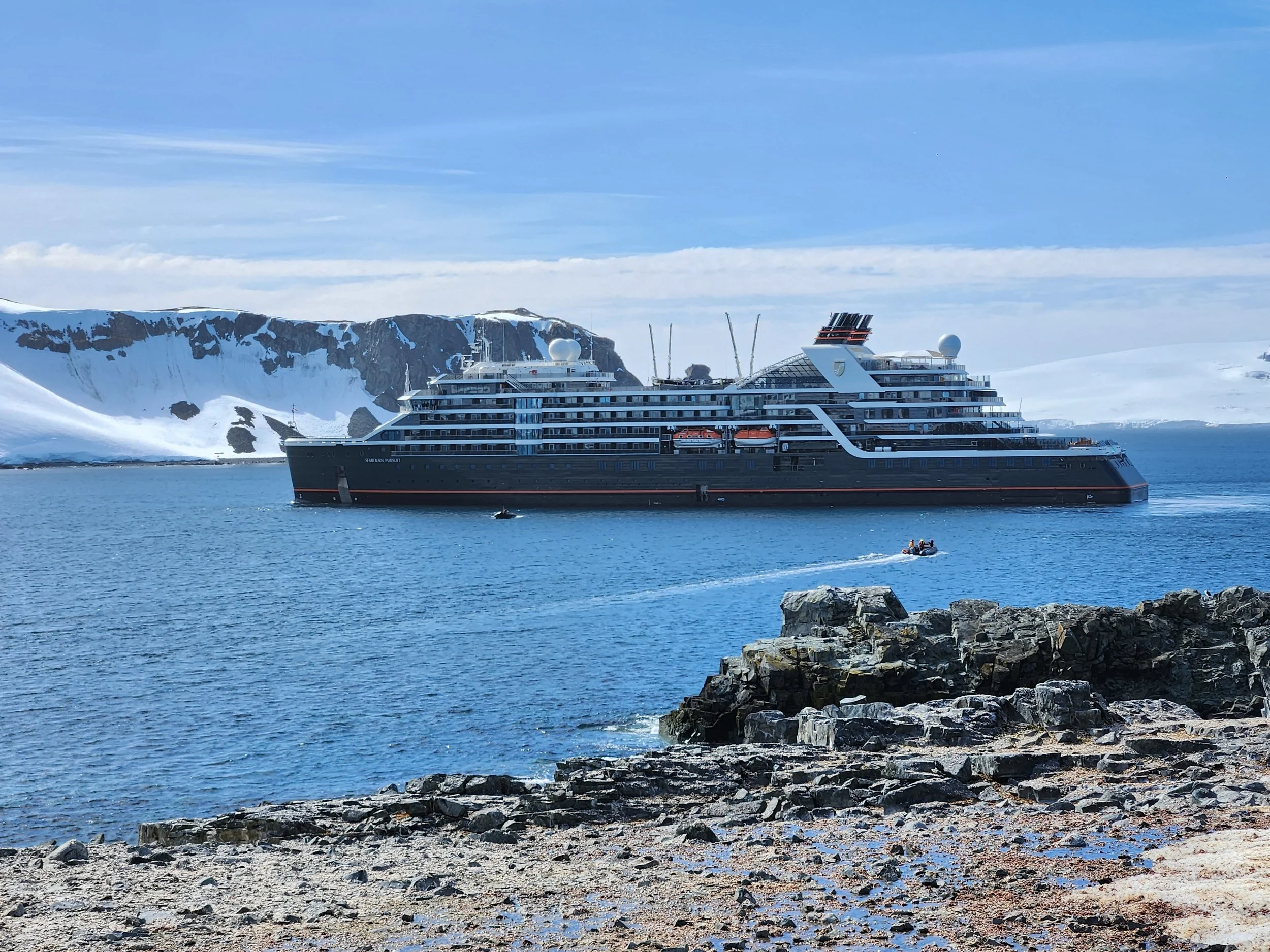
Diving Below the Ice: Submersible Experience at Hope Bay
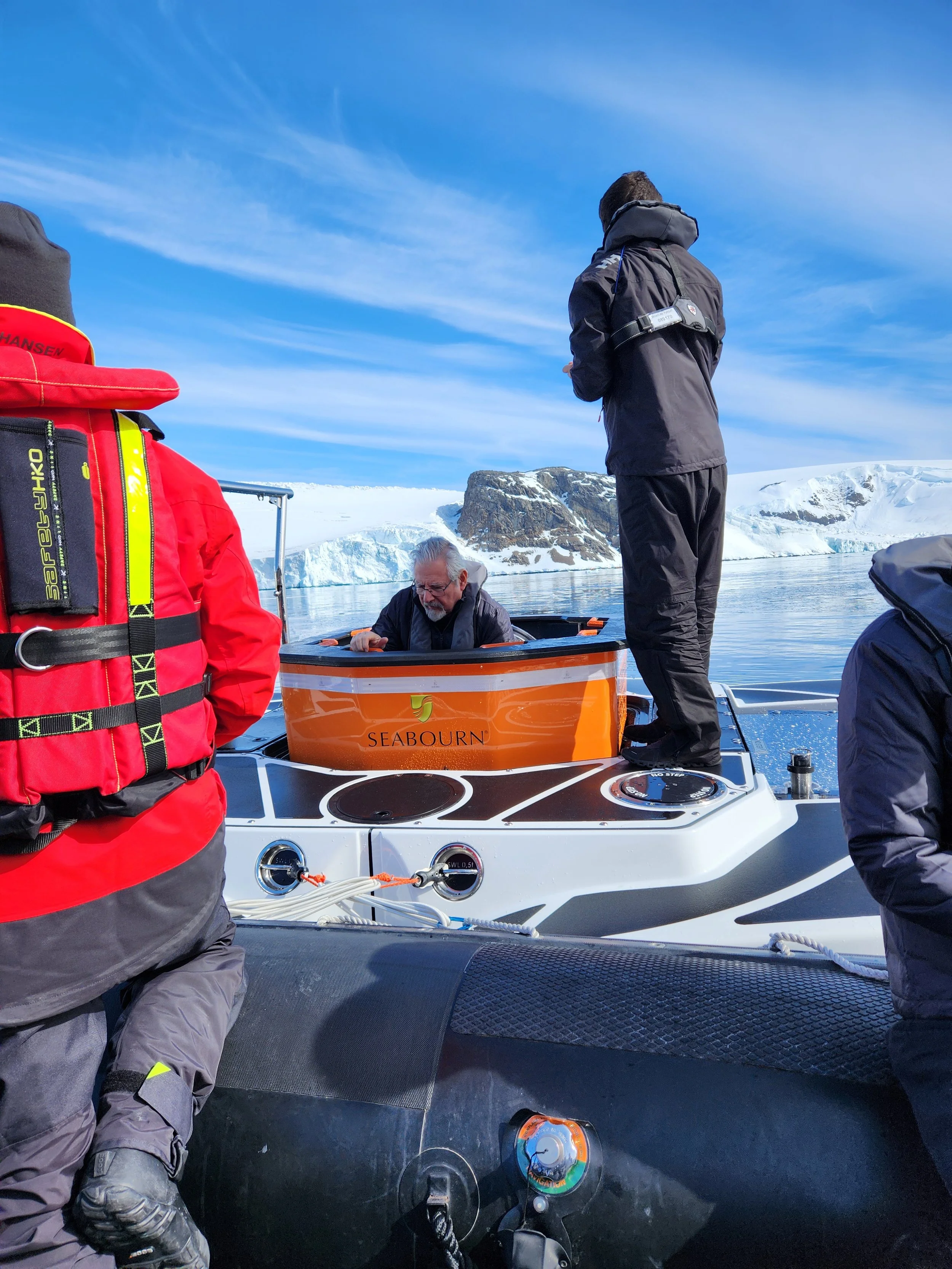
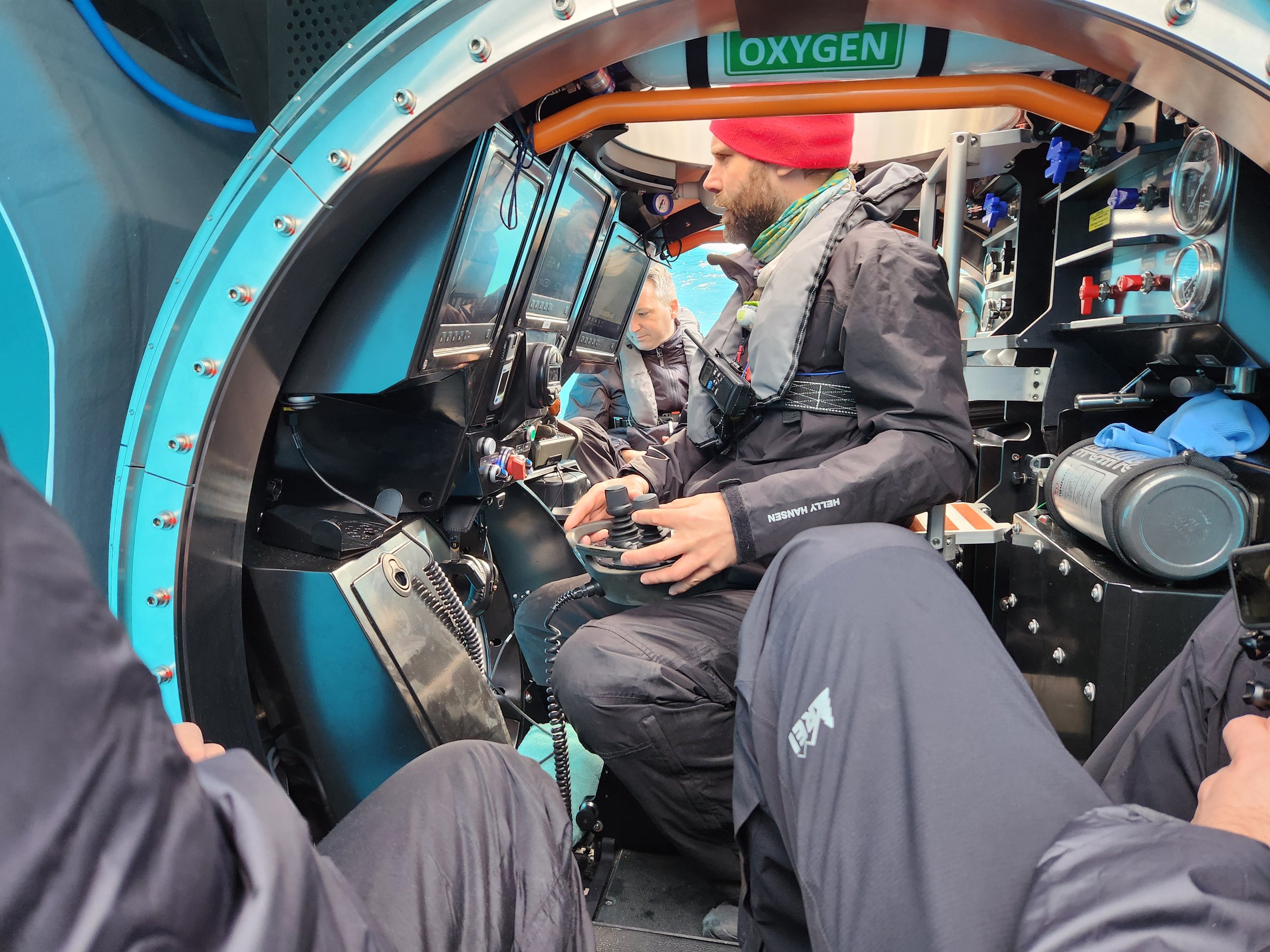
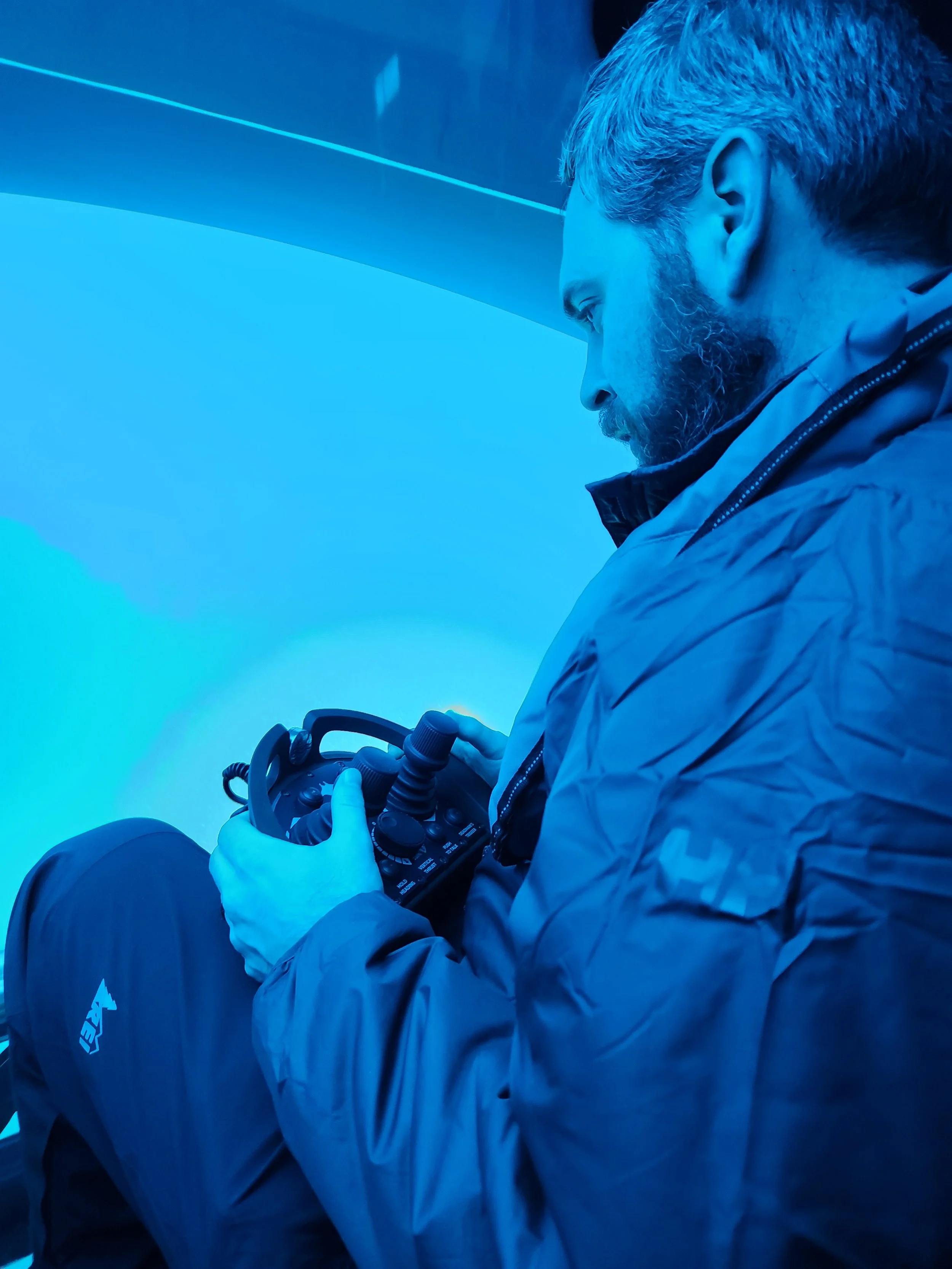
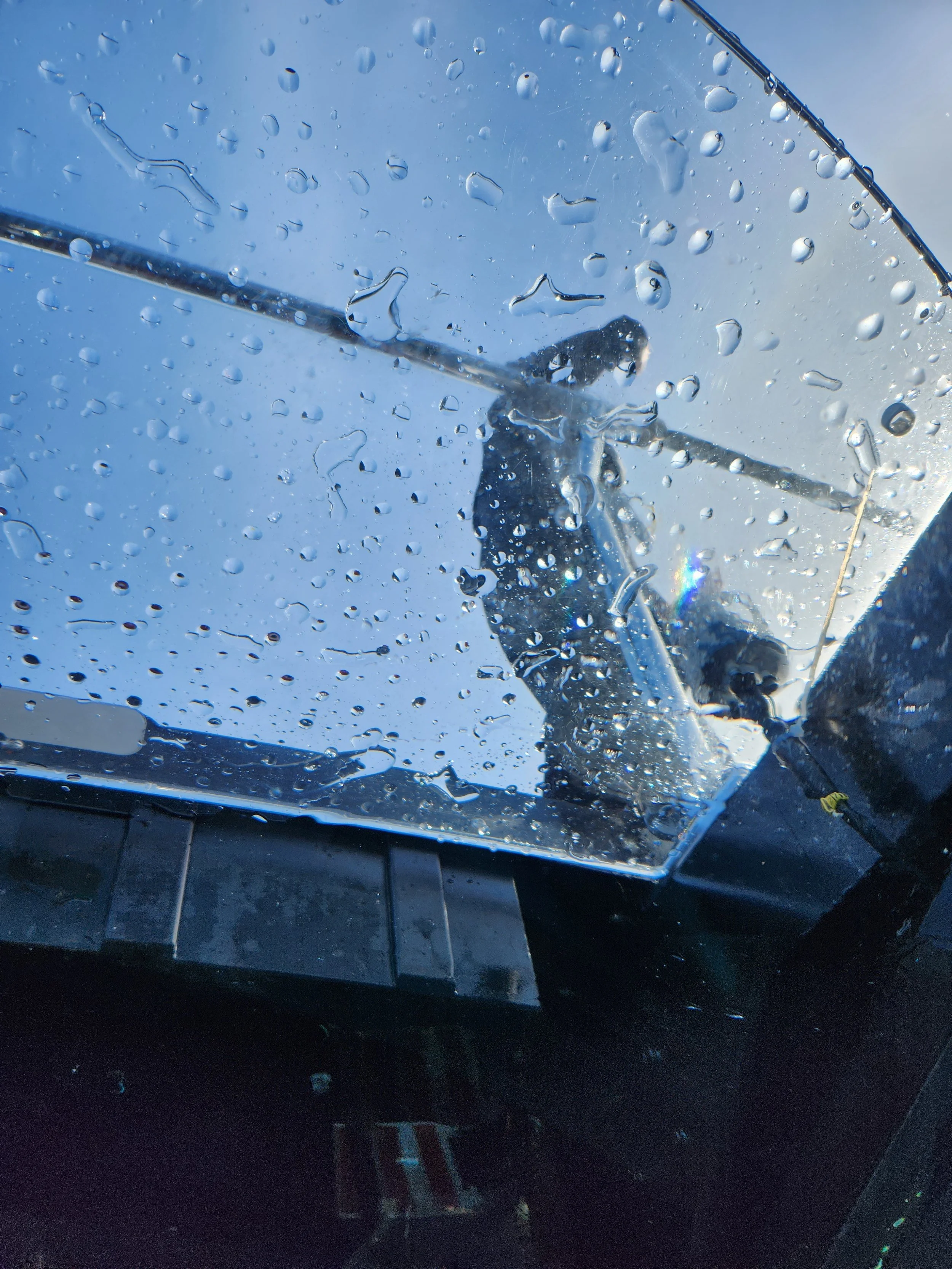
One of the most anticipated experiences of our entire expedition took place the next morning at Hope Bay—a dive in Seabourn Pursuit’s C-Explorer 3 (C7300) submersible. We actually spotted the sub being launched while eating breakfast, which only added to the excitement.
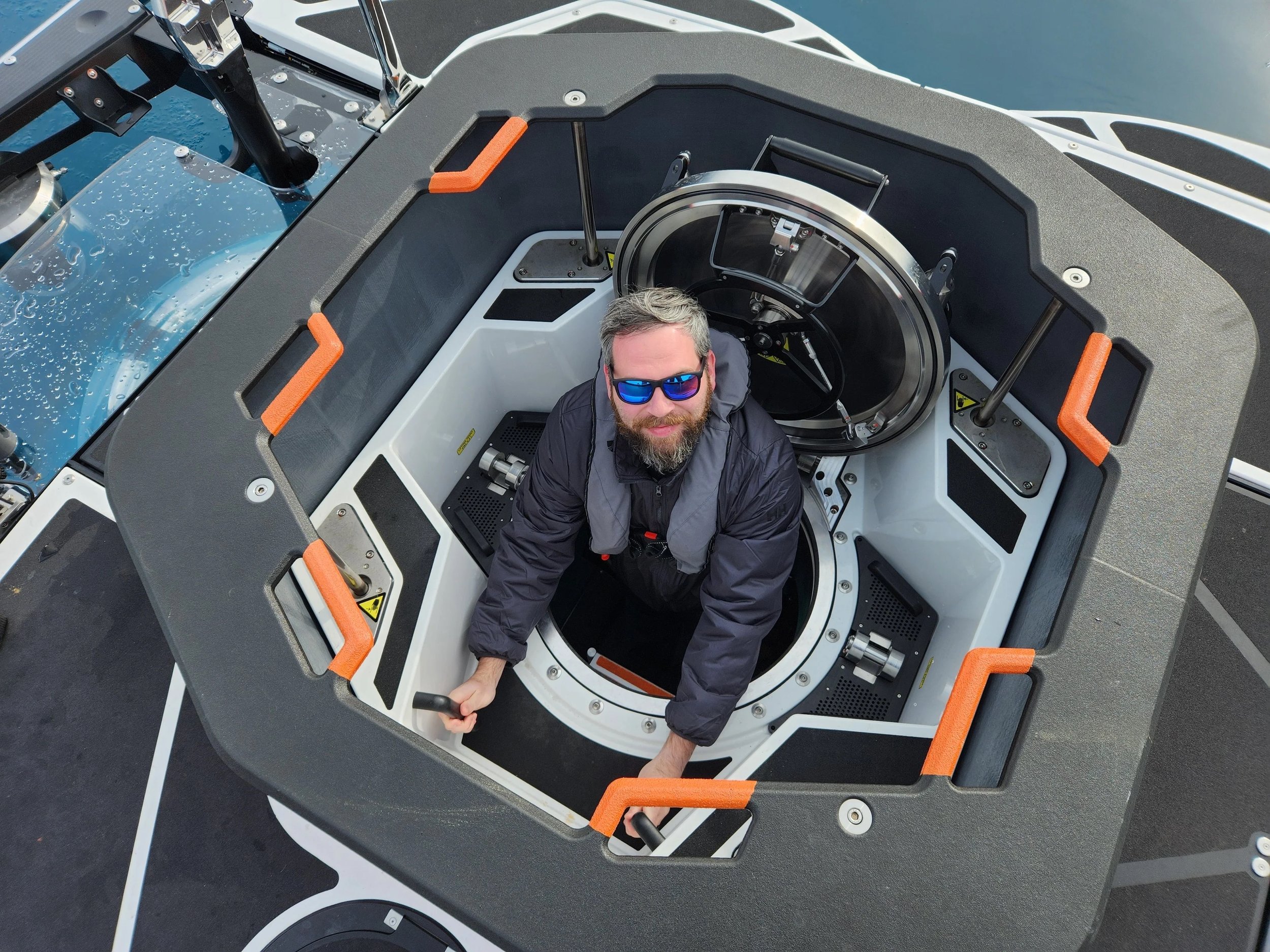
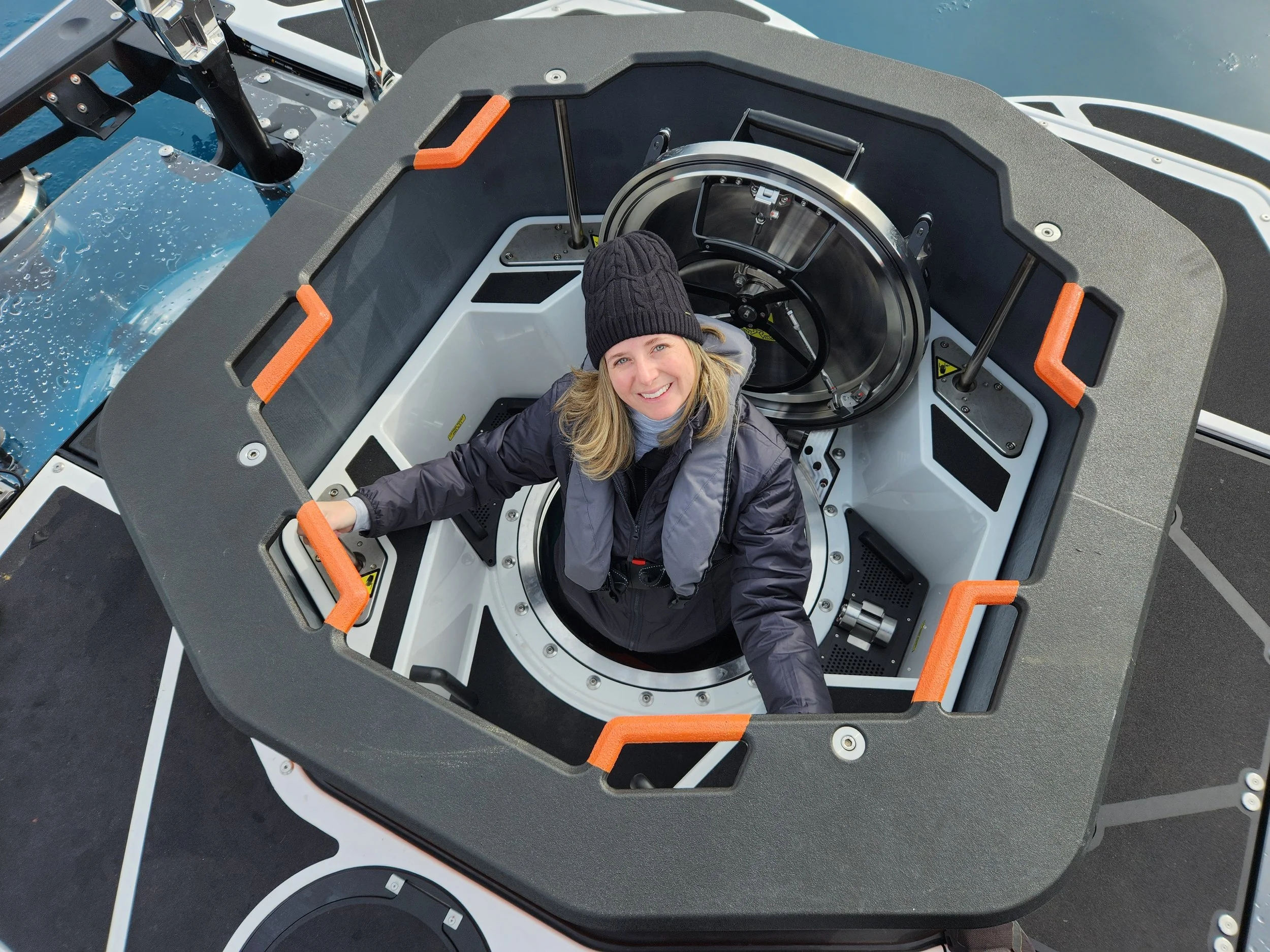
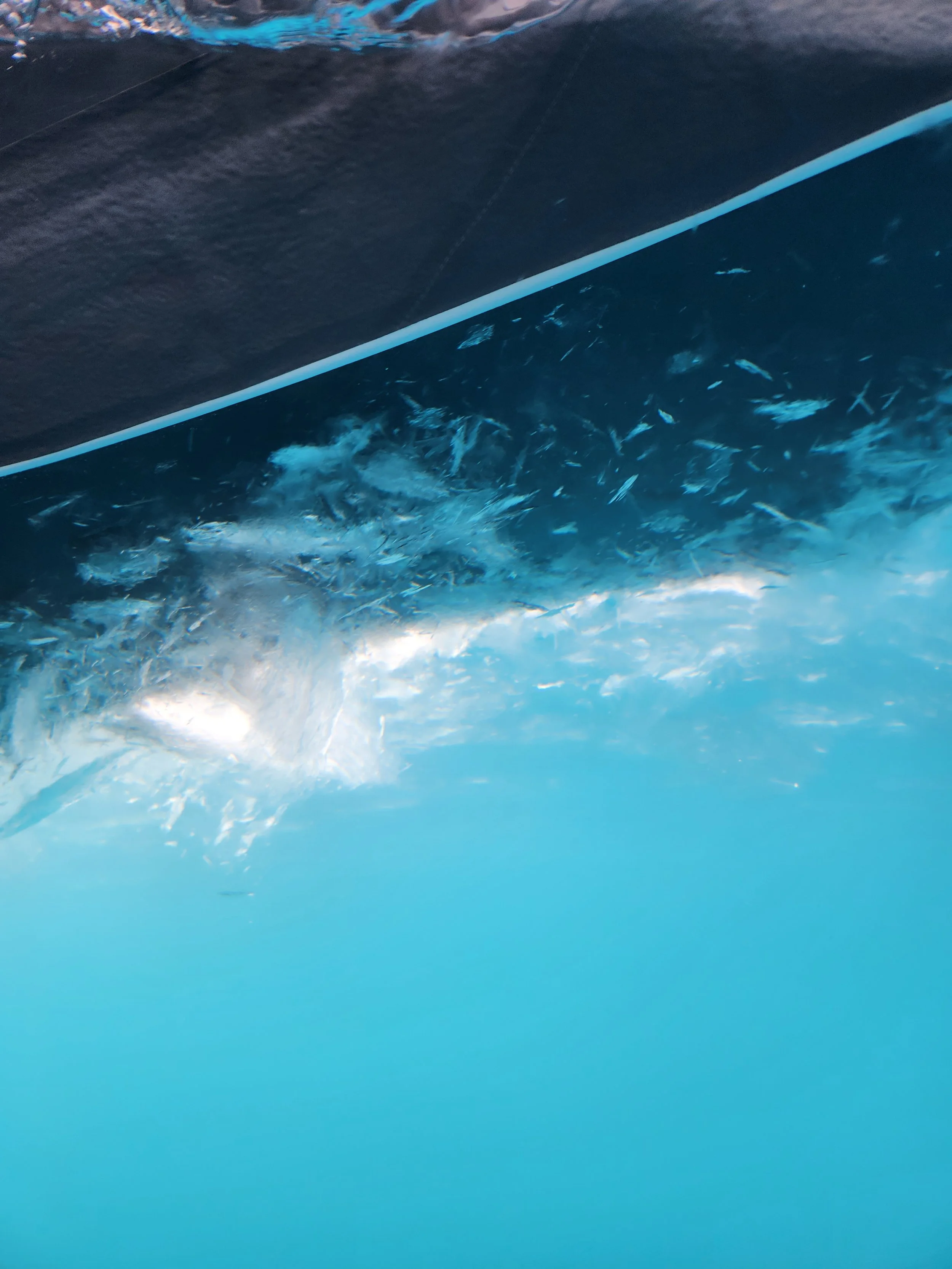
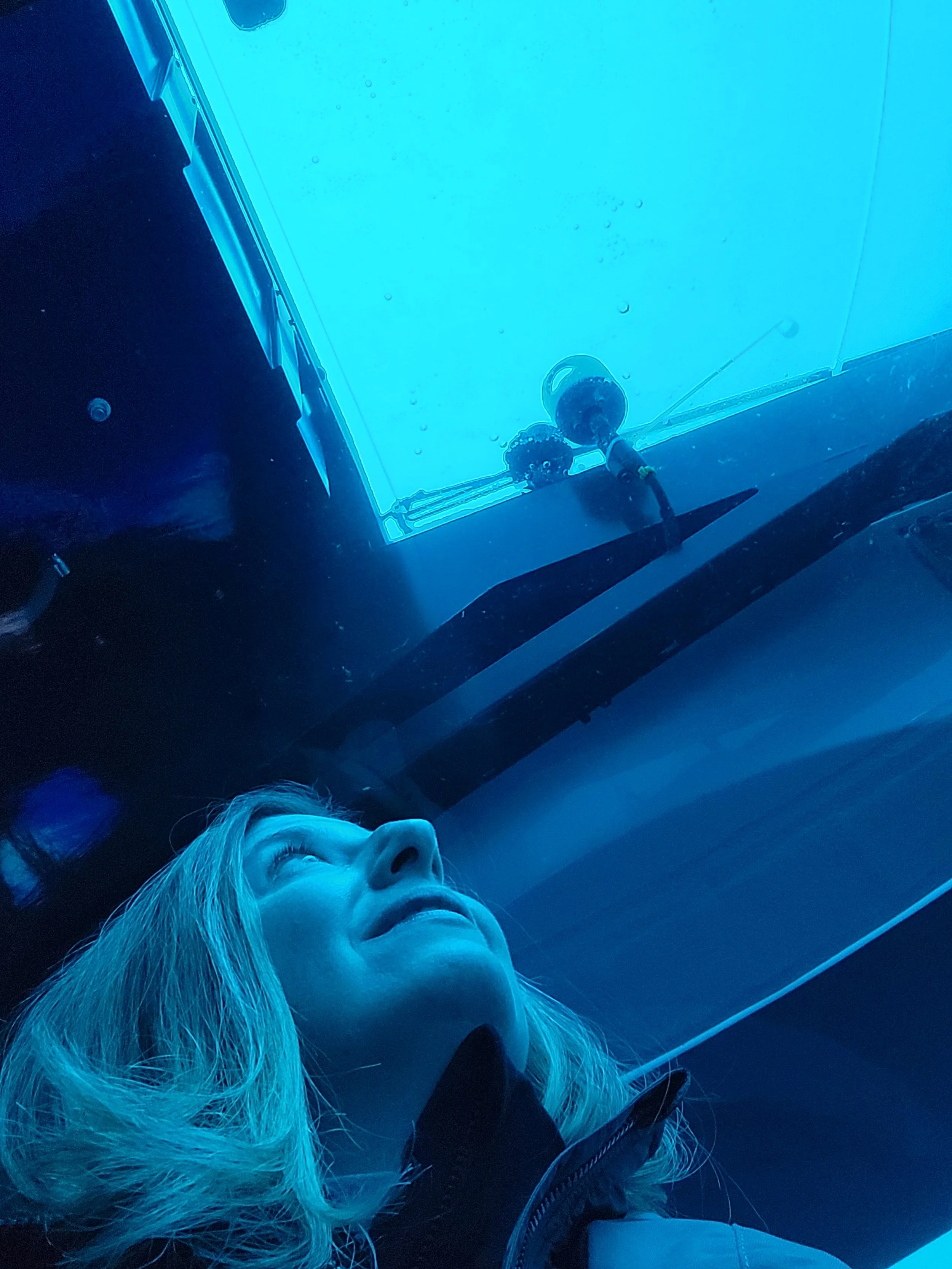
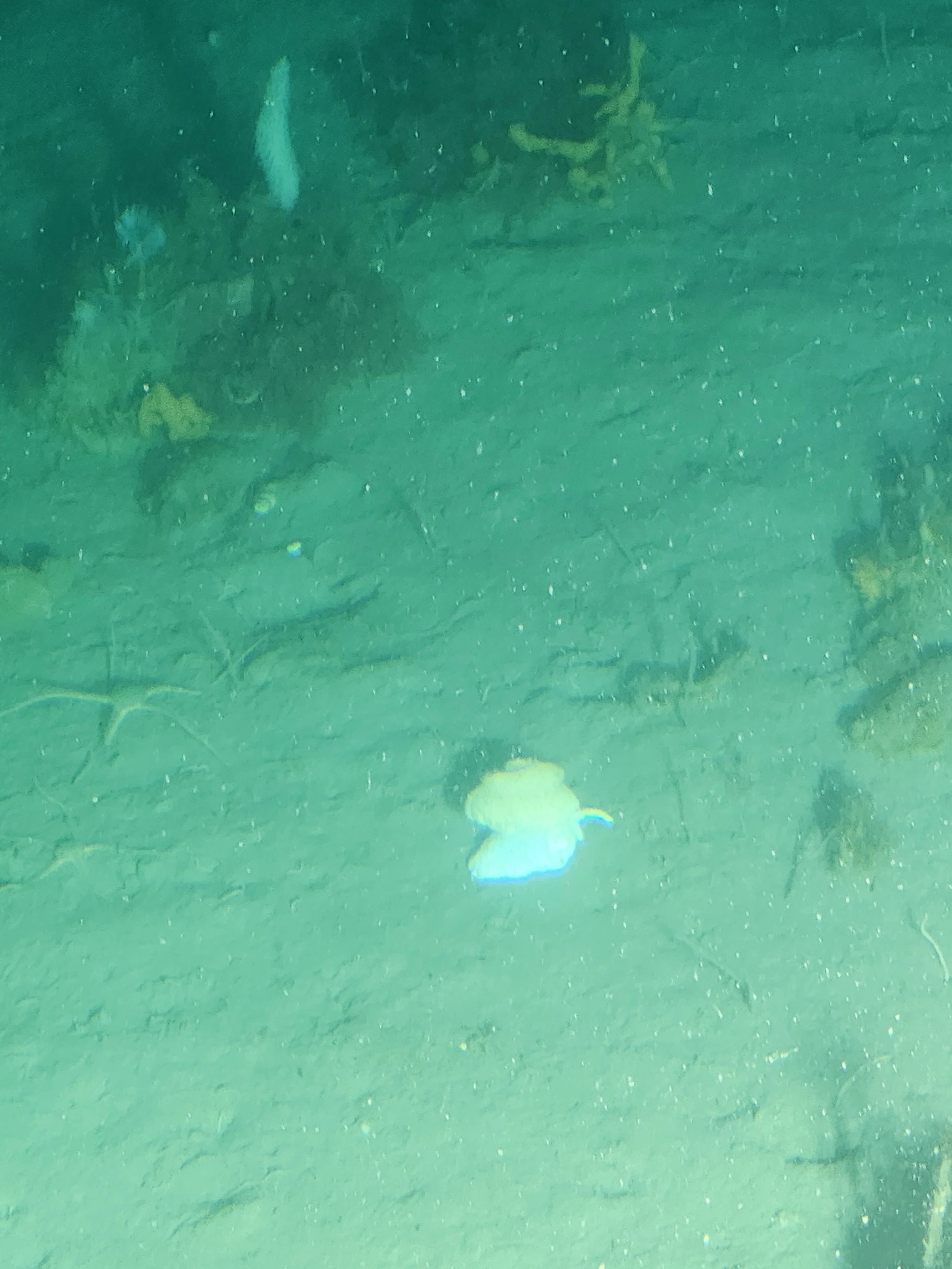
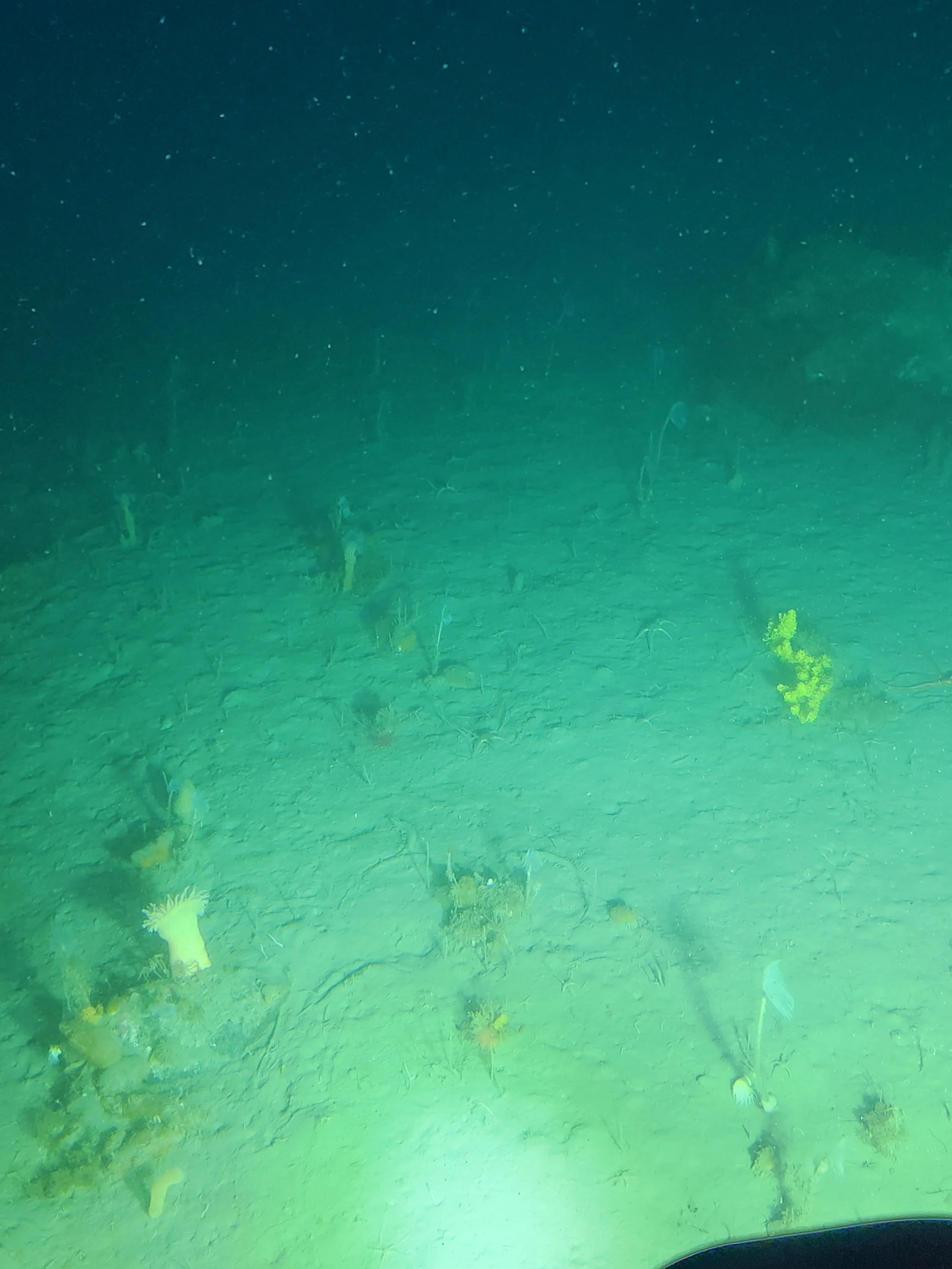
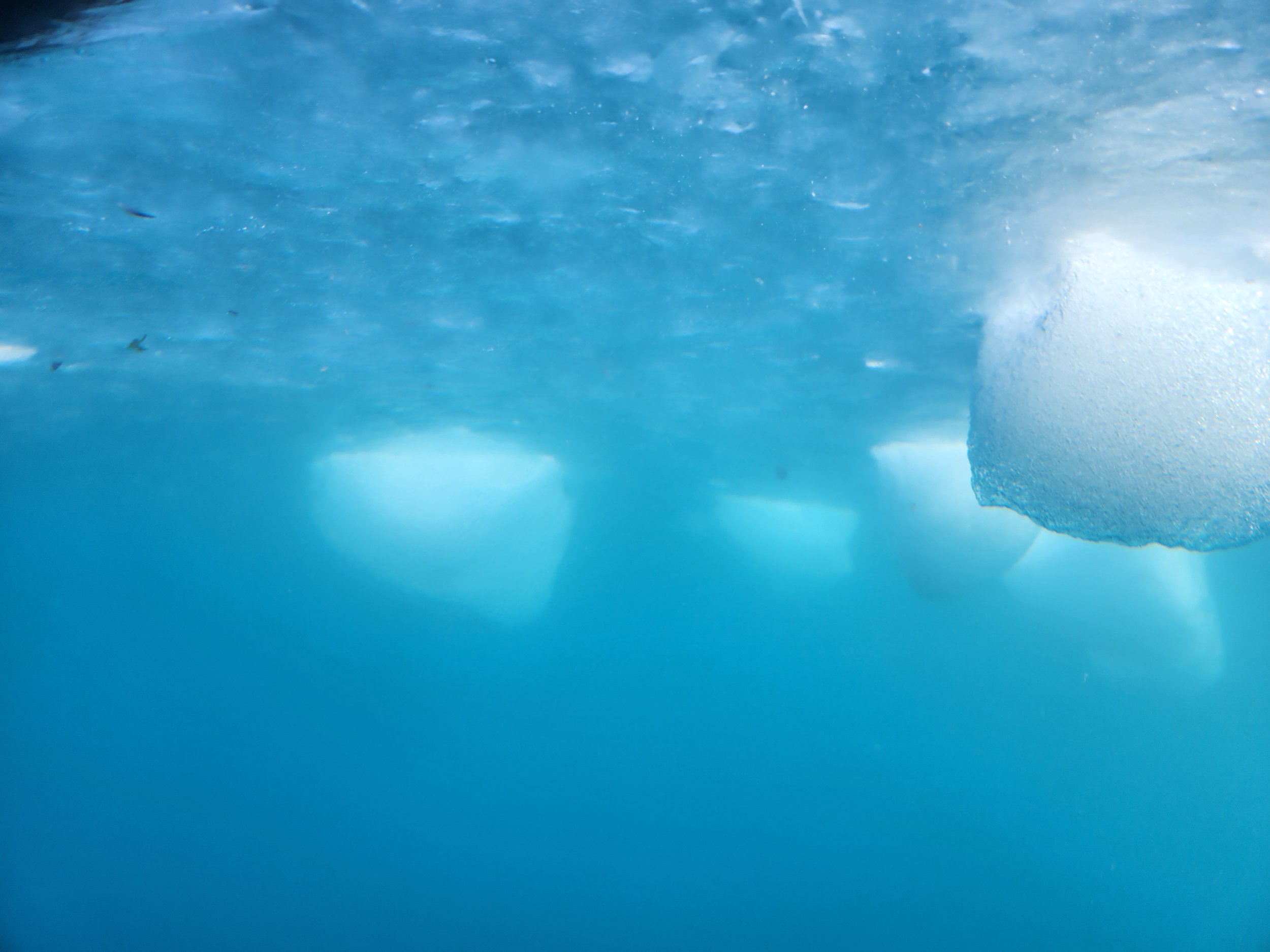
After boarding via zodiac and climbing down into the sub (it’s definitely tight quarters!), we listened to a safety briefing and then began our descent. The views of the ice from below were surreal. While marine life sightings were minimal—some starfish and snails—the experience itself was unforgettable.
Is the submersible worth the $1,000 USD price tag? That really depends on the traveler. For John, this was a lifelong dream, which made it absolutely worth it. And yes—I even got to drive the sub before we surfaced.
Zodiac Cruising, Glacier Ice, and Penguin Encounters
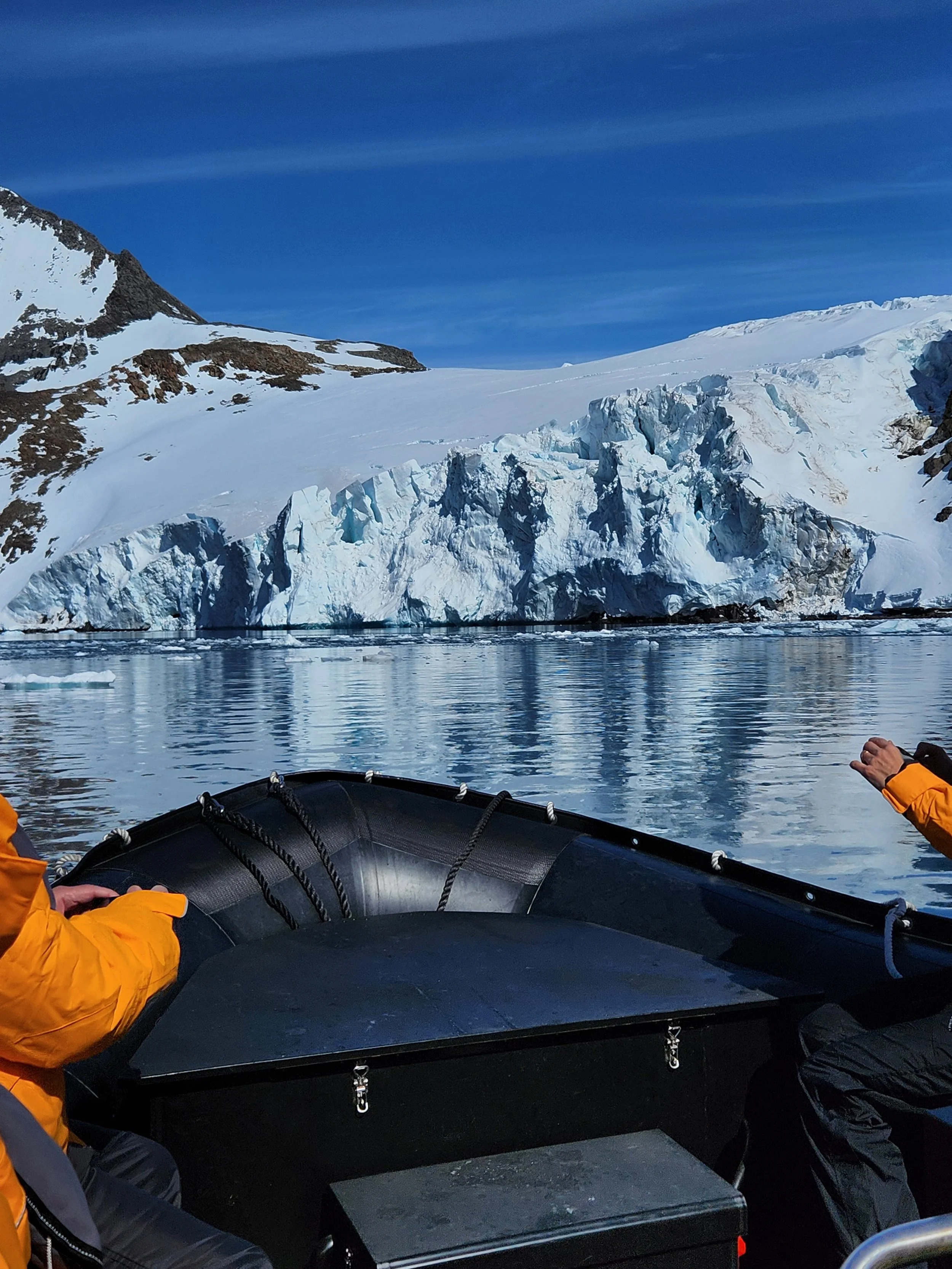
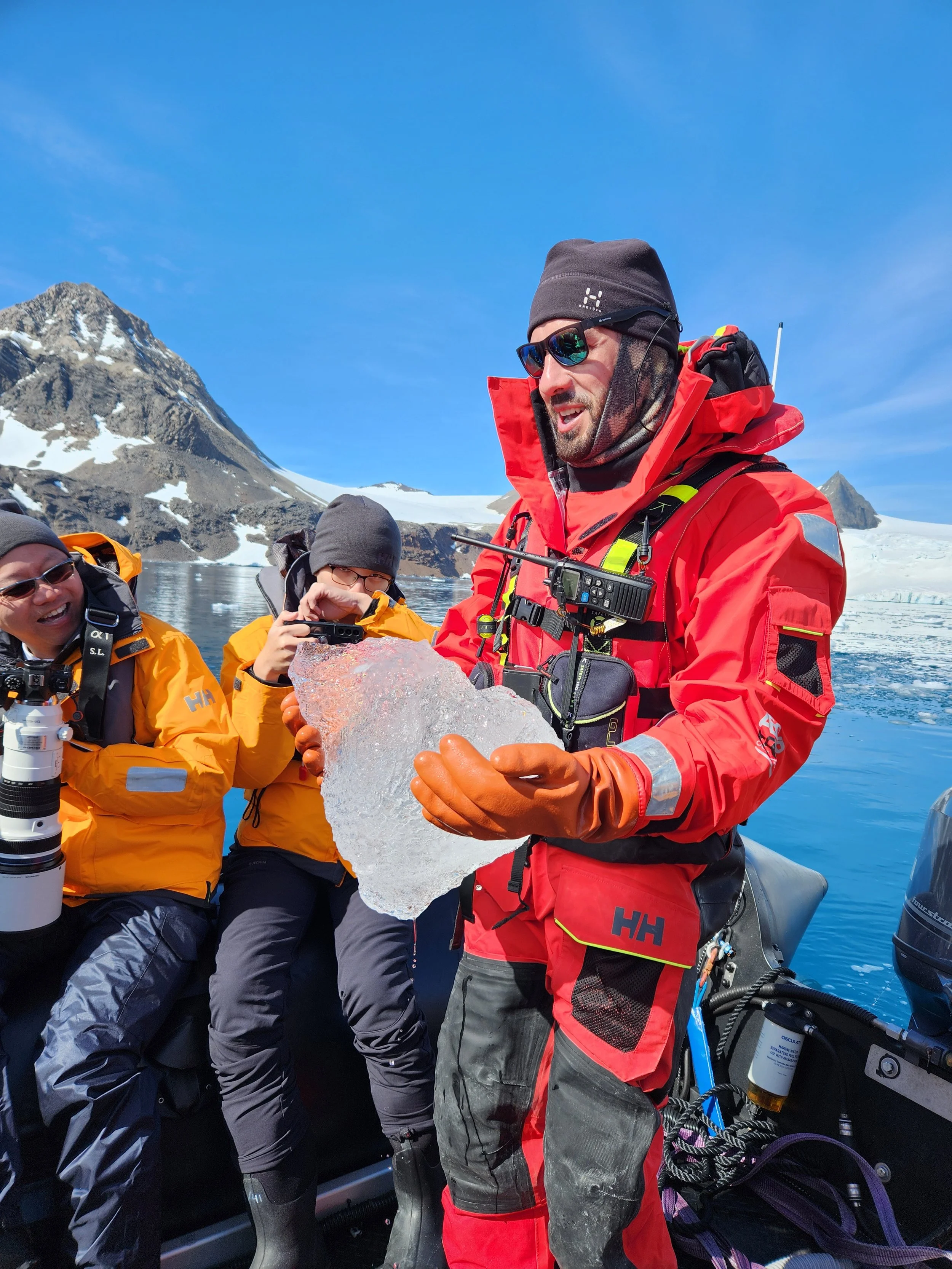
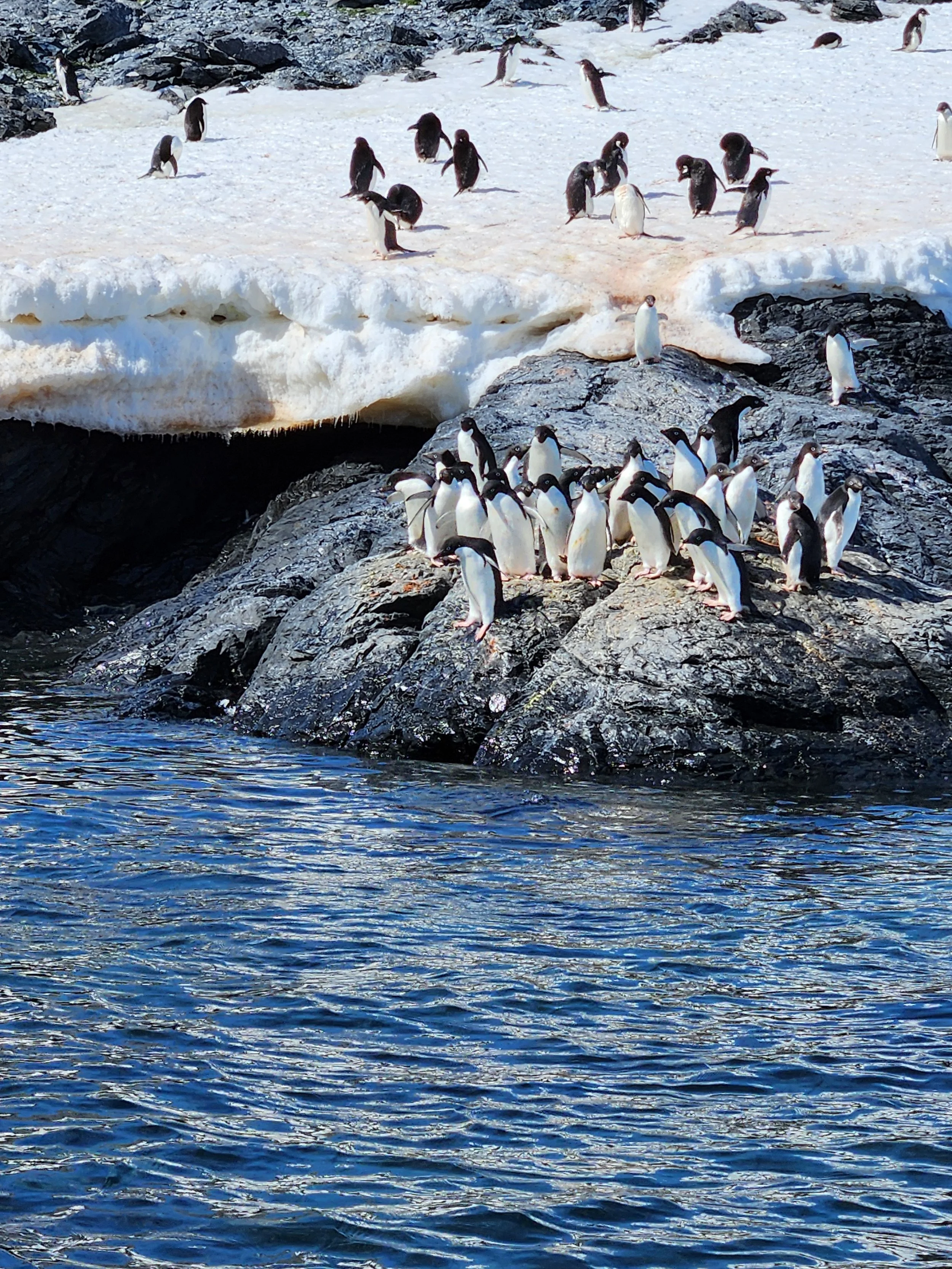
After a quick lunch back on the ship, we headed out again for a zodiac cruise around Hope Bay. Penguins jumped all around us—one even tried to jump into the boat—and we floated past chunks of crystal-clear glacier ice. The expedition guides even scooped up smaller pieces to bring back to the ship (supposedly for cocktails!).
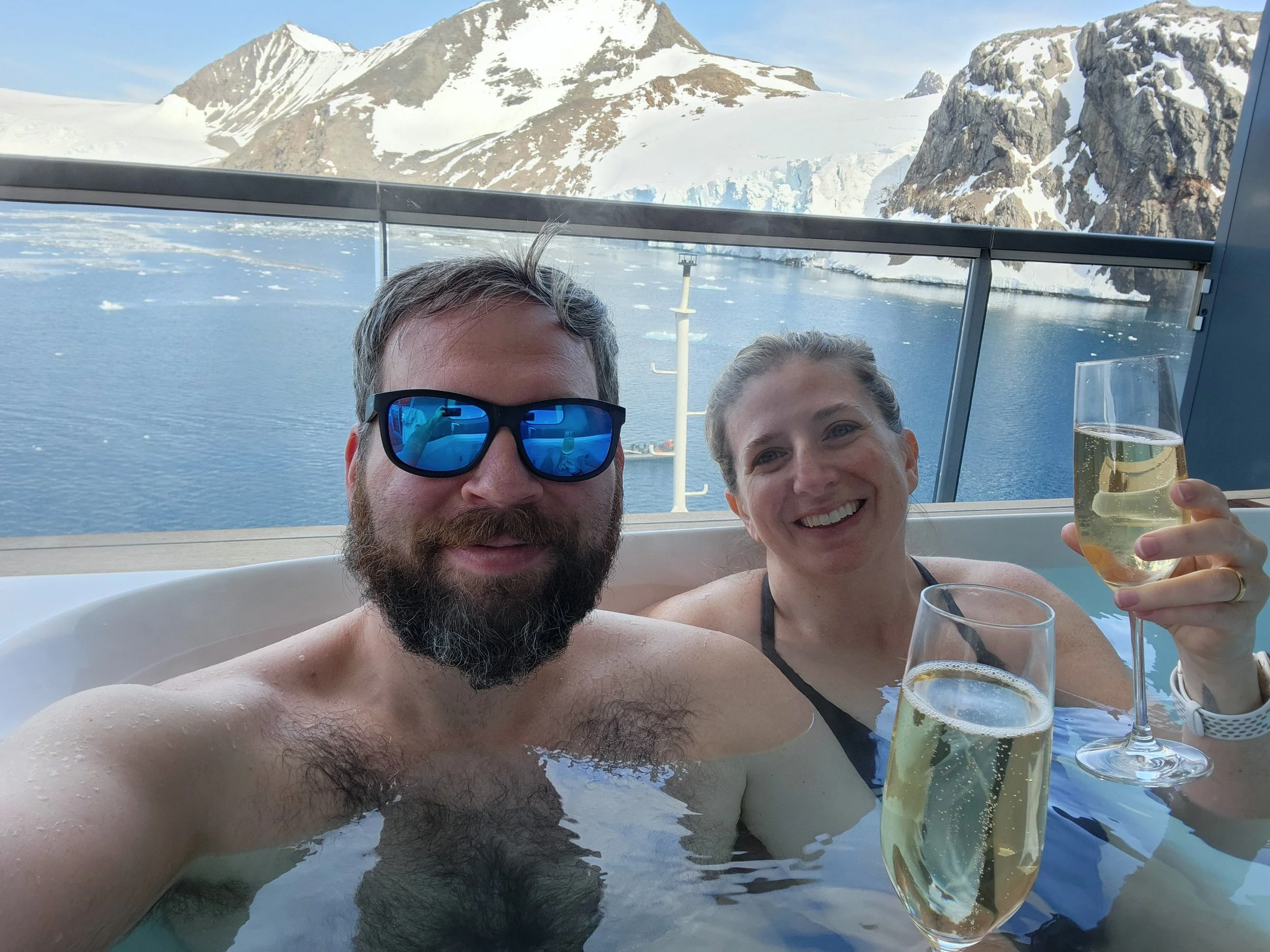
The day still wasn’t over. We relaxed in the hot tub with champagne while the ship repositioned, enjoying views of a nearby Argentinian research base before heading to our next landing.
Thousands of Penguins at Brown Bluff
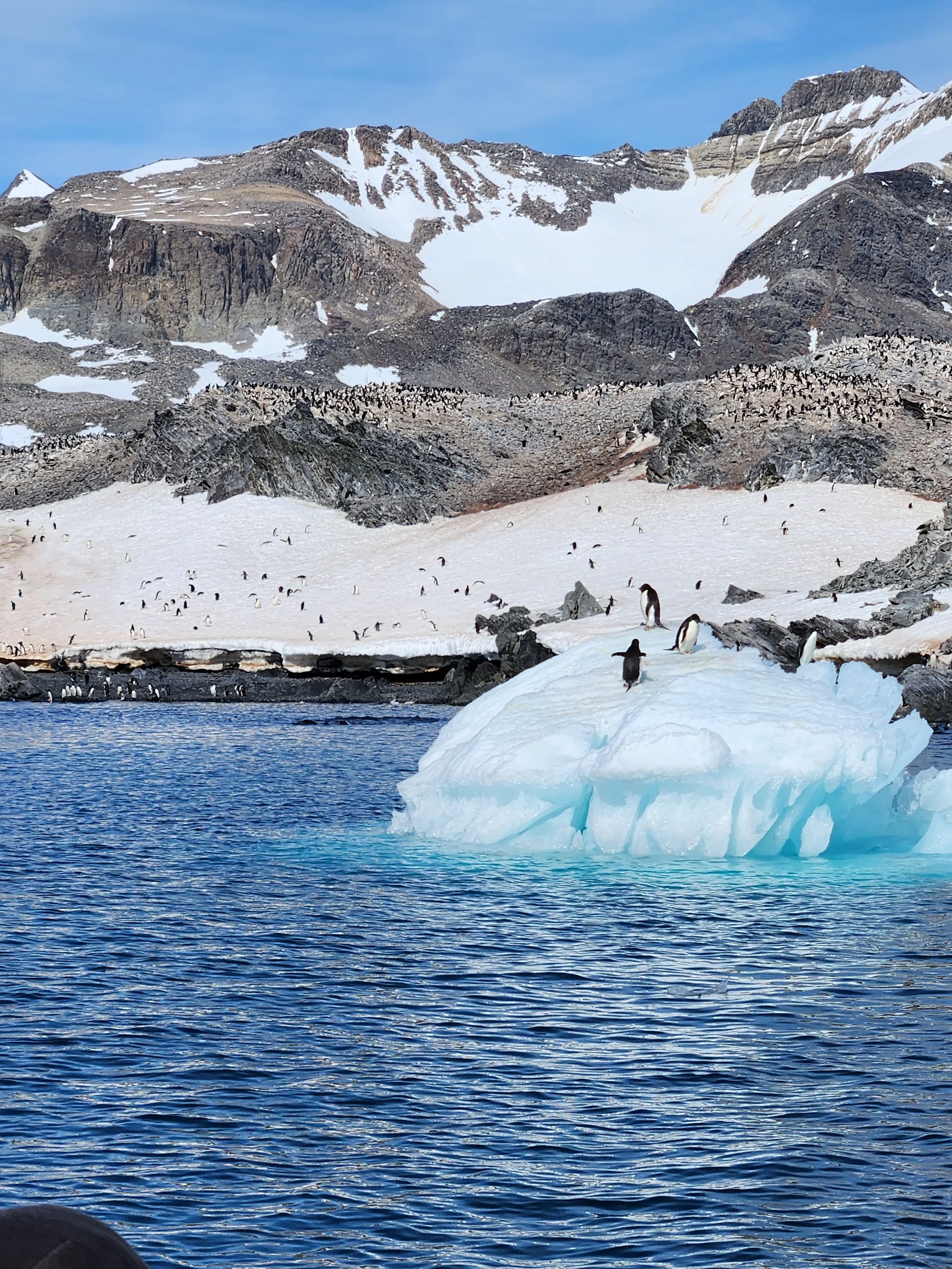
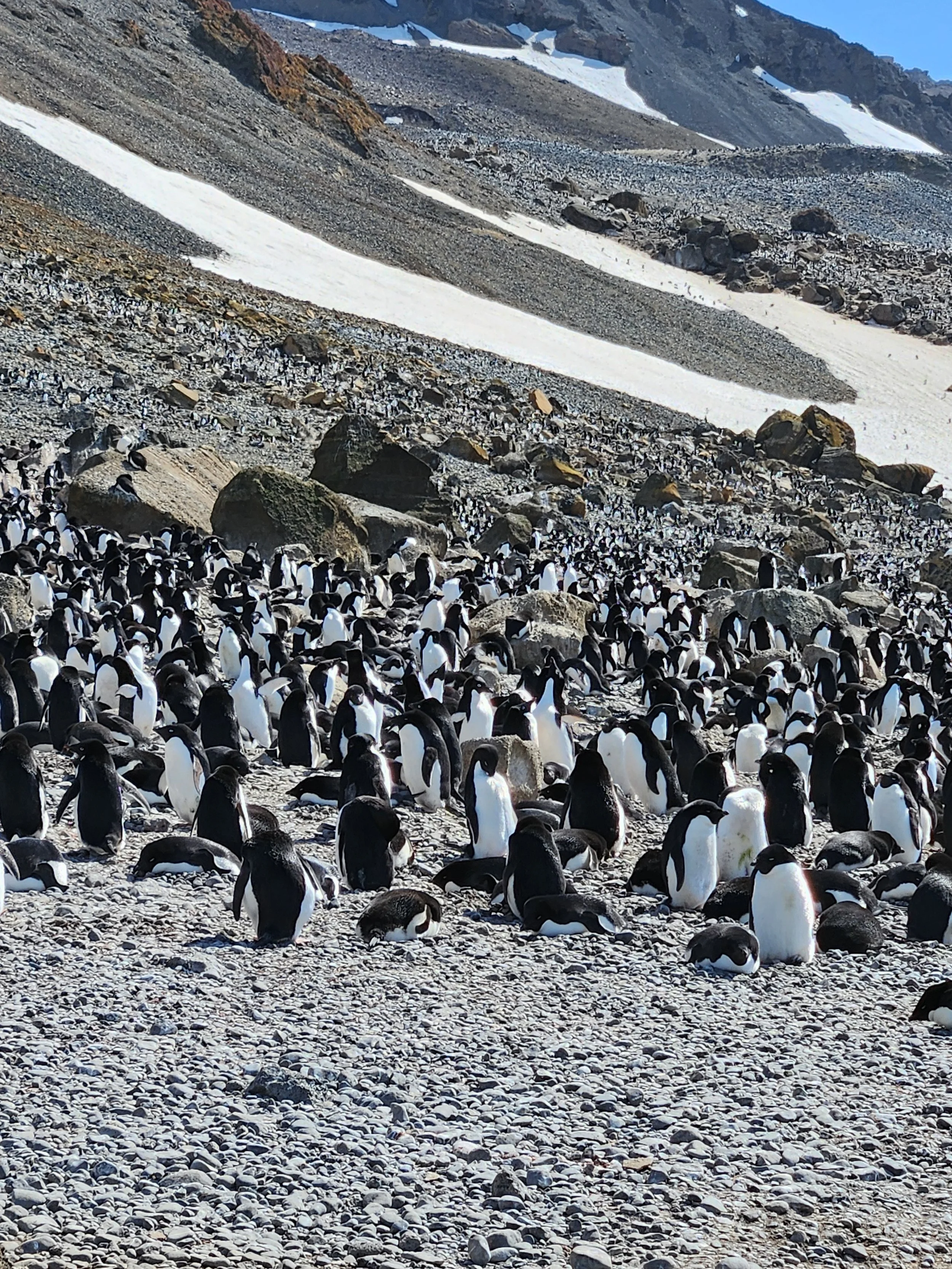
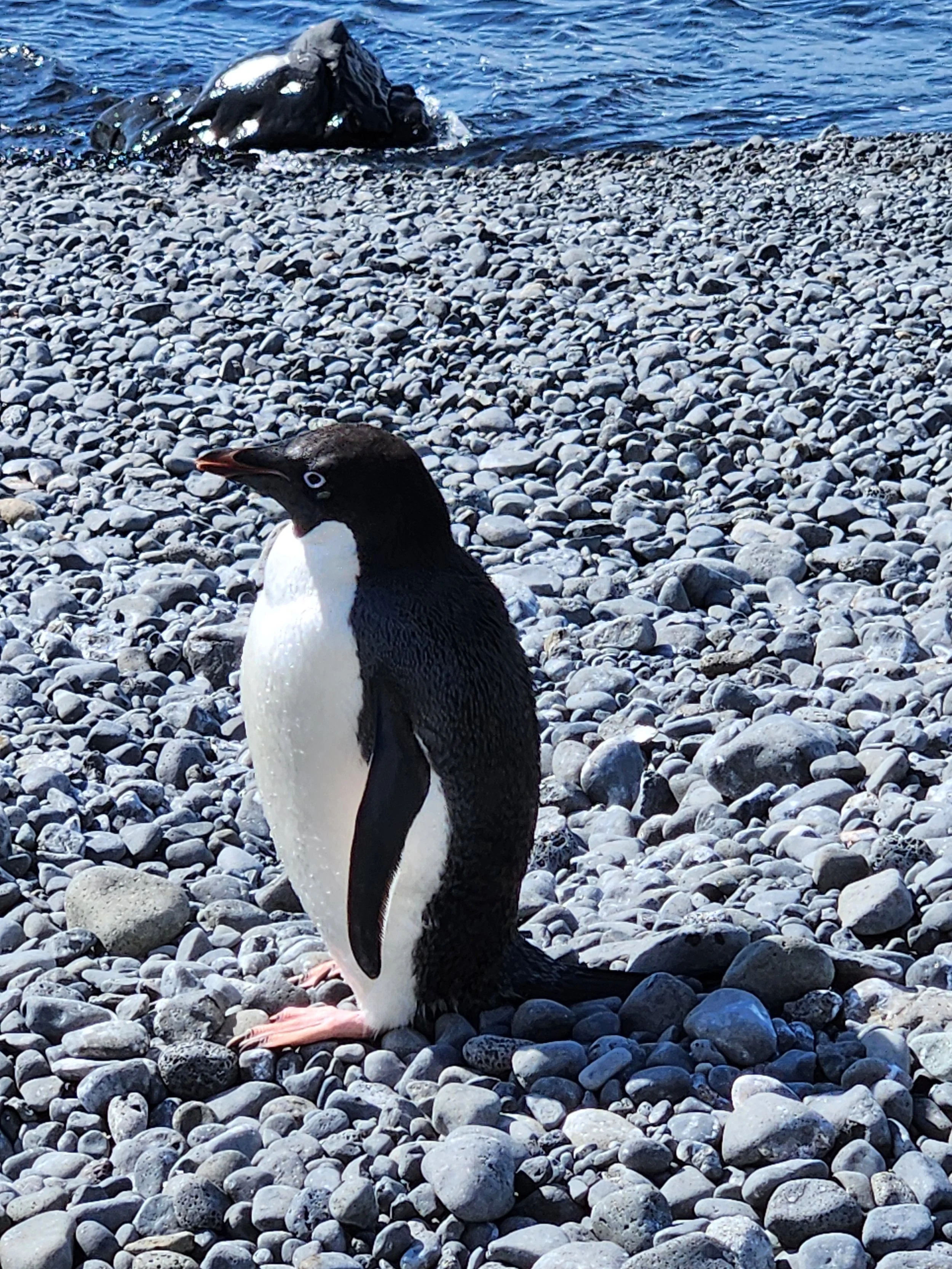
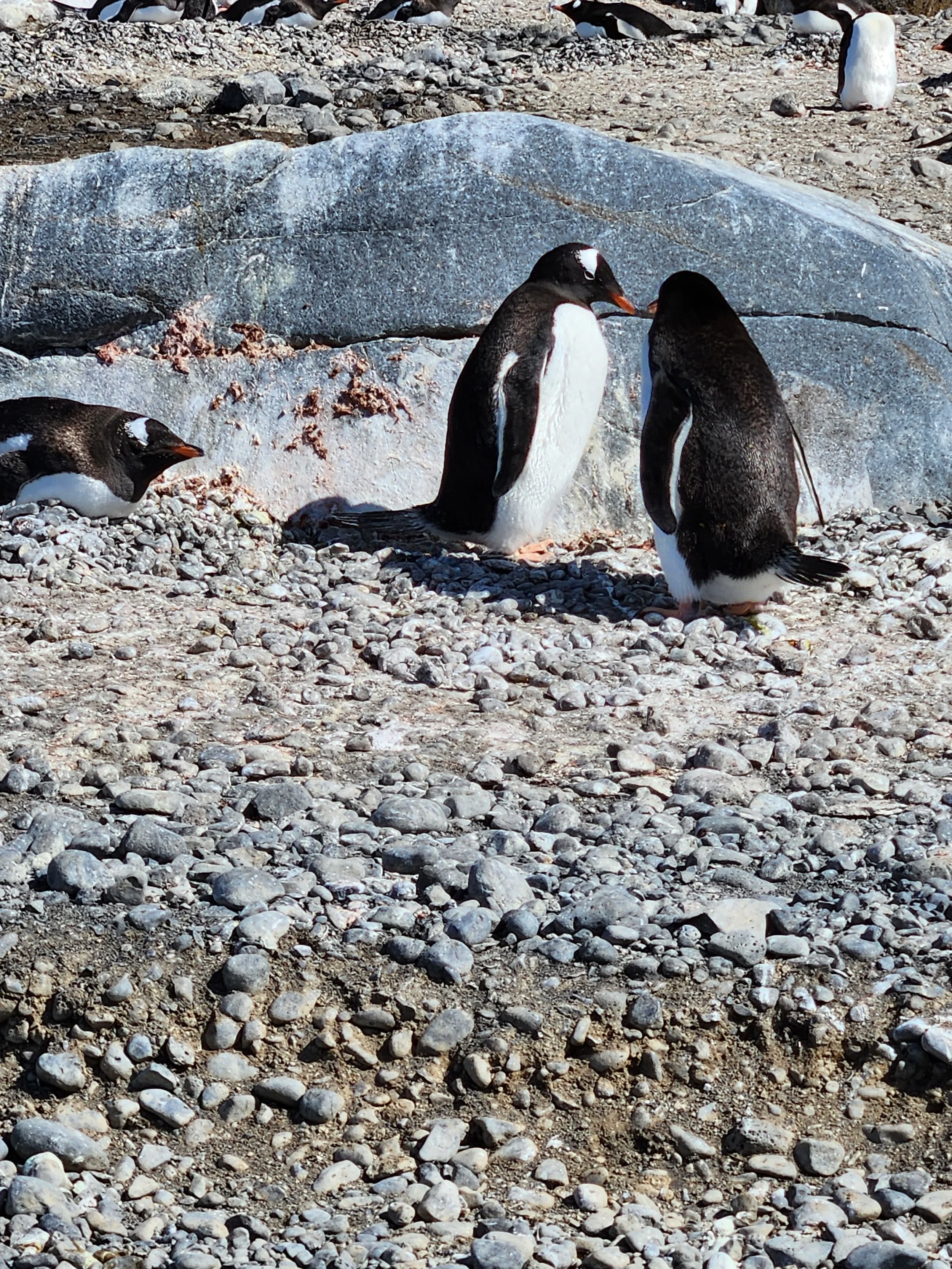
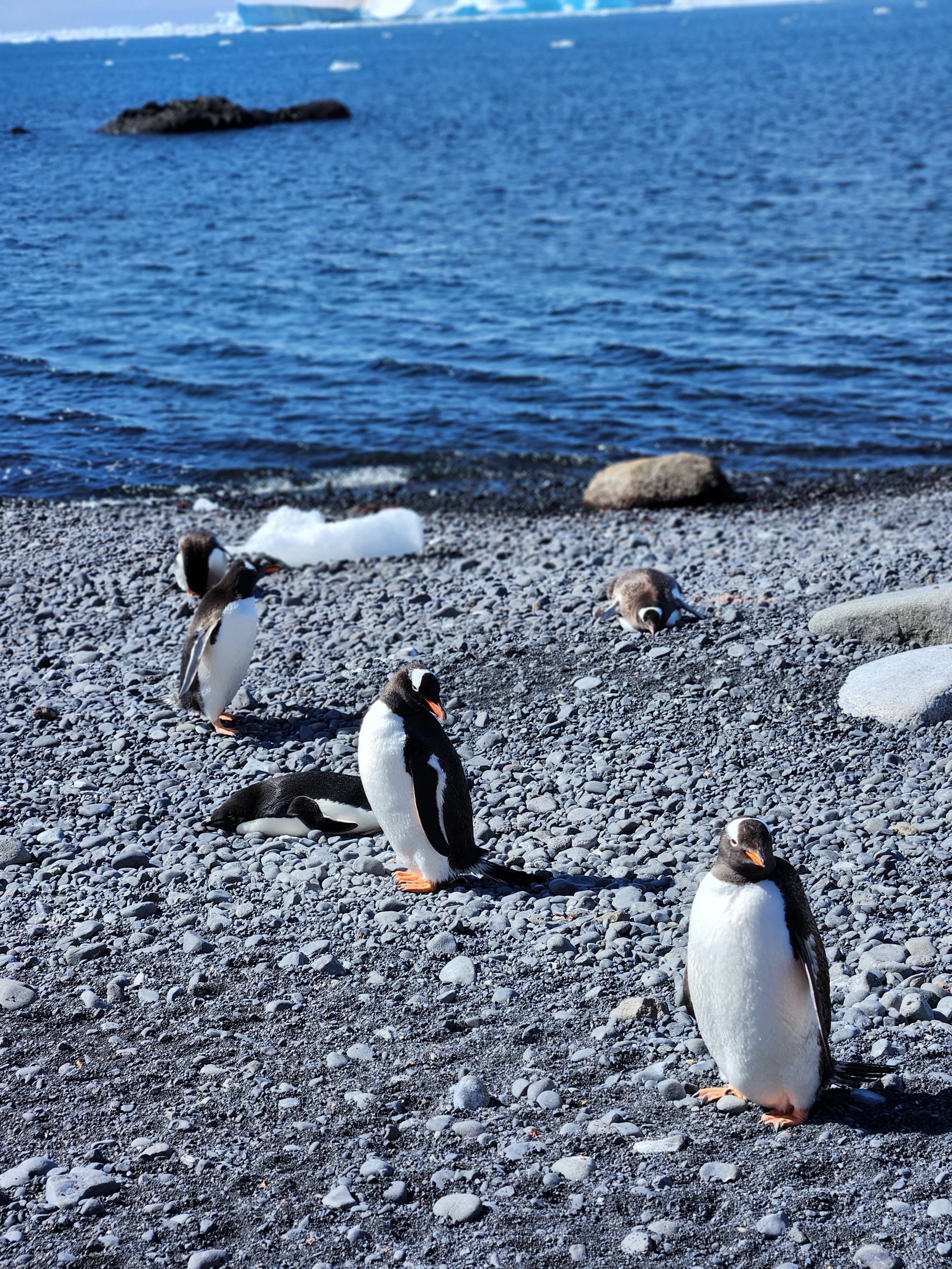
That afternoon, we arrived at Brown Bluff, home to one of the largest Adélie penguin colonies on the Antarctic Peninsula. And when we say thousands—we mean thousands. Penguins covered the landscape as far as the eye could see.
Because of efforts to prevent bird flu from reaching Antarctica, strict rules were in place: staying 15 feet away from penguins, no kneeling or sitting, and no placing gear on the ground (which means no tripods). Sometimes penguins walk right up to you anyway, and all you can do is step back and give them space.
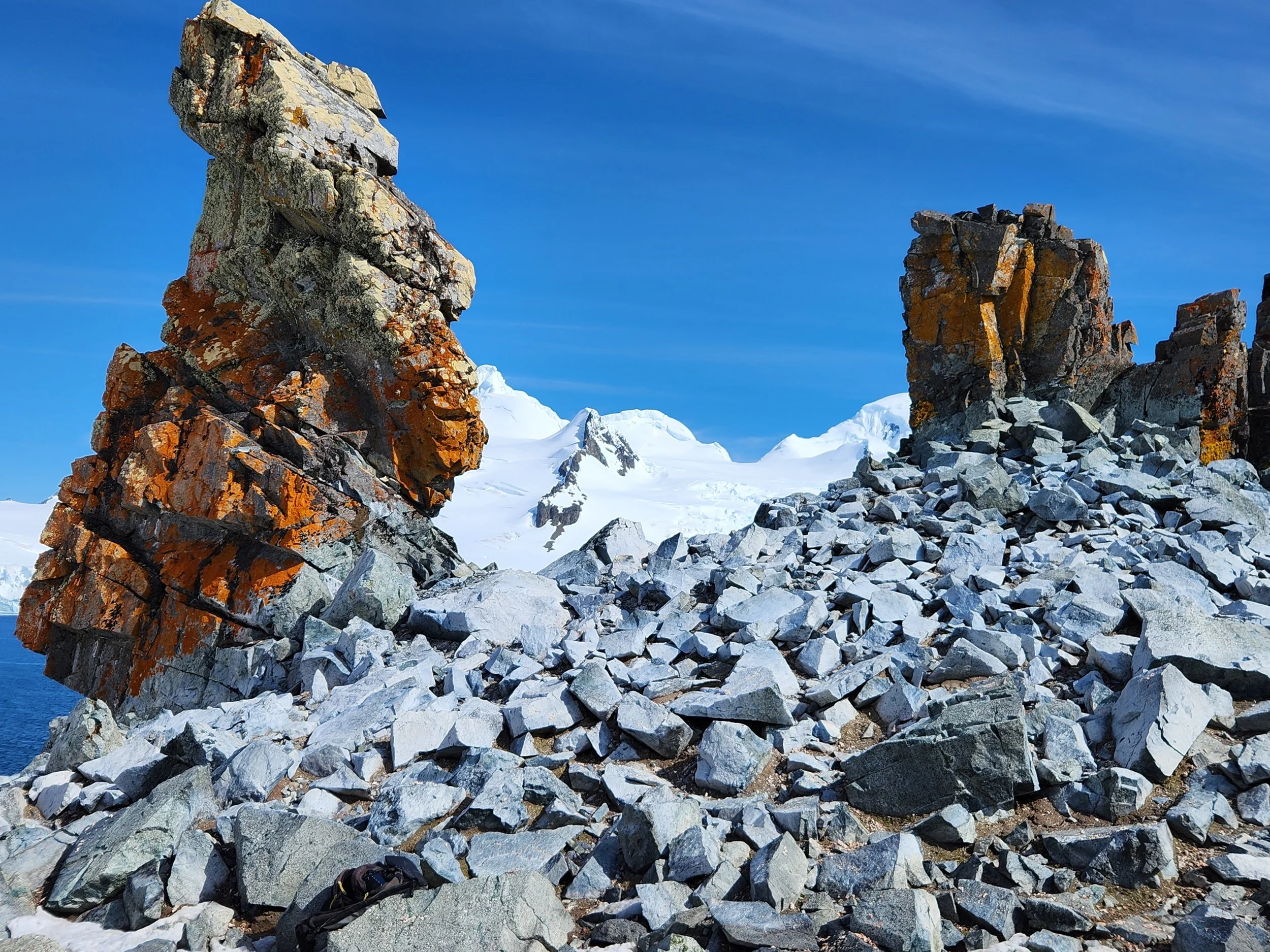
Brown Bluff itself is also a geological wonder. While we aren’t geologists, members of our expedition team were absolutely thrilled by the rock formations and history of the area.
We wrapped up just in time as ice began moving in quickly—another reminder that plans in Antarctica can change at any moment.
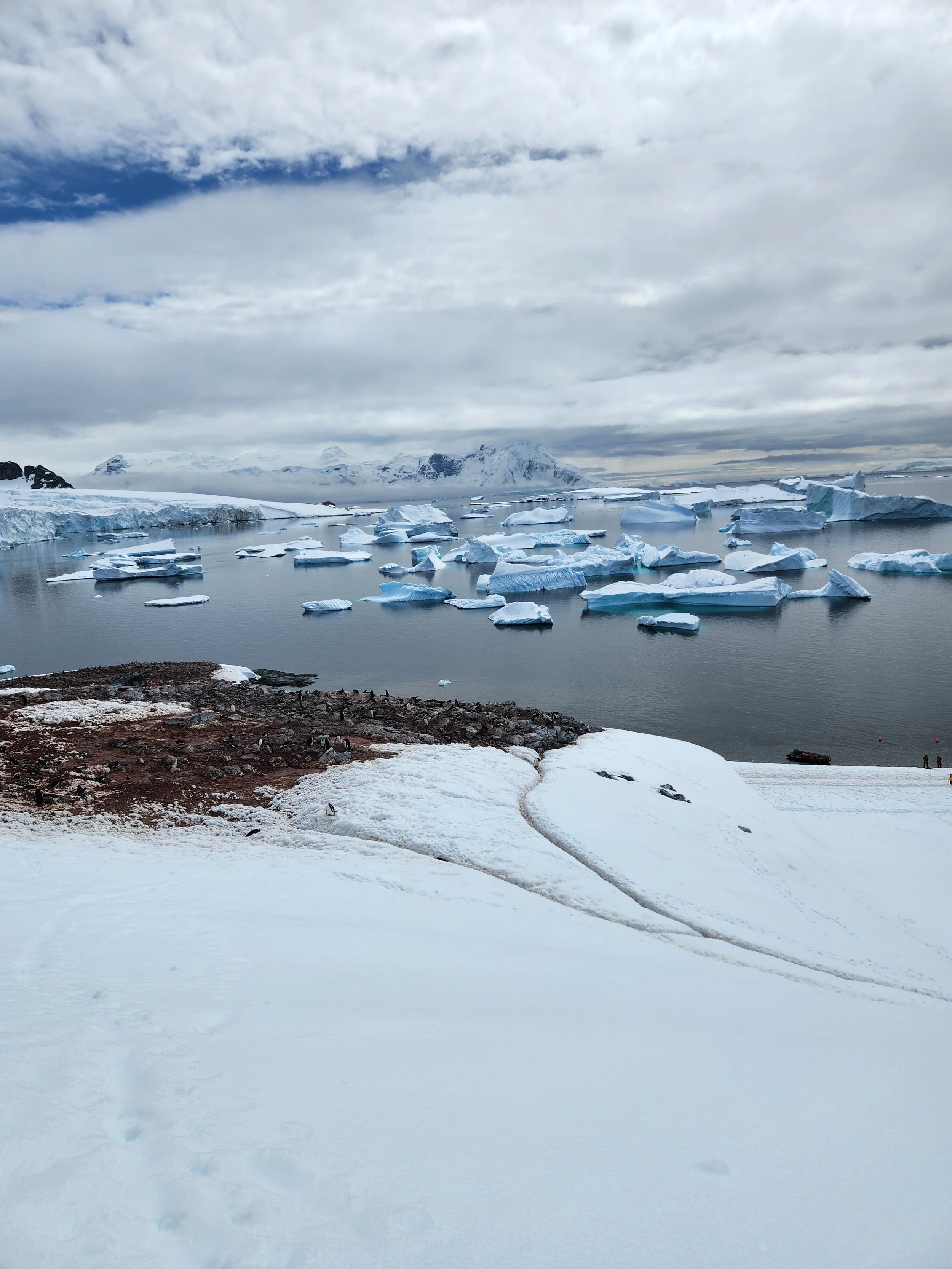
Iceberg Graveyard & Penguin Highways at Cuverville Island
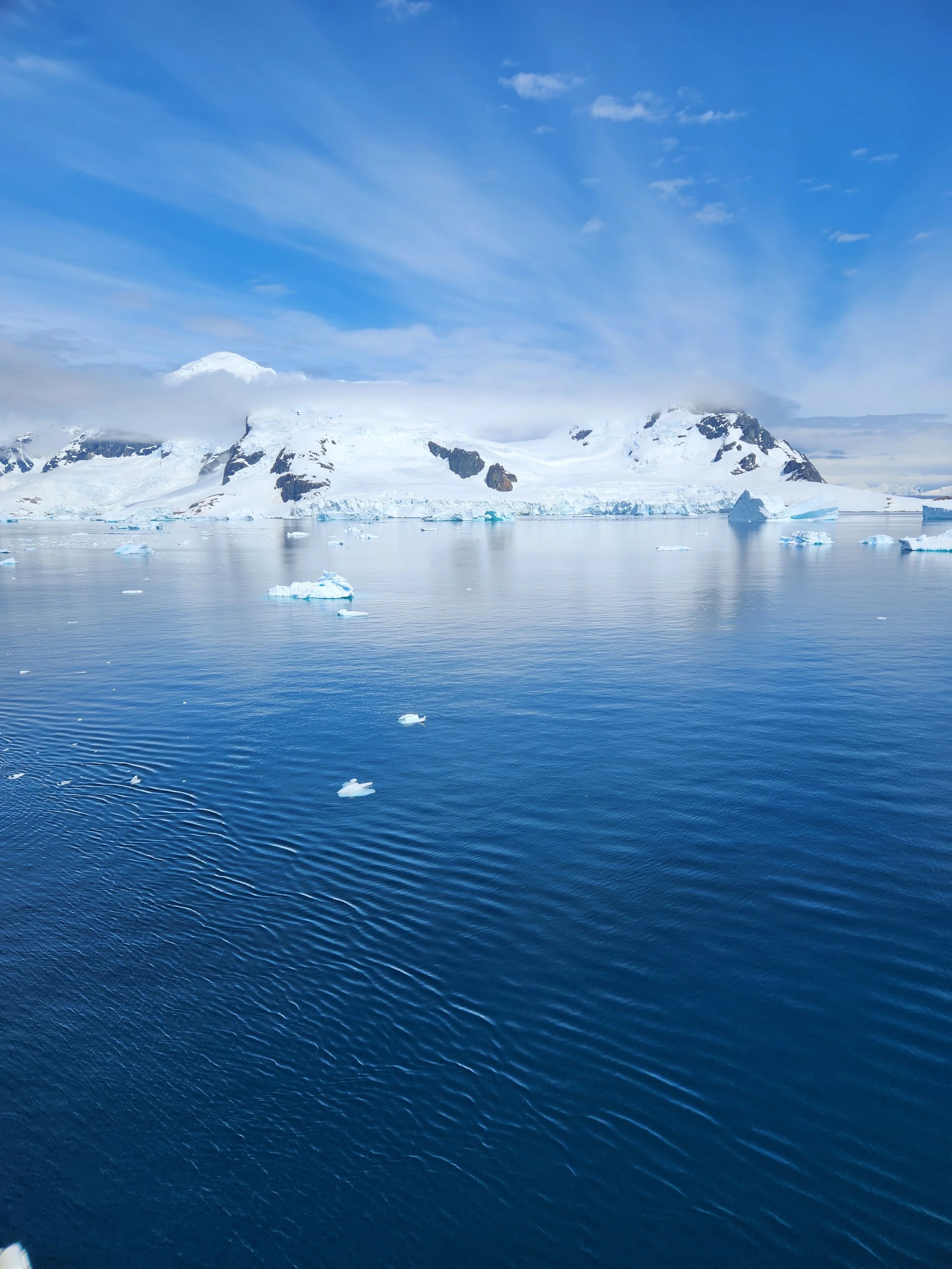
Originally, our expedition team hoped to visit the Weddell Sea, but heavy ice forced a change in plans. Instead, we traveled overnight to Cuverville Island, known for its incredible iceberg graveyard.
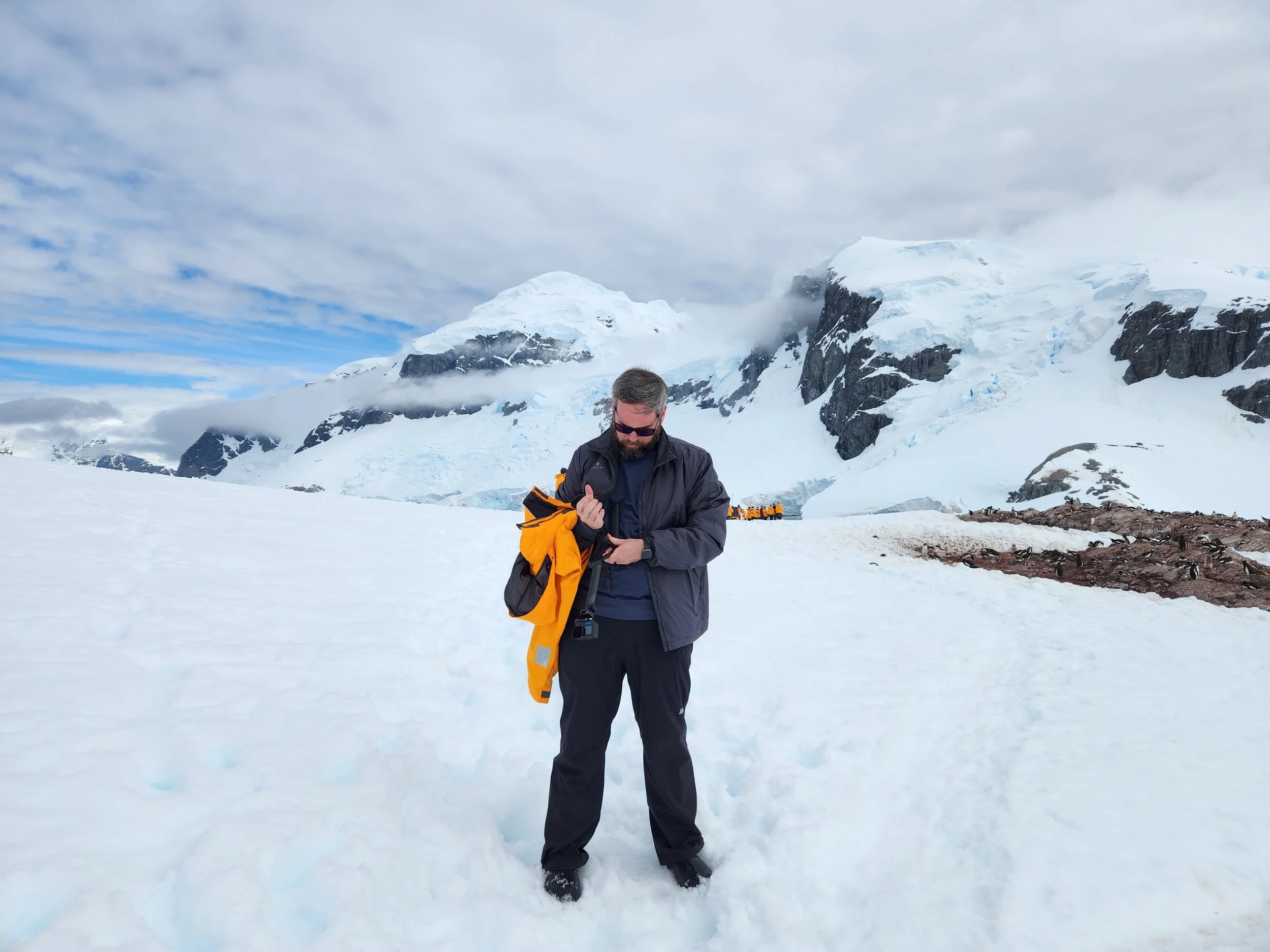
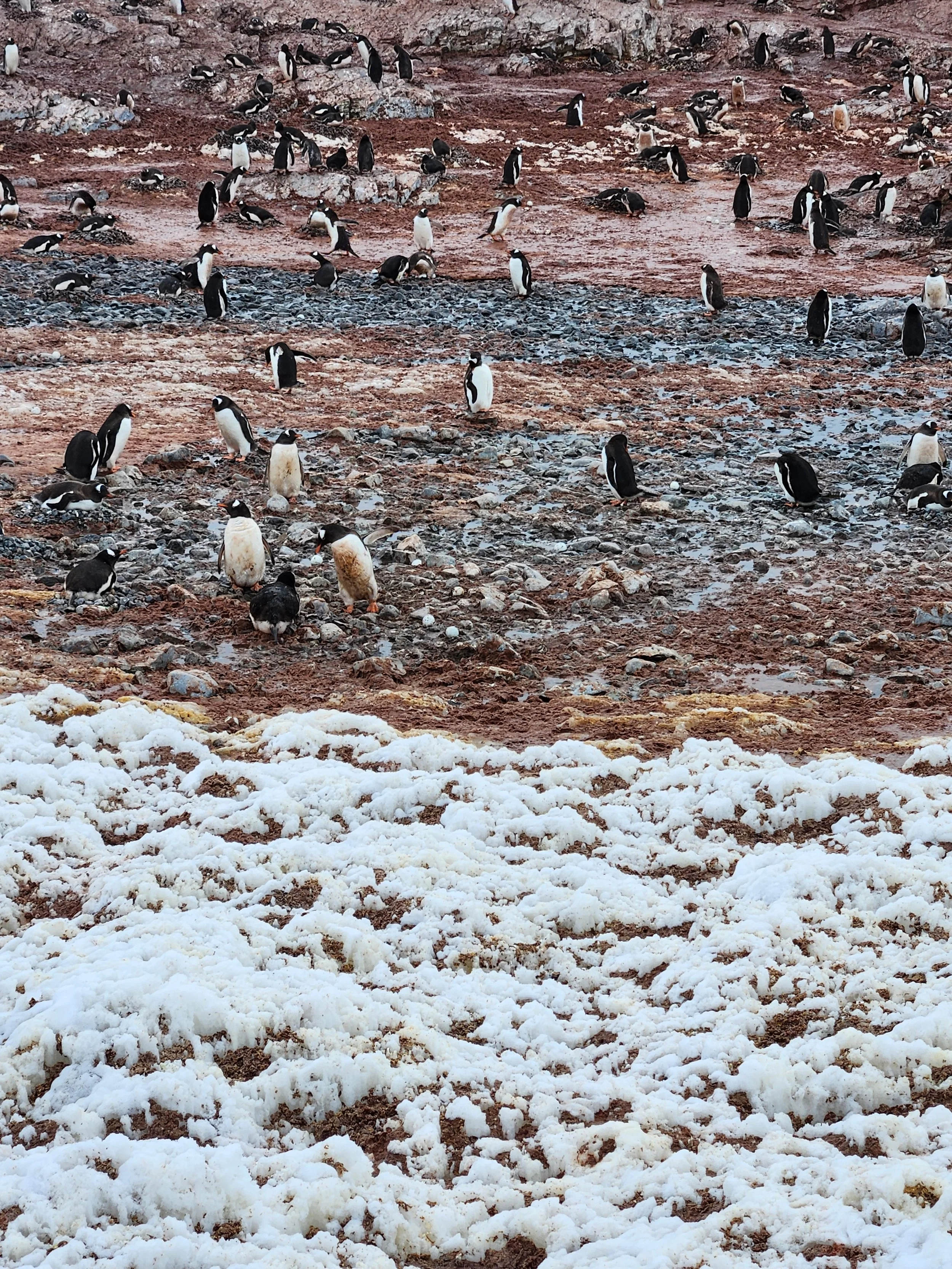
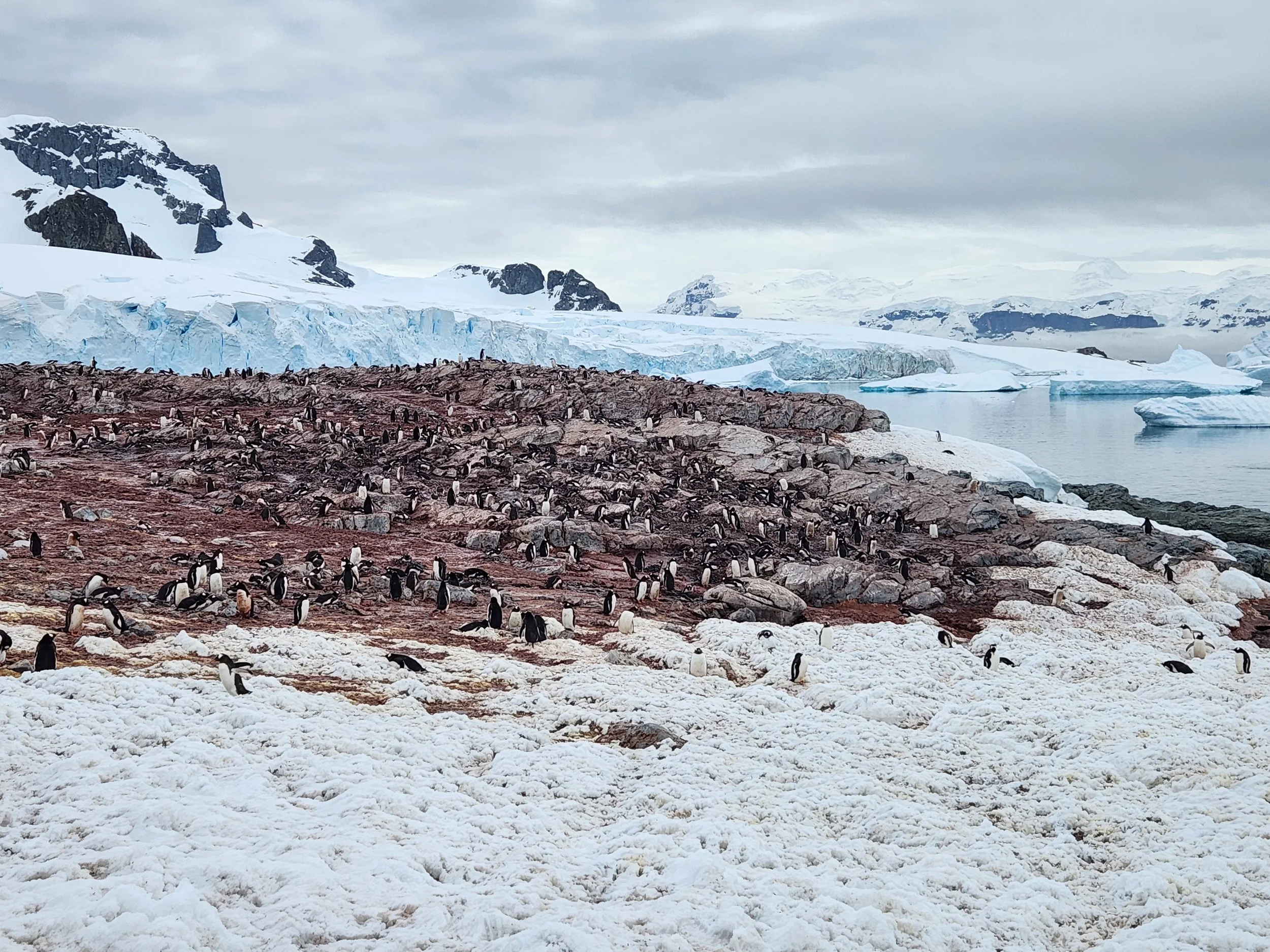
To reach the best views, we hiked up a steep hill through about a foot of snow—our first real encounter with what’s known as penguin mud (aka penguin poop). The smell is… unforgettable. By the time we reached the top, we were sweaty, tired, and very ready for fresh air—but the views were worth it.
At the top, we even witnessed an avalanche, which was equal parts exciting and intimidating. Heading back down was easier (and involved a few slips and slides), and we encountered traffic jams as penguins crossed their well-worn “penguin highways.”
Whales, Orcas, and an Unforgettable First Few Days
As if the day couldn’t get any better, we spotted humpback whales back near the ship—tails and feeding behavior included. Minutes later, we were notified that orcas were swimming right off the bow.
It felt like we had already seen everything we came to Antarctica for in just the first three days. And somehow, this was only the beginning.