
Exploring Kanazawa, Japan: Samurai Houses, Stunning Gardens, and Local Delights
Welcome back, fellow travelers! Our journey through Japan continues as we explore Kanazawa, a city rich in history, culture, and culinary delights. From one of Japan’s top gardens to the historic Samurai District and Kanazawa Castle, this city offers a perfect blend of tradition and modern charm. Here’s a detailed look at our Kanazawa adventure.
Traveling from Tokyo to Kanazawa
The easiest way to reach Kanazawa from Tokyo is by Shinkansen, the famous Japanese bullet train. Capable of speeds up to 160 mph, the trip takes just about two and a half hours. We used the Hokuriku Arch Pass for our journey, which made traveling smooth once we got the hang of the system.
Tip: Japanese train stations can be huge and confusing. Give yourself extra time to navigate and be sure to pronounce your destination correctly. Saying “Canzana” instead of Kanazawa, as I did, caused quite a bit of confusion!
Once we got on the non-reserved Shinkansen, the comfortable seats allowed us to relax and even do a little video editing while enjoying our bento boxes—a staple of Japanese train travel.
Kanazawa Station and Tsuzumi Gate
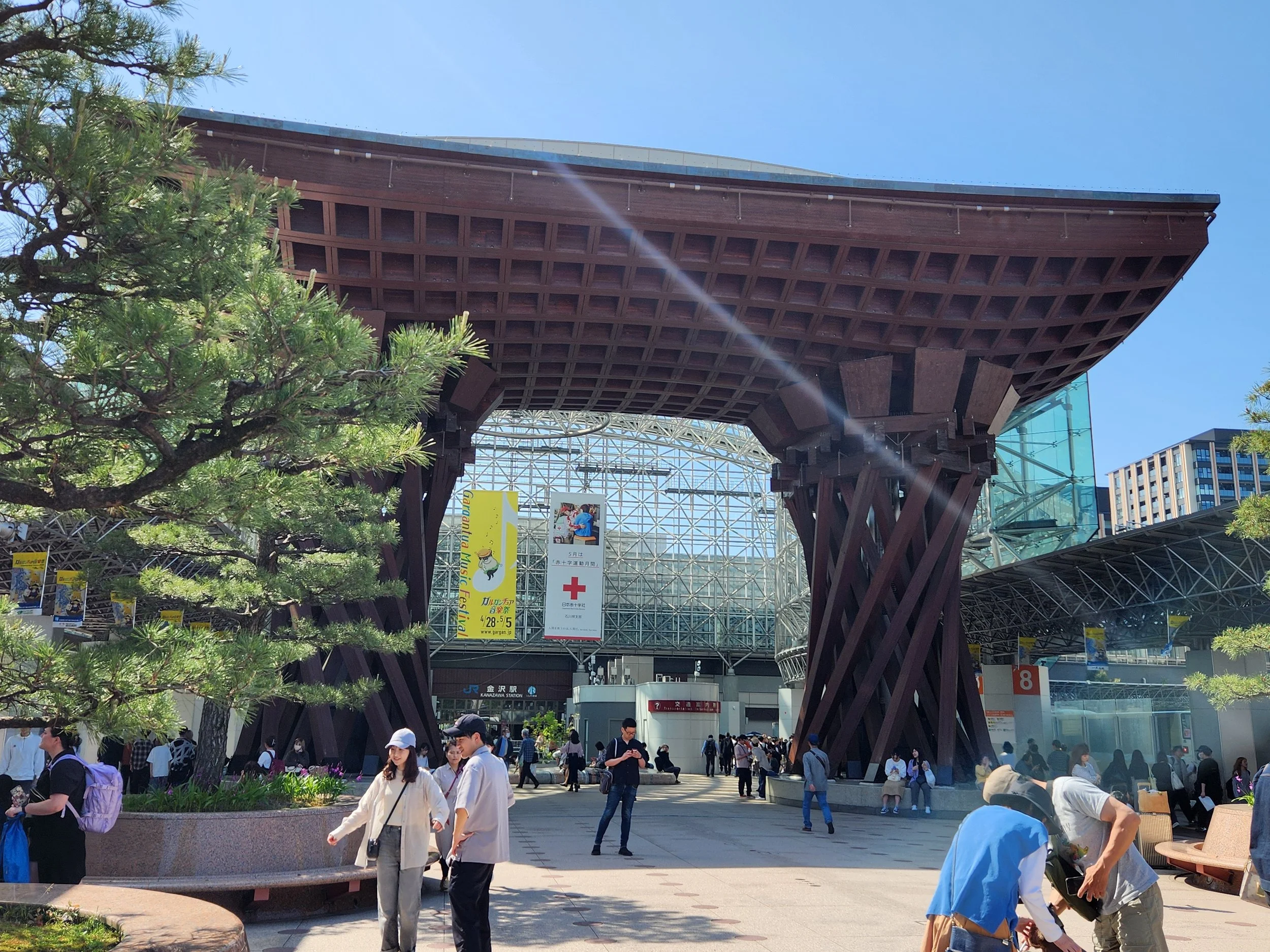
Upon arrival, Kanazawa Station immediately impresses with its striking architecture. The Tsuzumi Gate, modeled after traditional Japanese drums, is now an iconic symbol of the city.
We checked into the ANA Crowne Plaza, conveniently located next to the station. After settling in, we ventured out in search of local craft beer at Oriental Brewing, where we enjoyed their cozy atmosphere and a delicious chicken teriyaki pizza—perfect as a prelude to our first ramen experience in Japan.
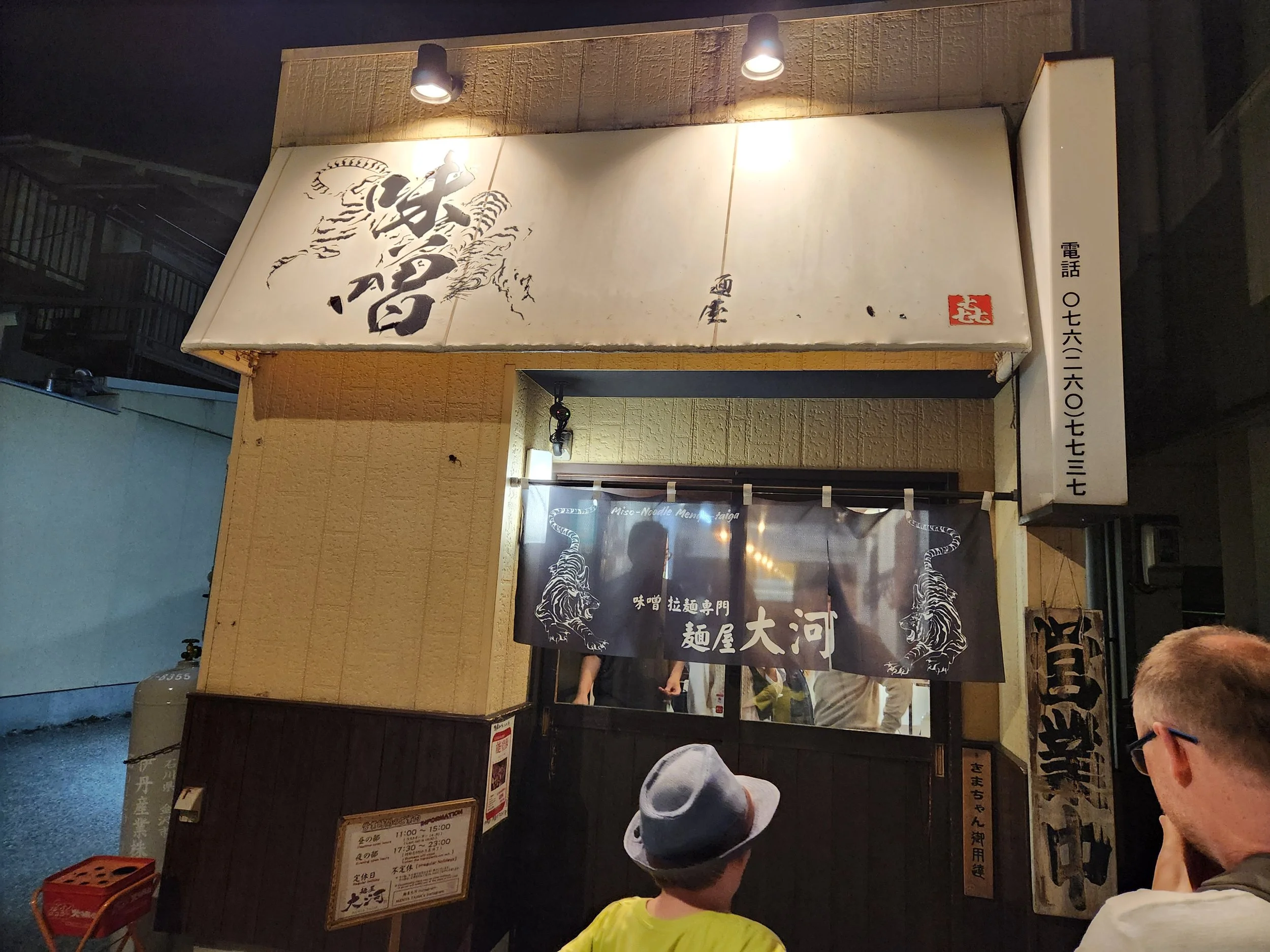
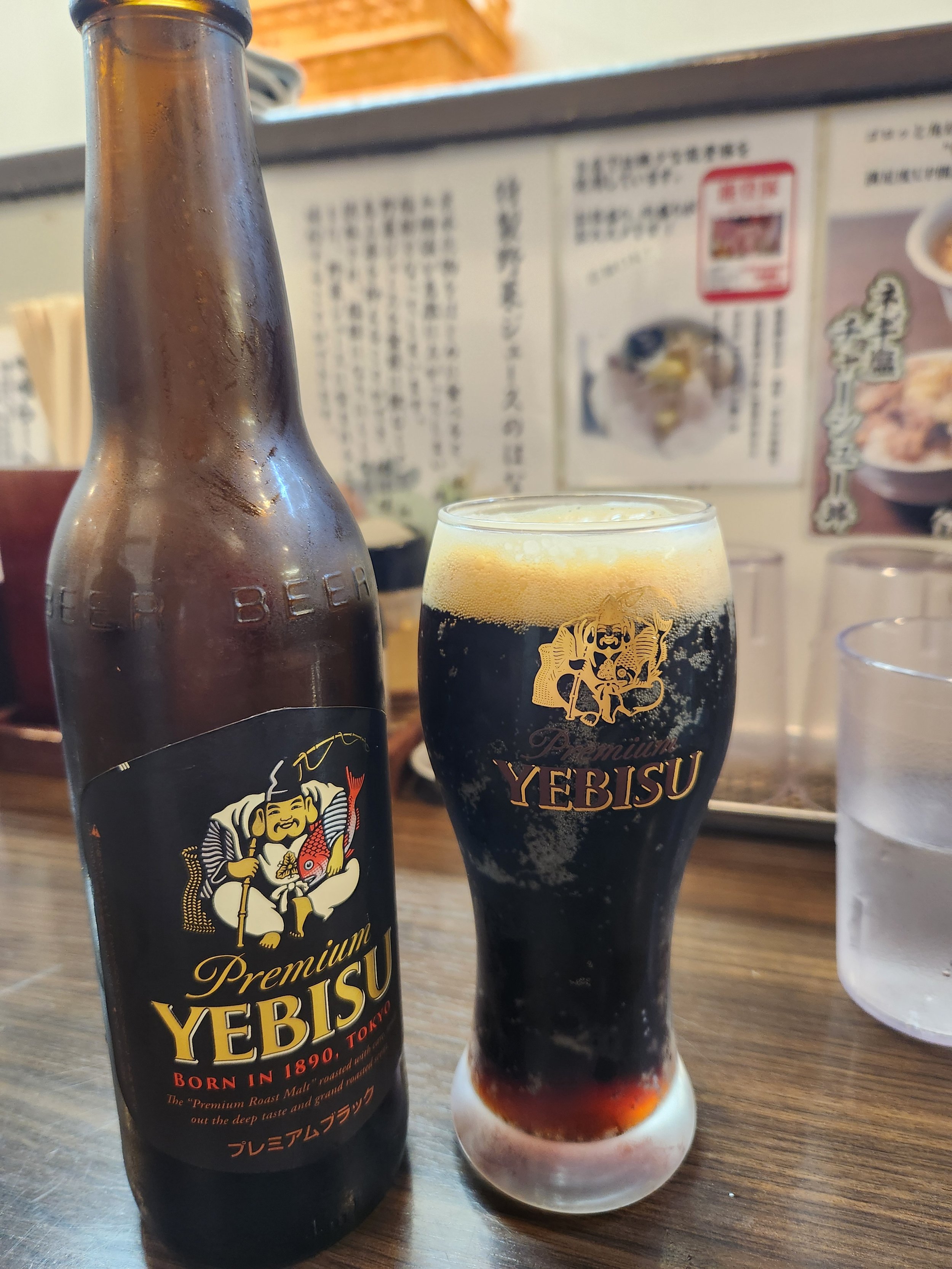
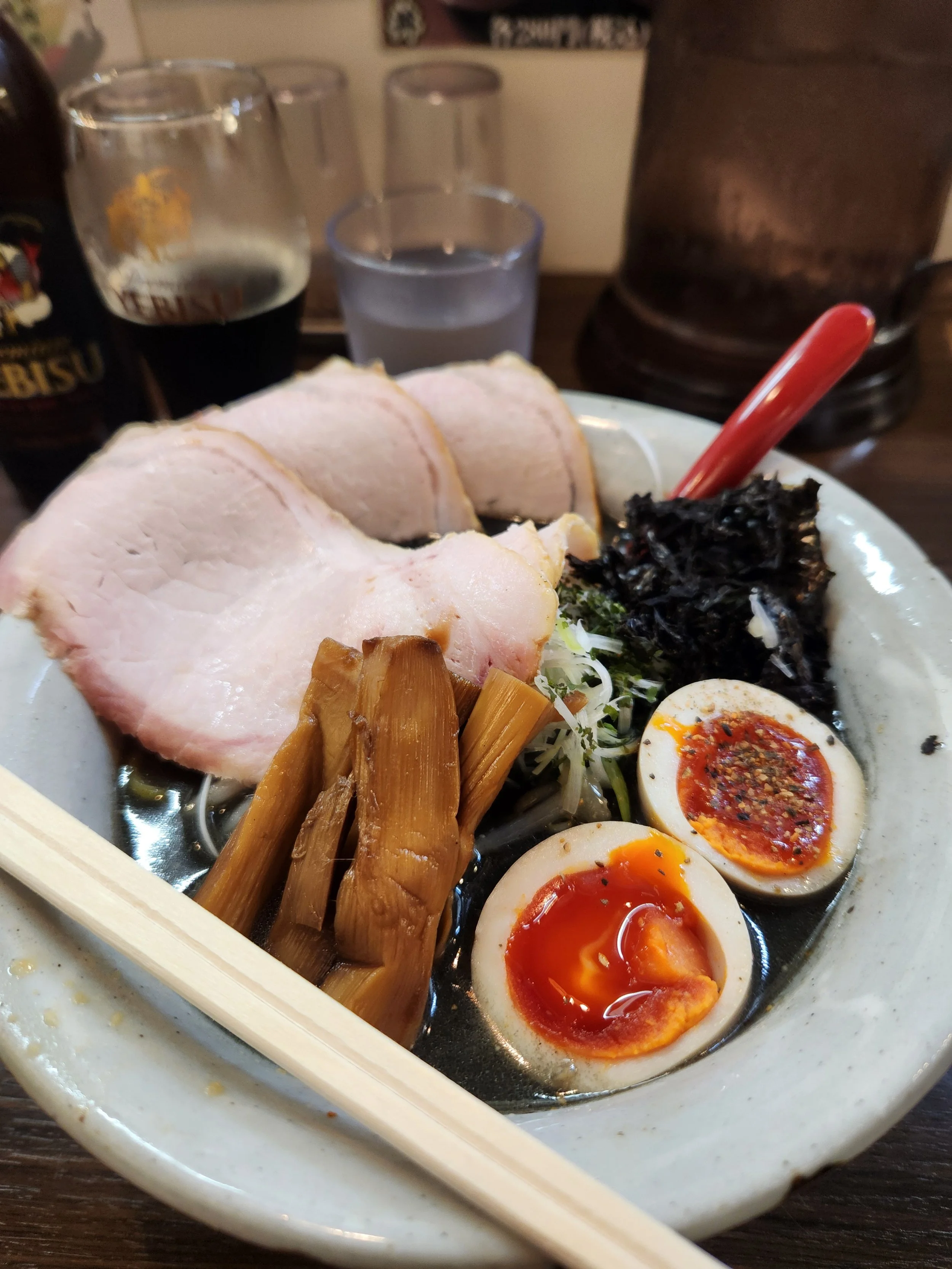
Ramen Taiga ended up being the best ramen we had during our entire Japan trip. The menu is only 3 different types of ramen- I got the squid ink. It was messy but 100% worth it and paired excellent with the beer. We did have to wait in a line for about 45 minutes.



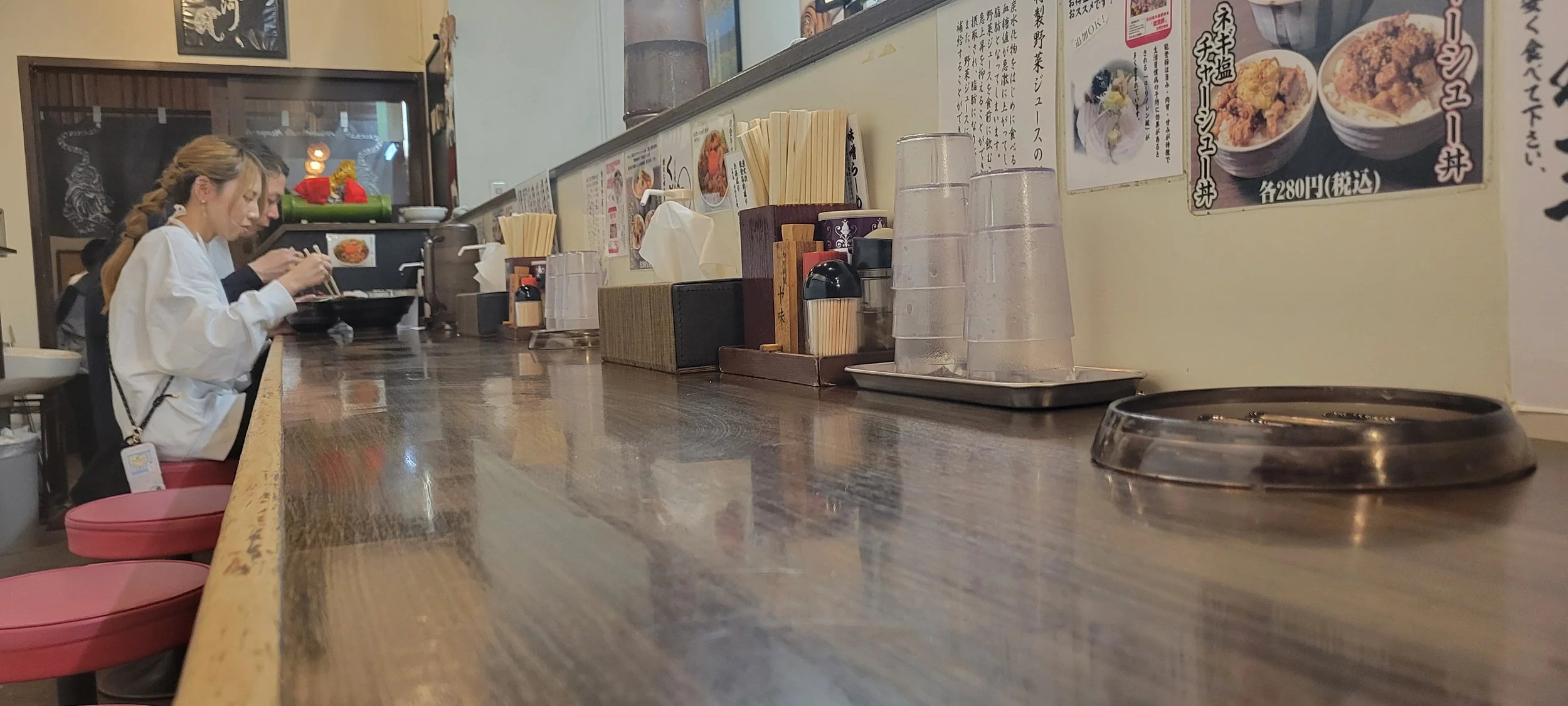
Culinary Adventures: Ramen, Markets, and Local Beer
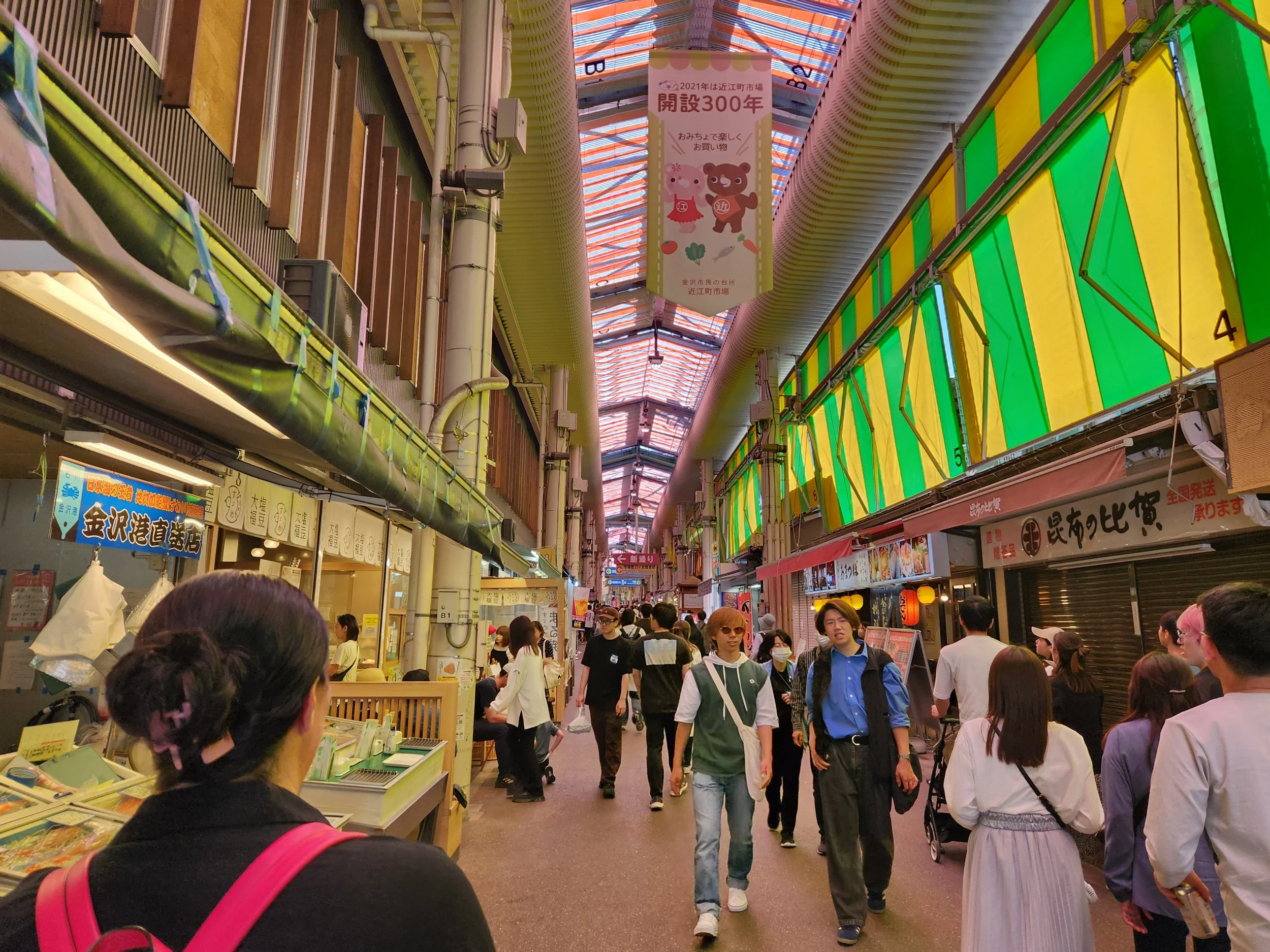
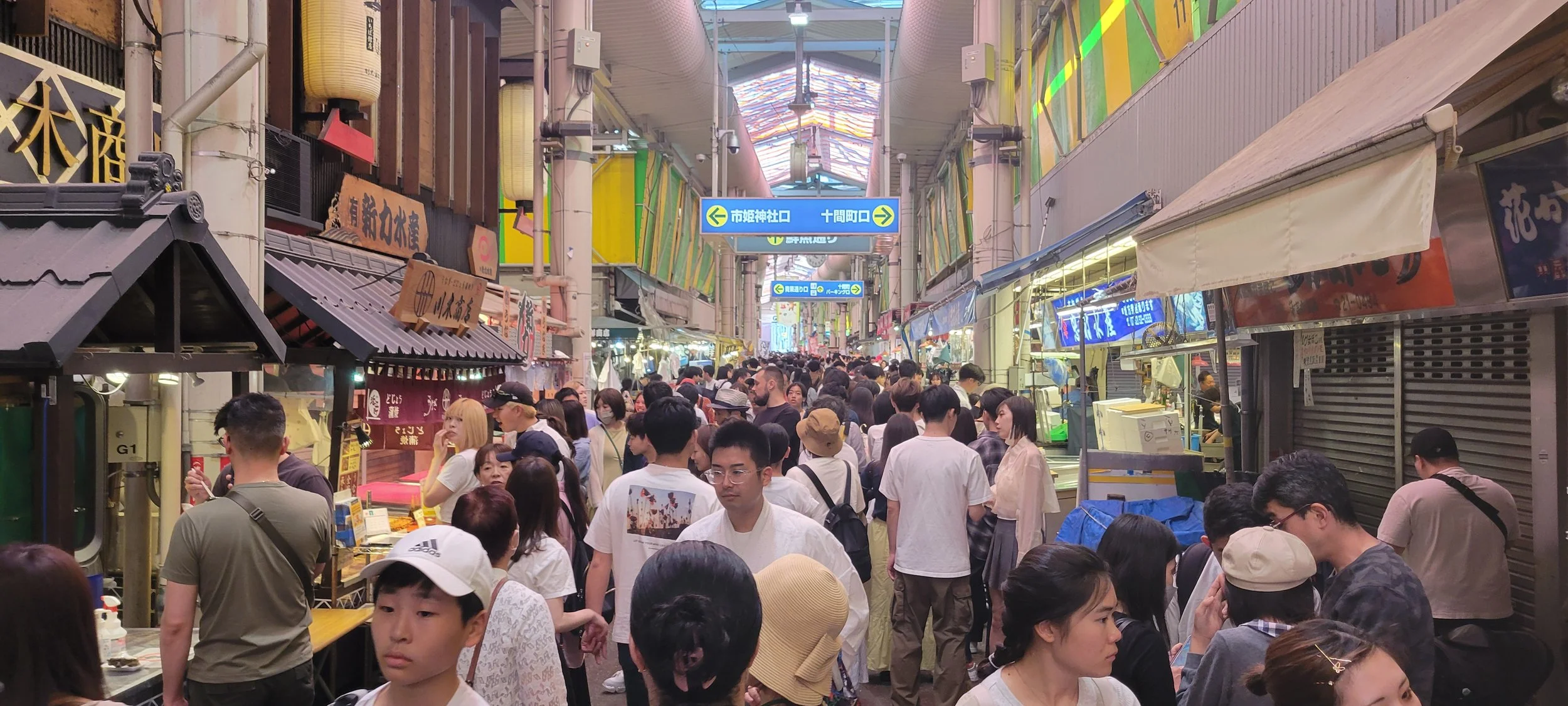
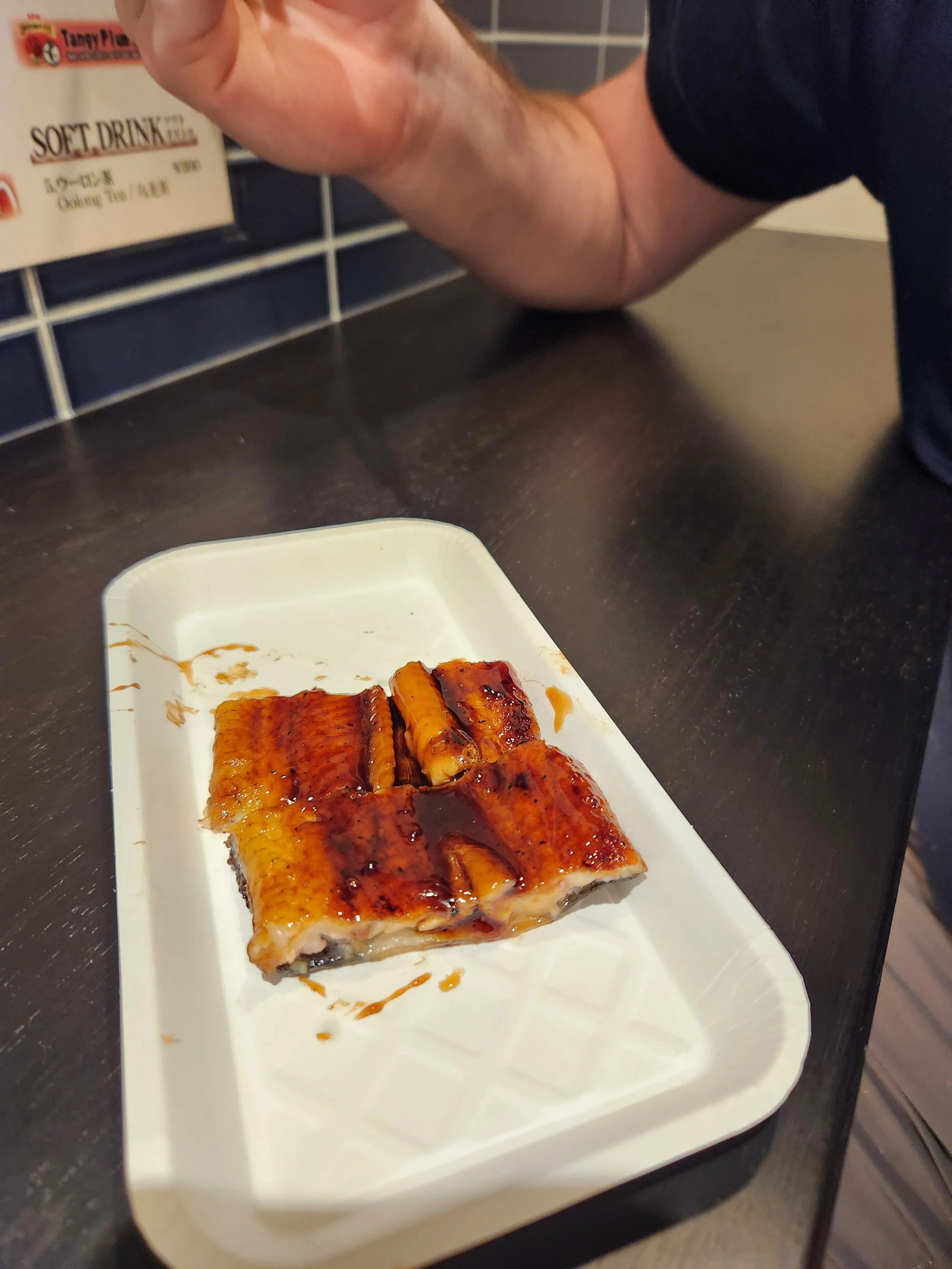
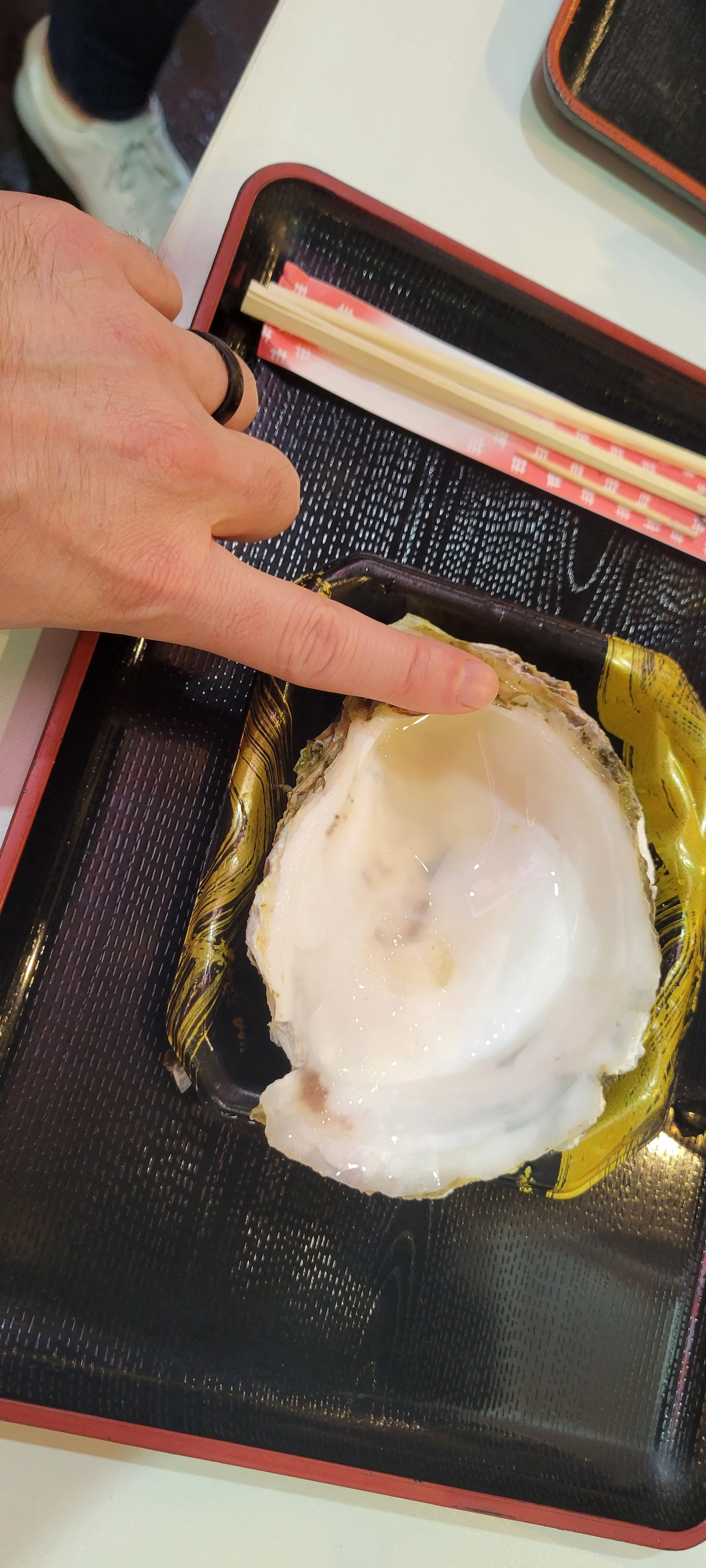
Kanazawa is a paradise for food lovers. We started our next day at Omicho Market, the city’s largest fresh food market since the Edo period. With over 200 shops, the market offers everything from fresh seafood and produce to kitchen tools and souvenirs.
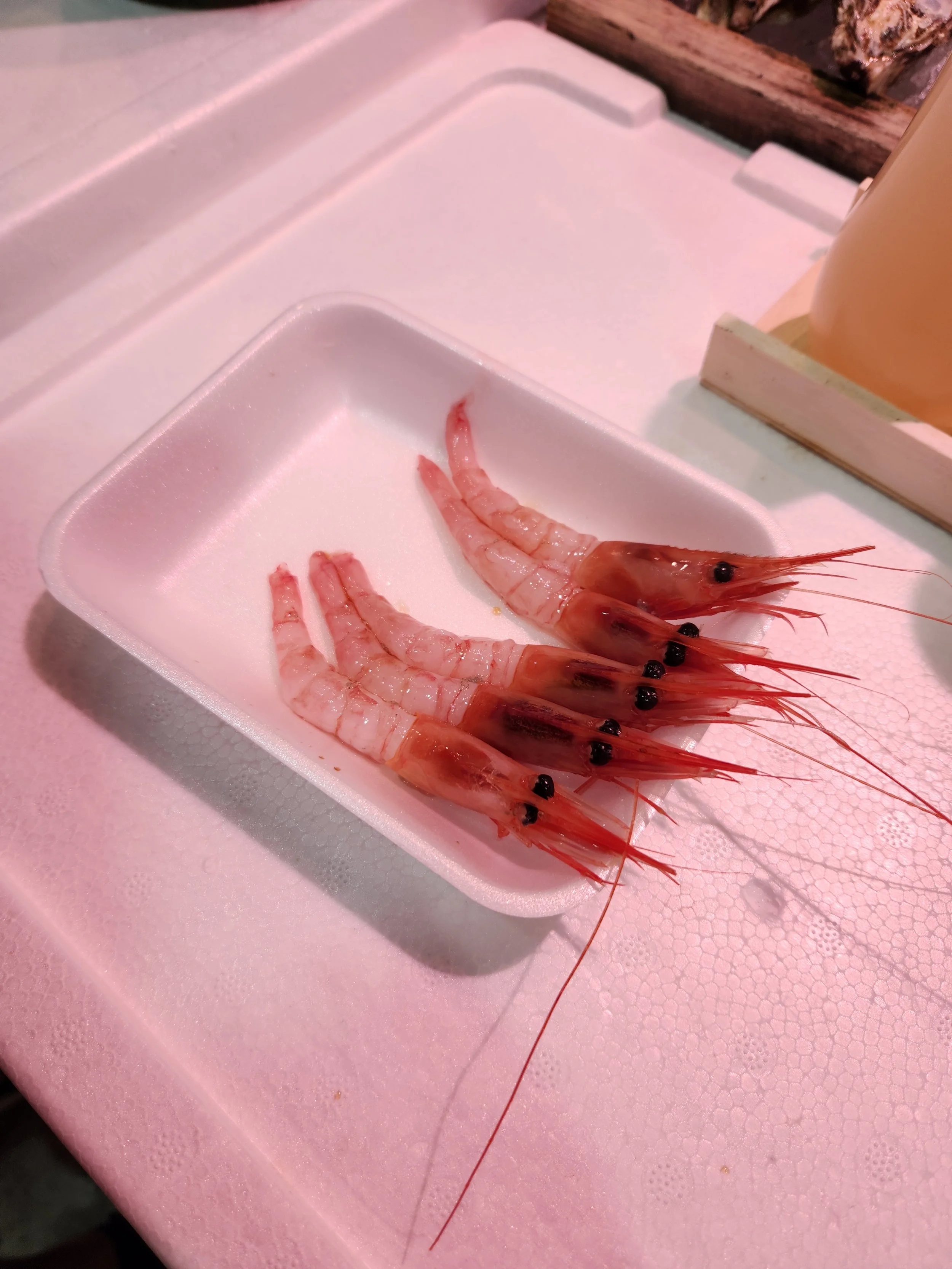
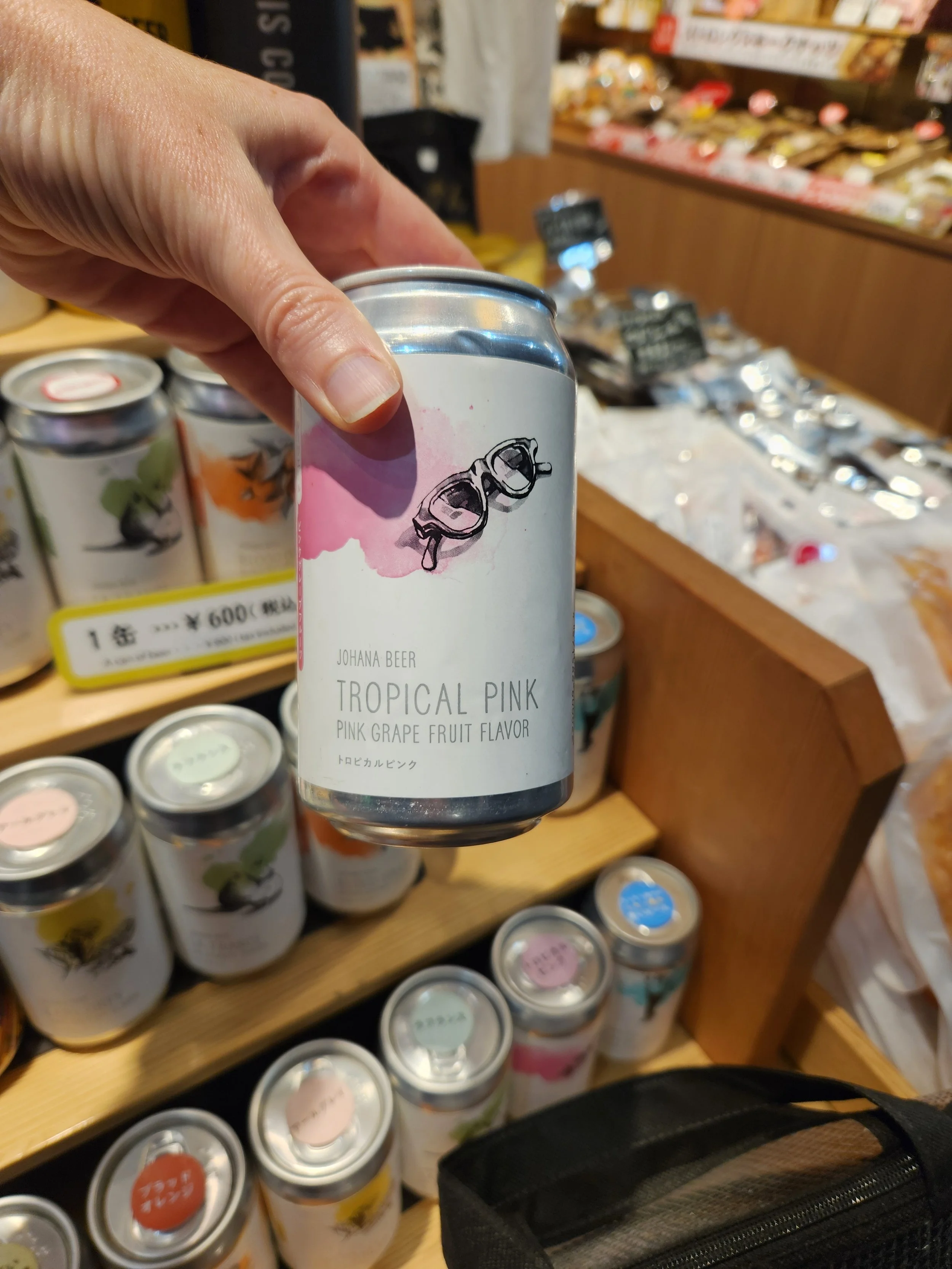
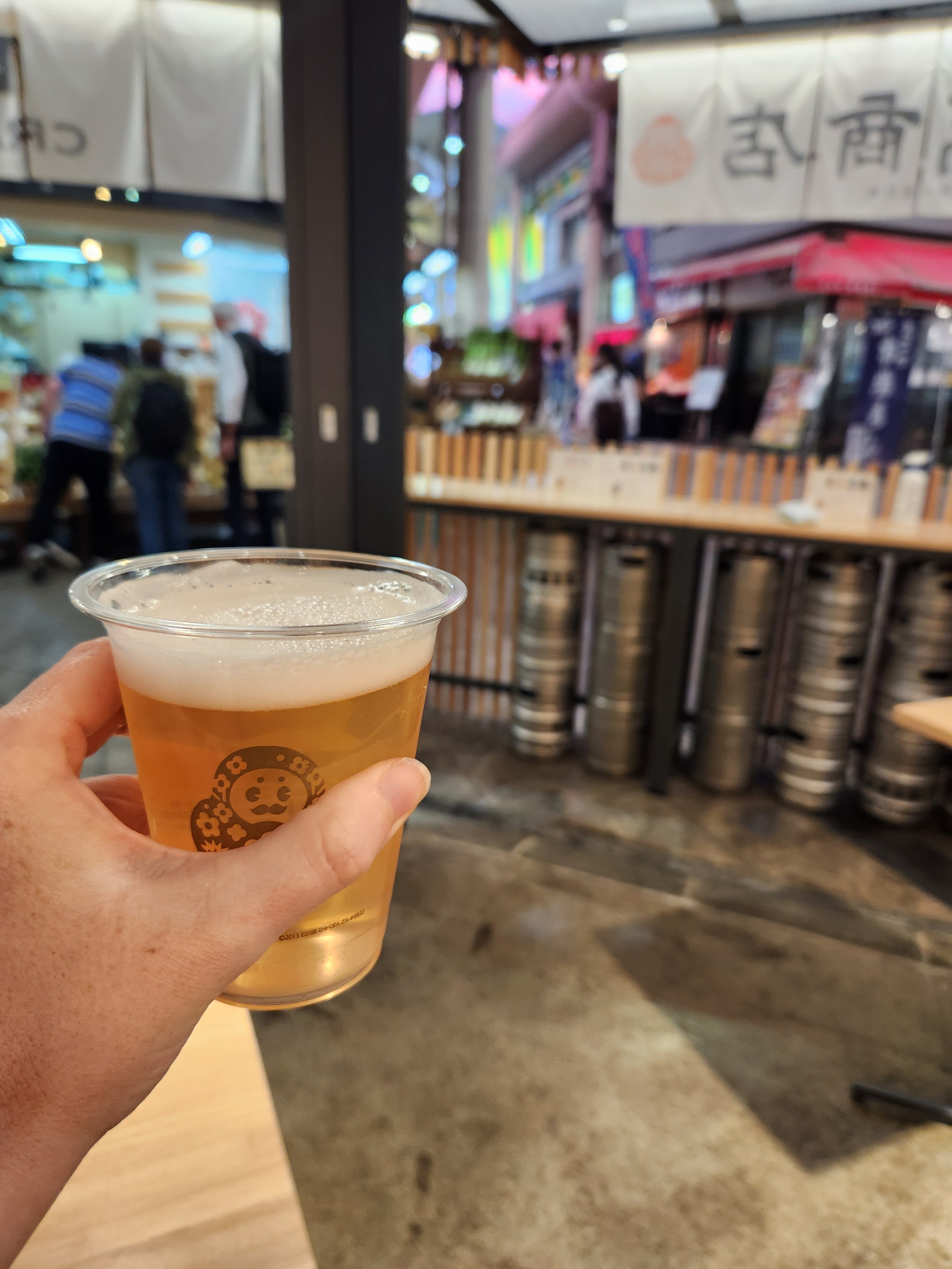
We sampled some local favorites, including barbecue eel and sweet shrimp, paired with Johana beer from nearby Toyama. The bustling market atmosphere made the experience unforgettable.
Walking Through History: The Samurai District
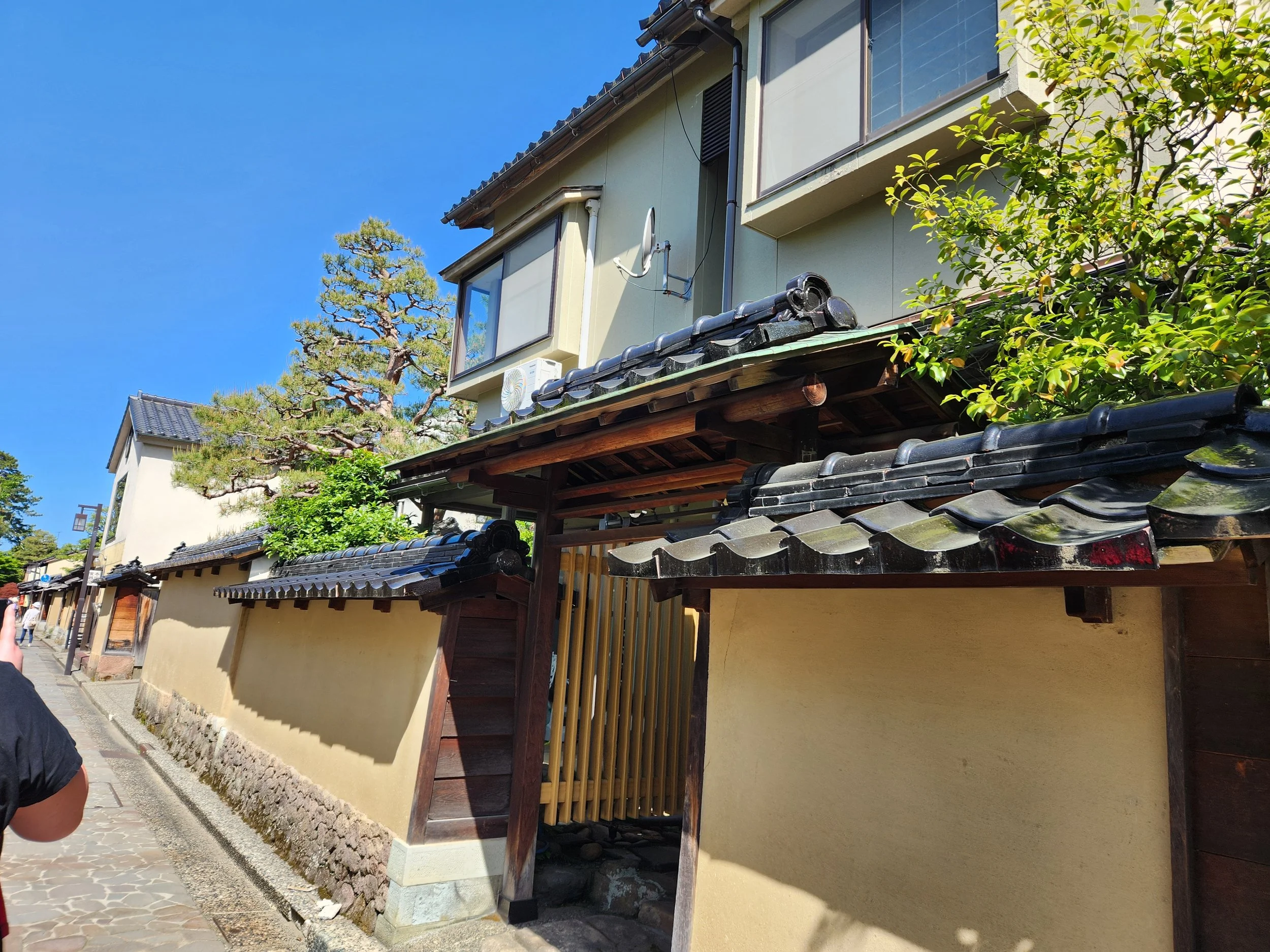
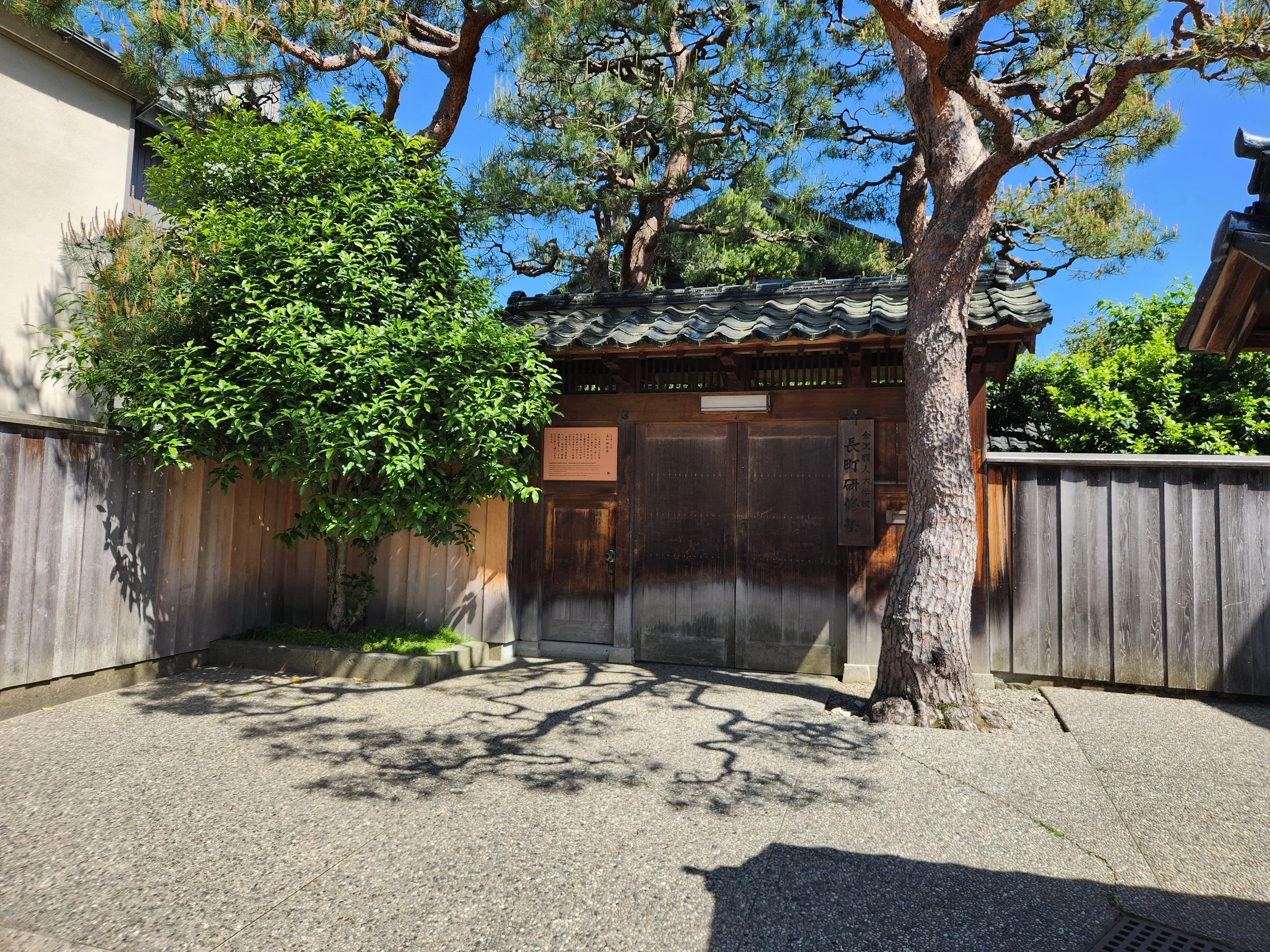
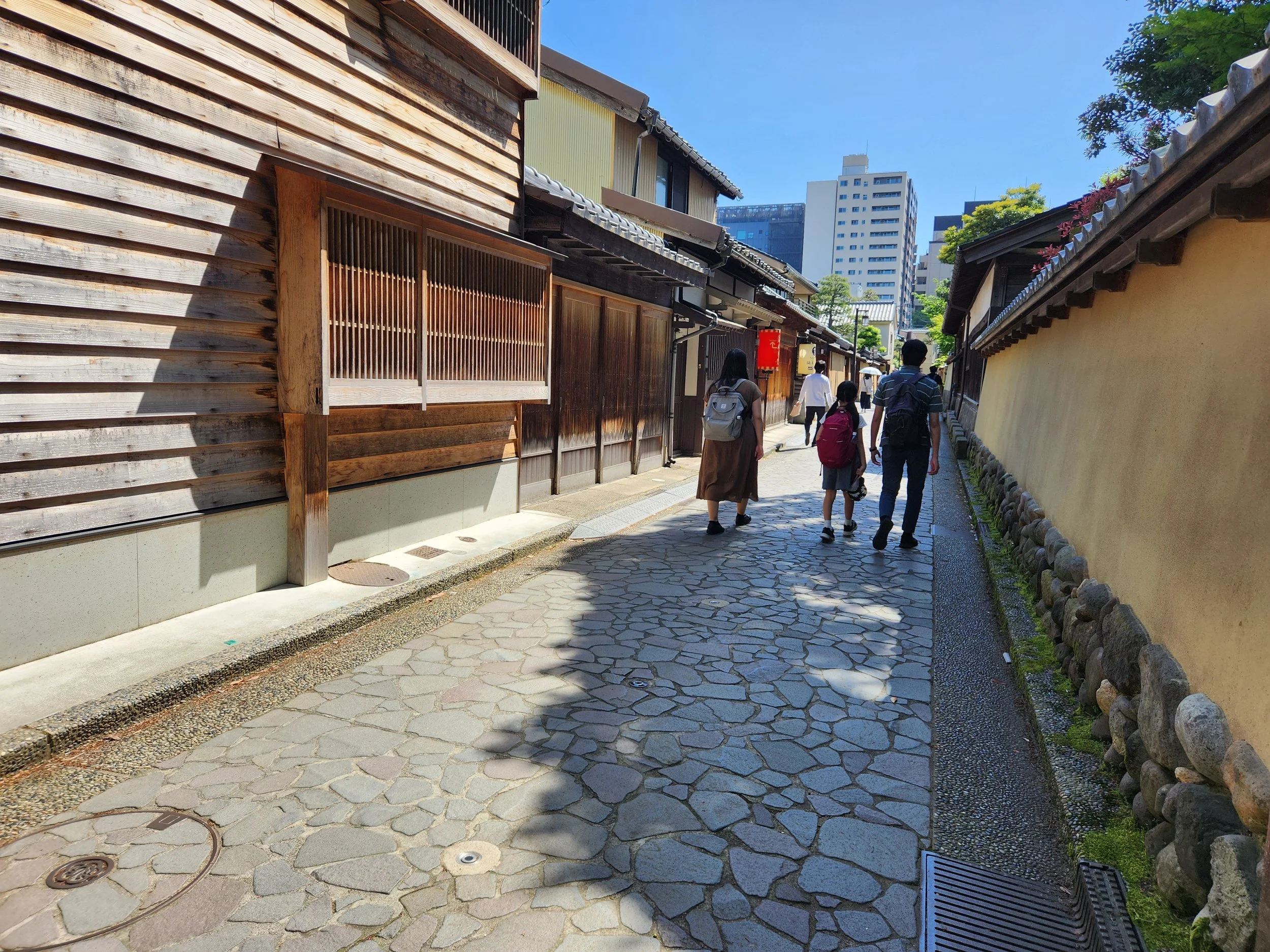
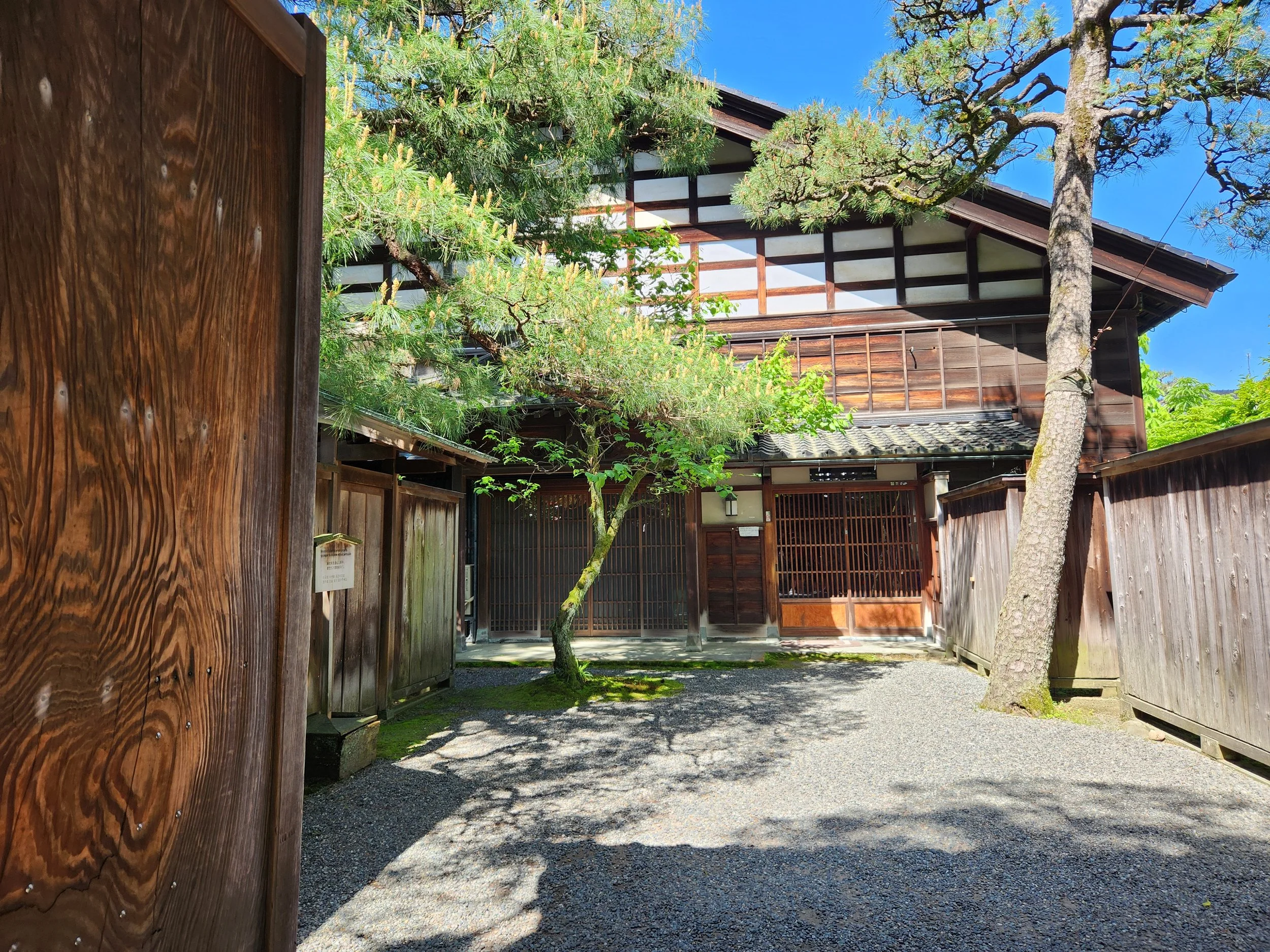
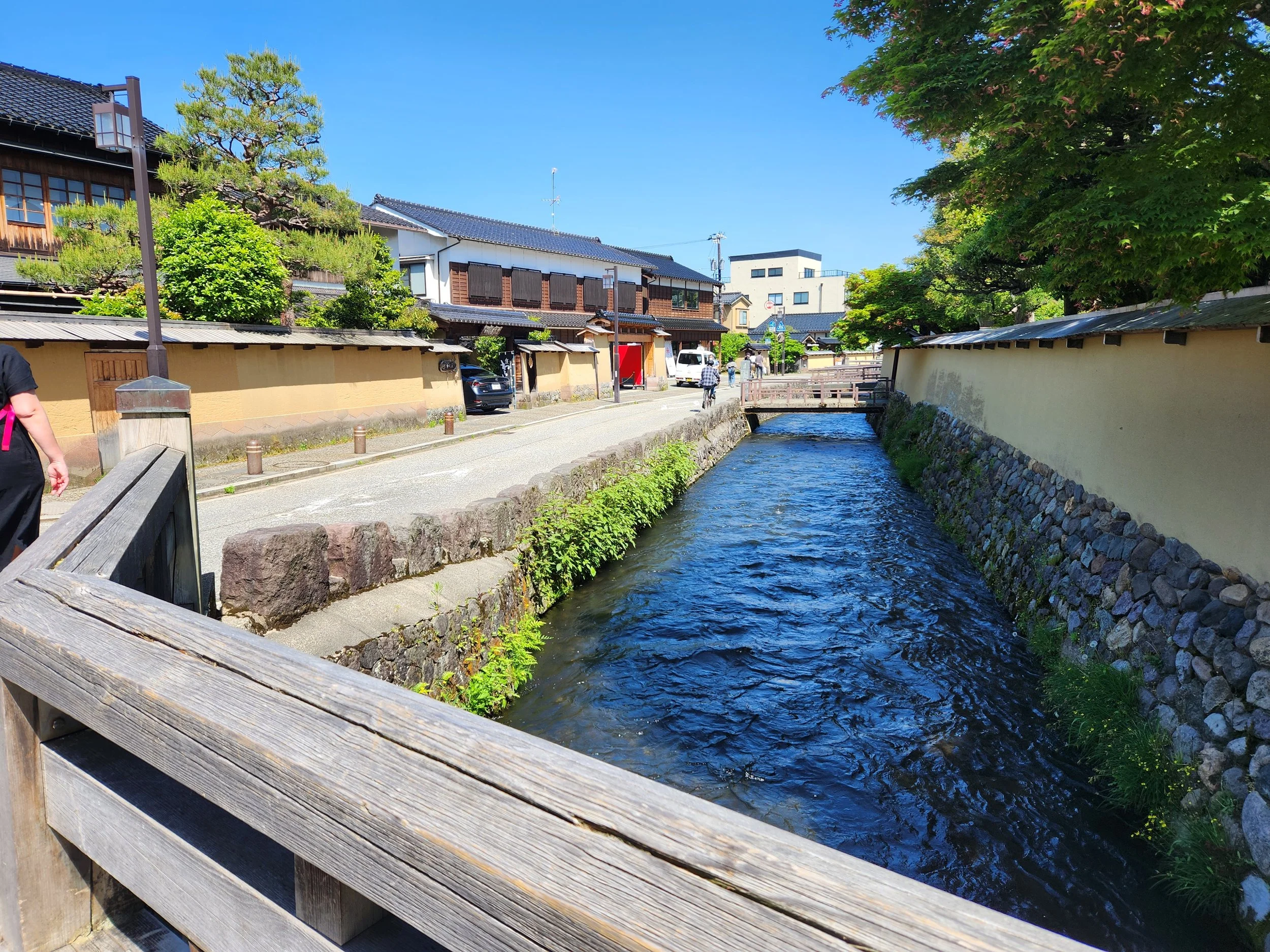
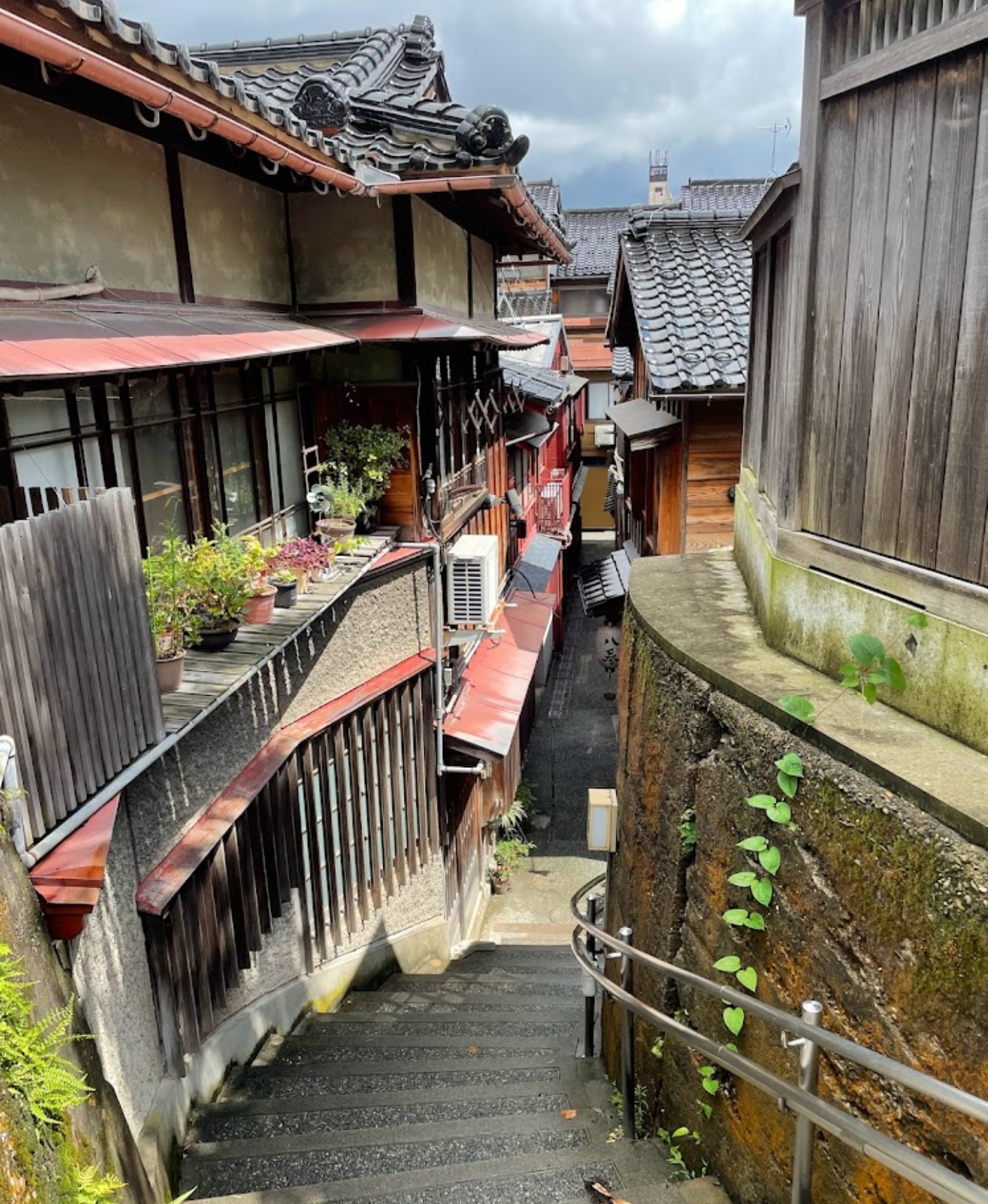
Next, we explored the Nagamachi Samurai District, home to samurai warriors during the Edo period. Walking through the narrow streets, you can still feel the historical charm.
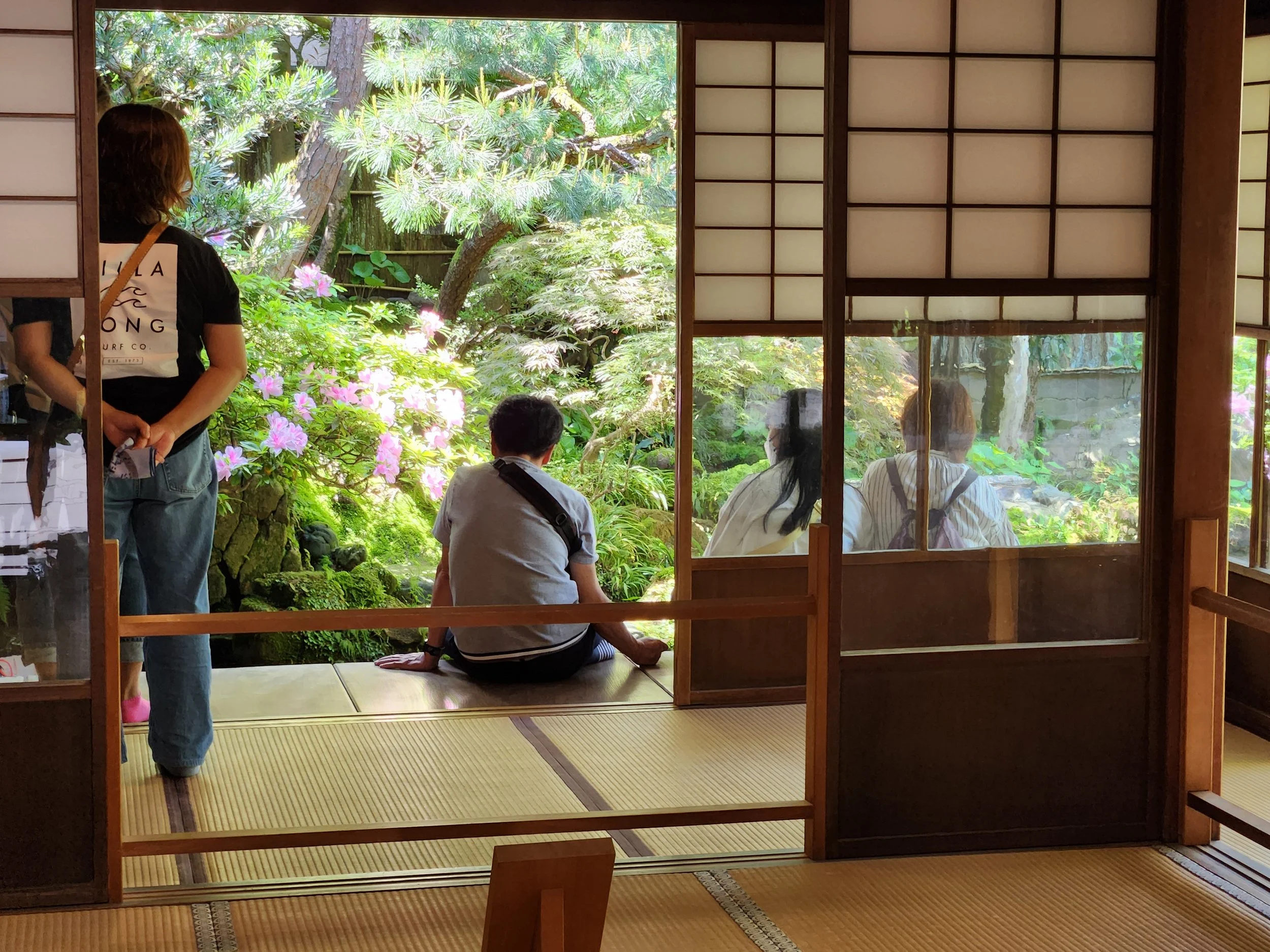
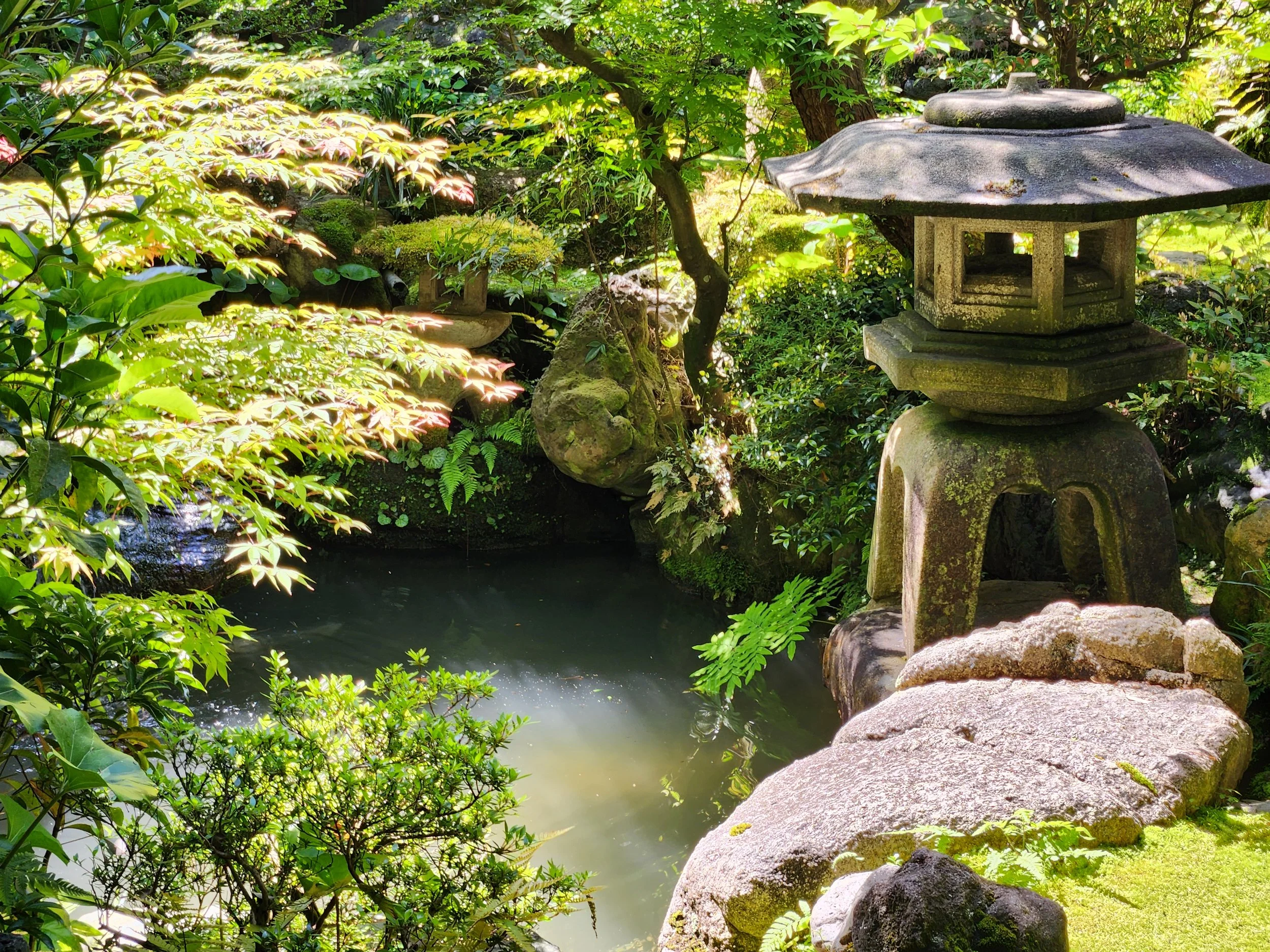
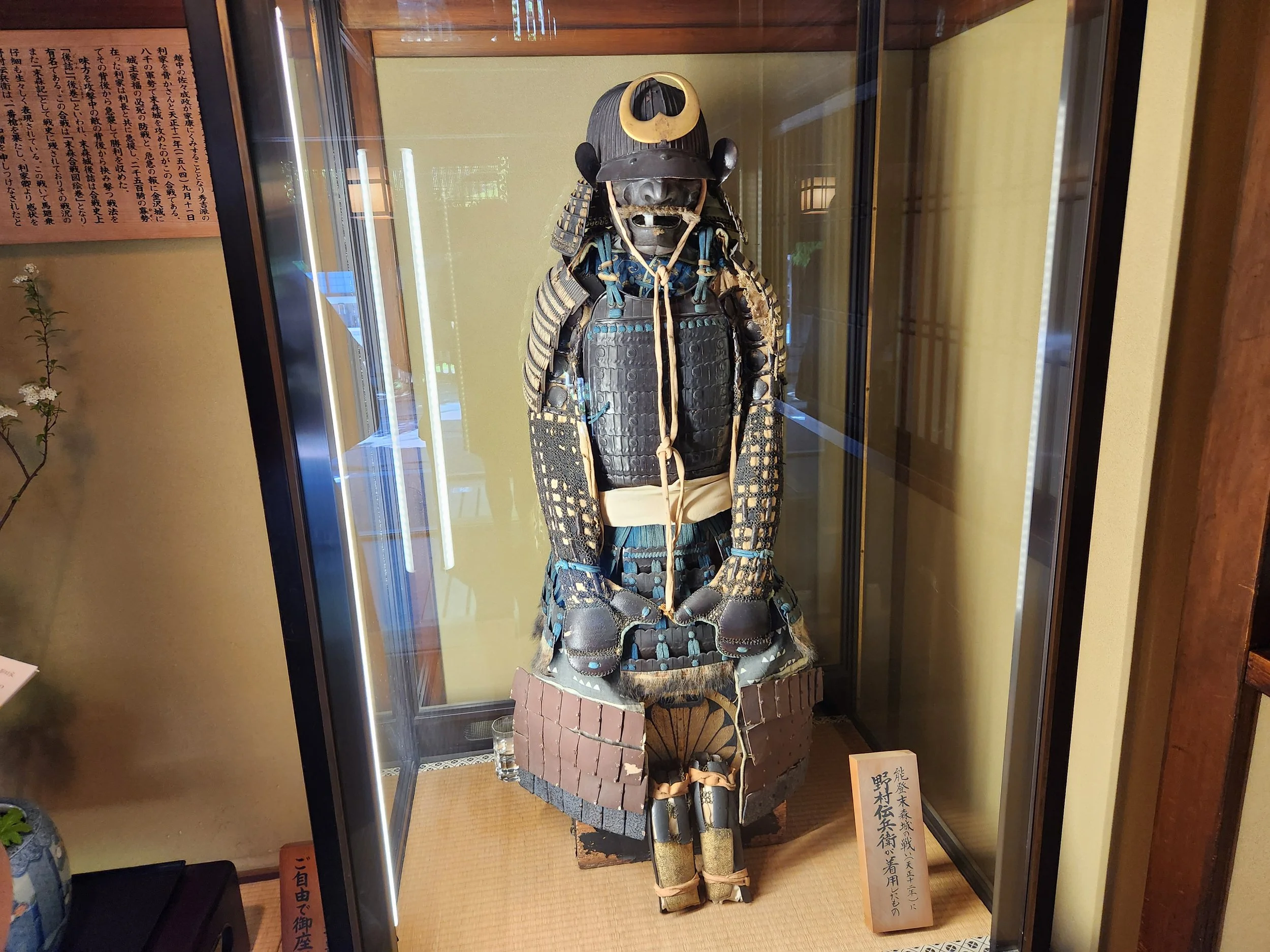
A highlight was visiting the Nomura Samurai House, home to ten generations of samurai. Preserved as a museum, it showcases traditional Edo-period architecture, tatami mat floors, and a beautiful garden. Low doorways and fortified designs reflect the samurai’s lifestyle and status.
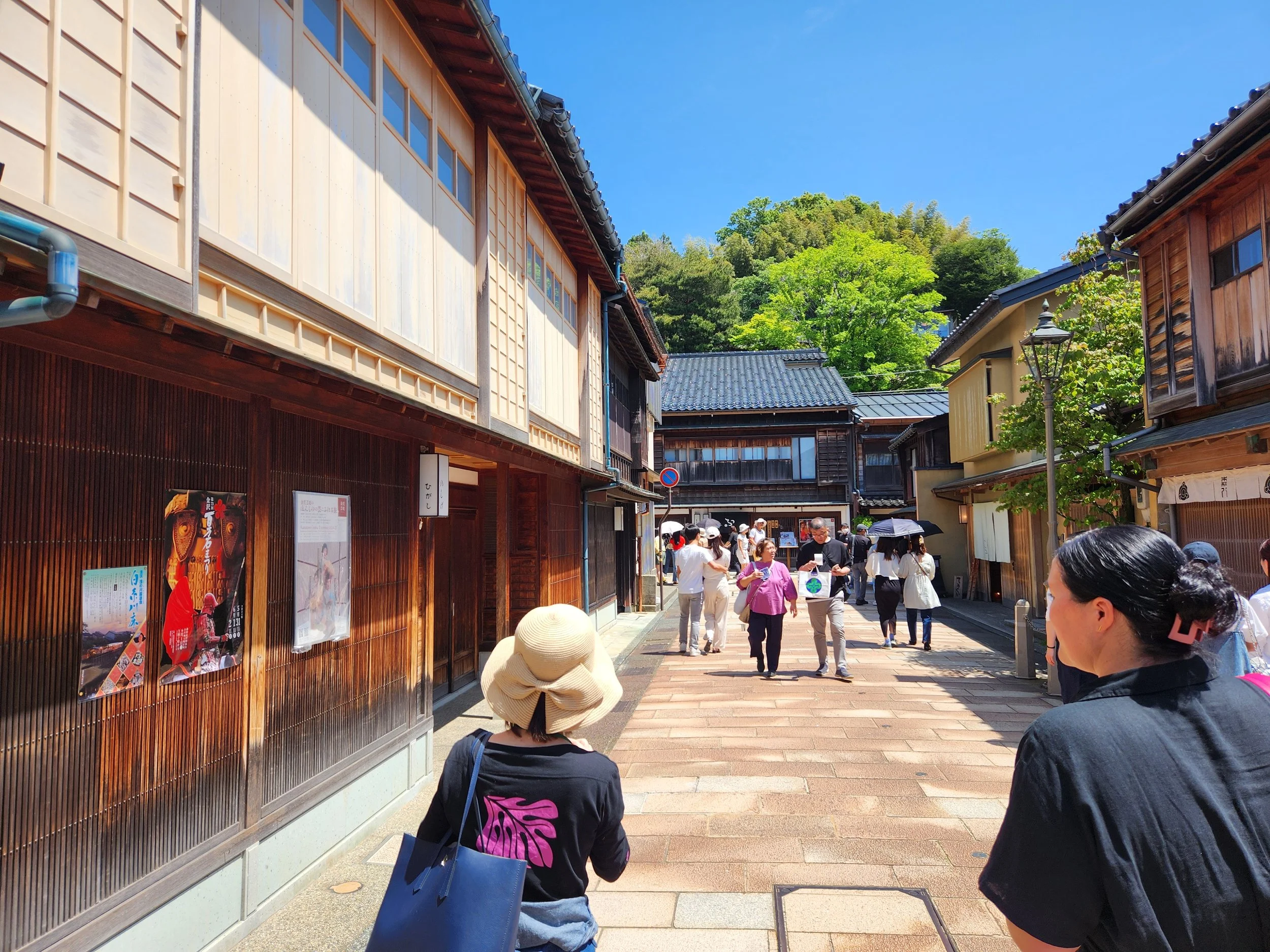
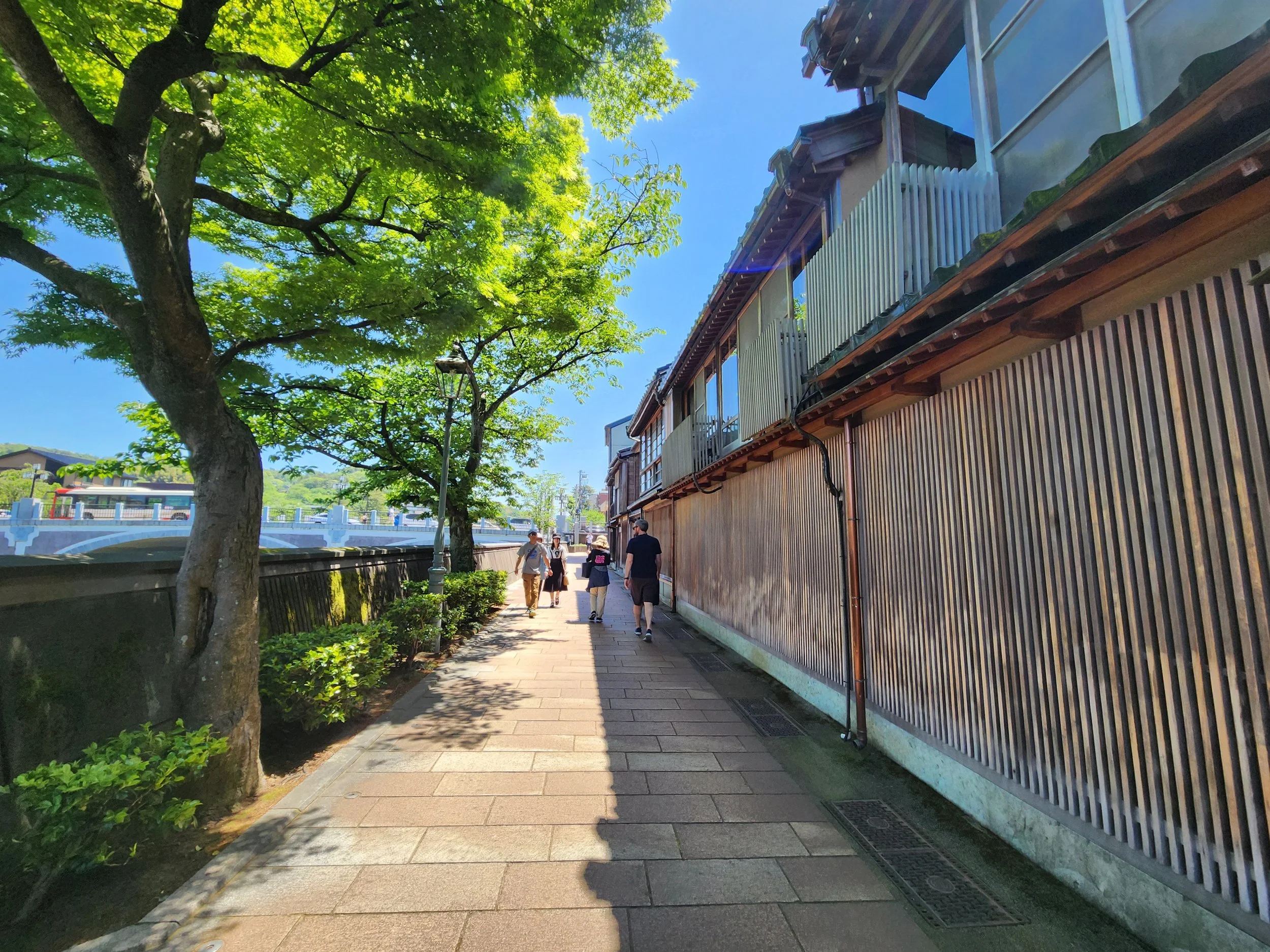
Geisha Culture and Gold Leaf: Higashi Chaya District
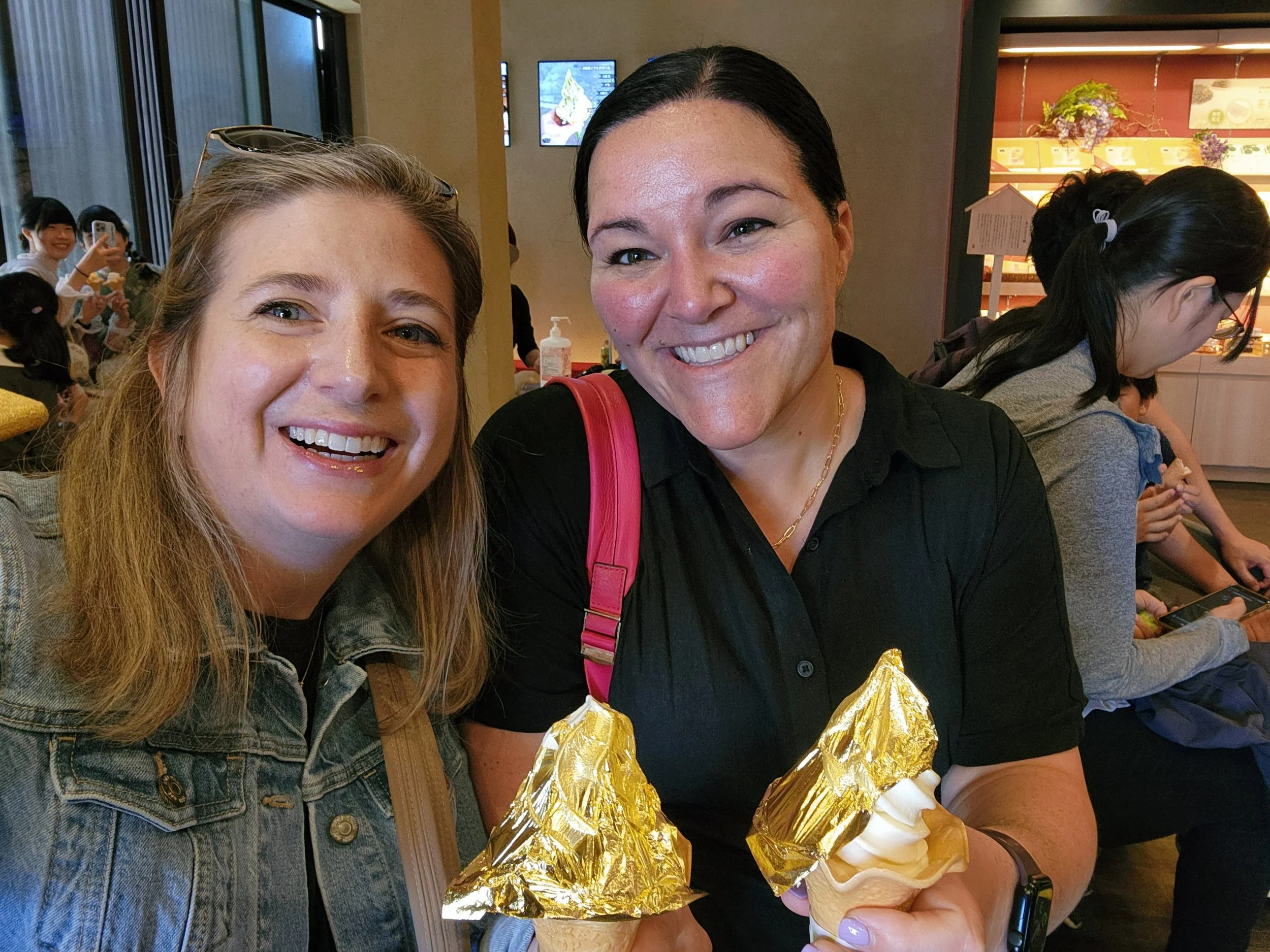
Kanazawa’s Higashi Chaya District is one of the city’s geisha districts, where traditional teahouses now house shops, cafes, and museums. Here, we tried the famous gold leaf ice cream, a luxurious treat since Kanazawa produces 99% of Japan’s gold leaf.
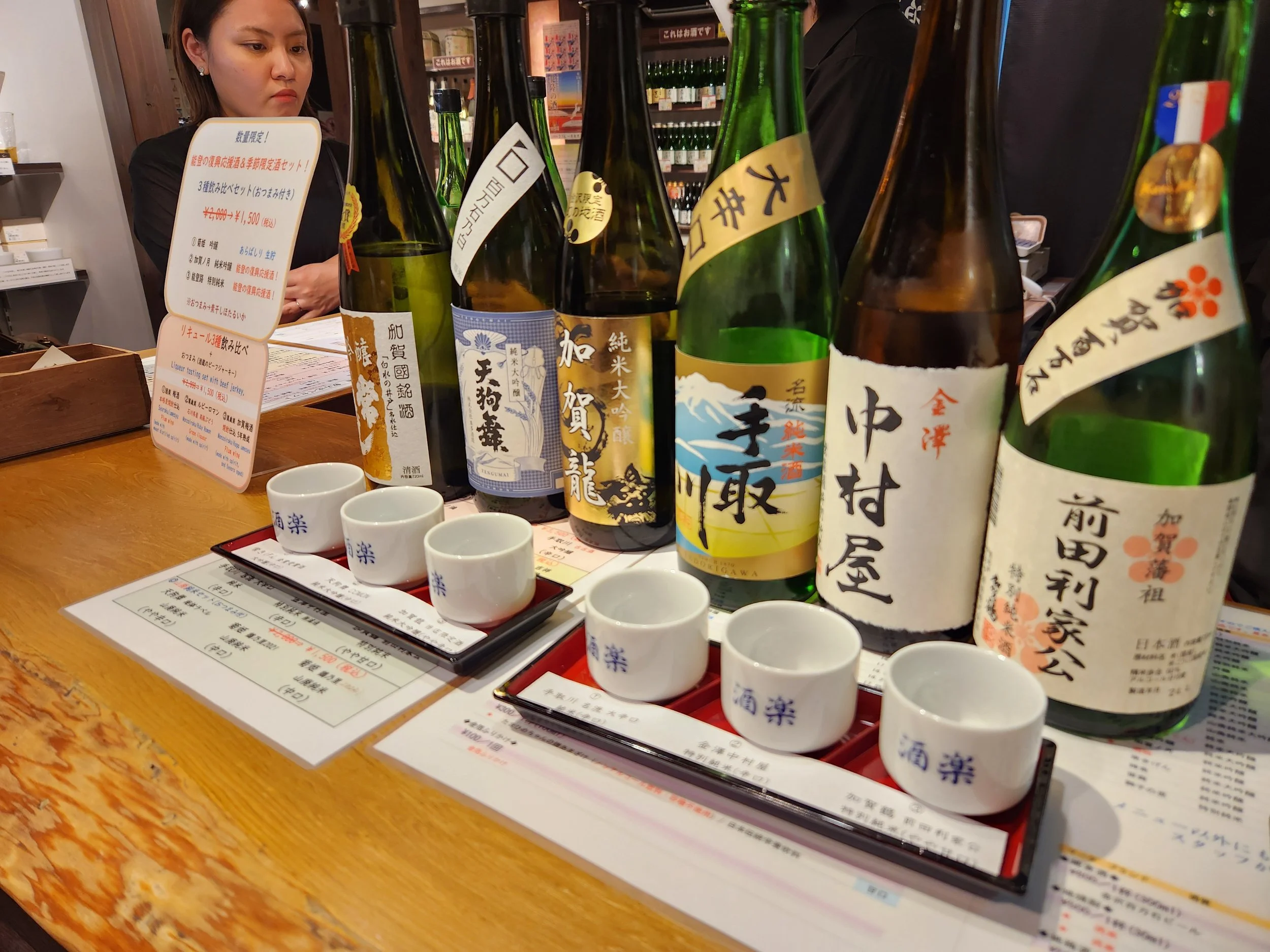
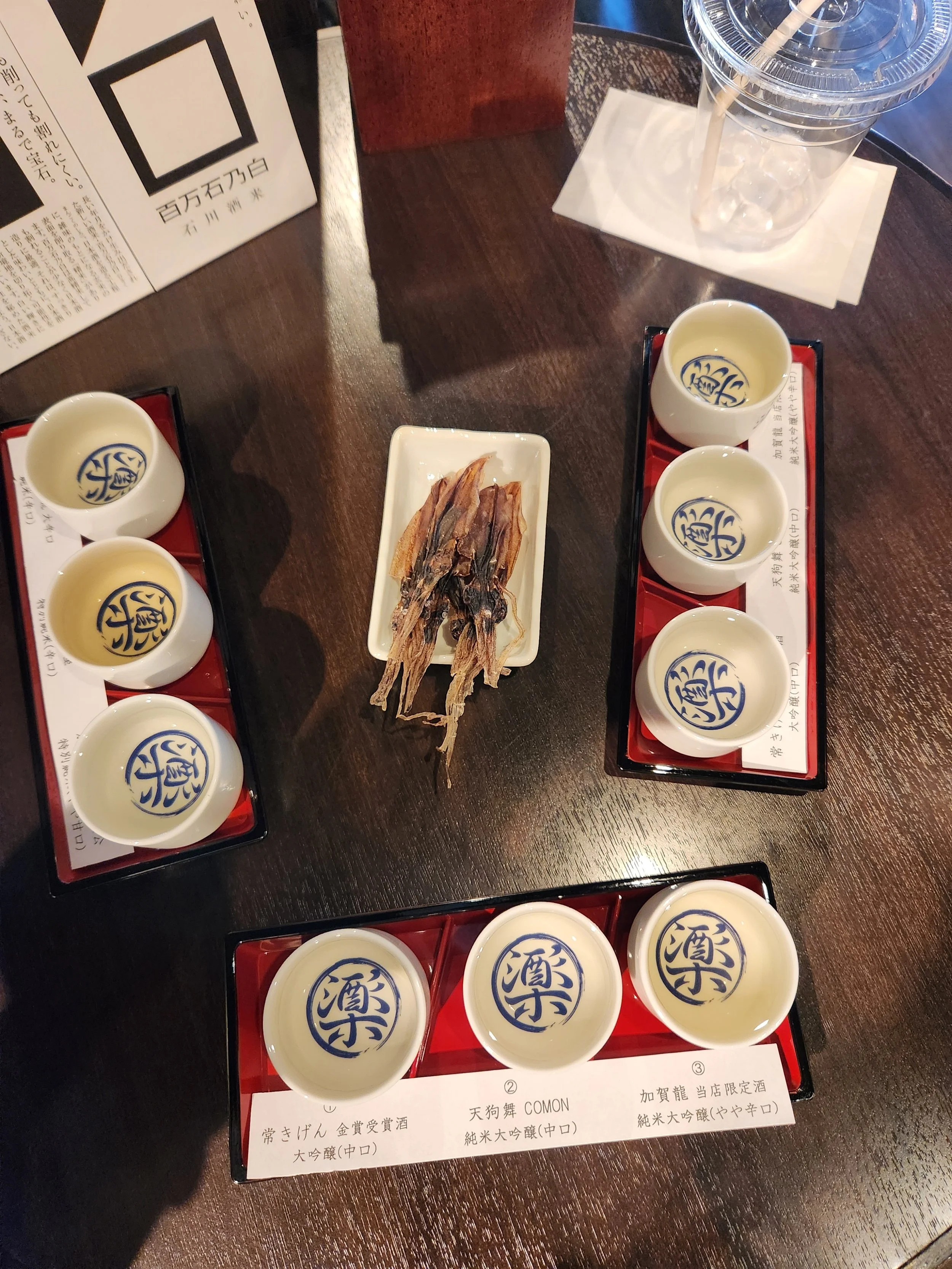
We also visited a local sake brewery. Sake enthusiasts can look for green balls (not ready) or brown balls (ready) to know when to step inside for a tasting—a perfect introduction to Japan’s rich sake culture.
Kenrokuen Garden: One of Japan’s Top Gardens
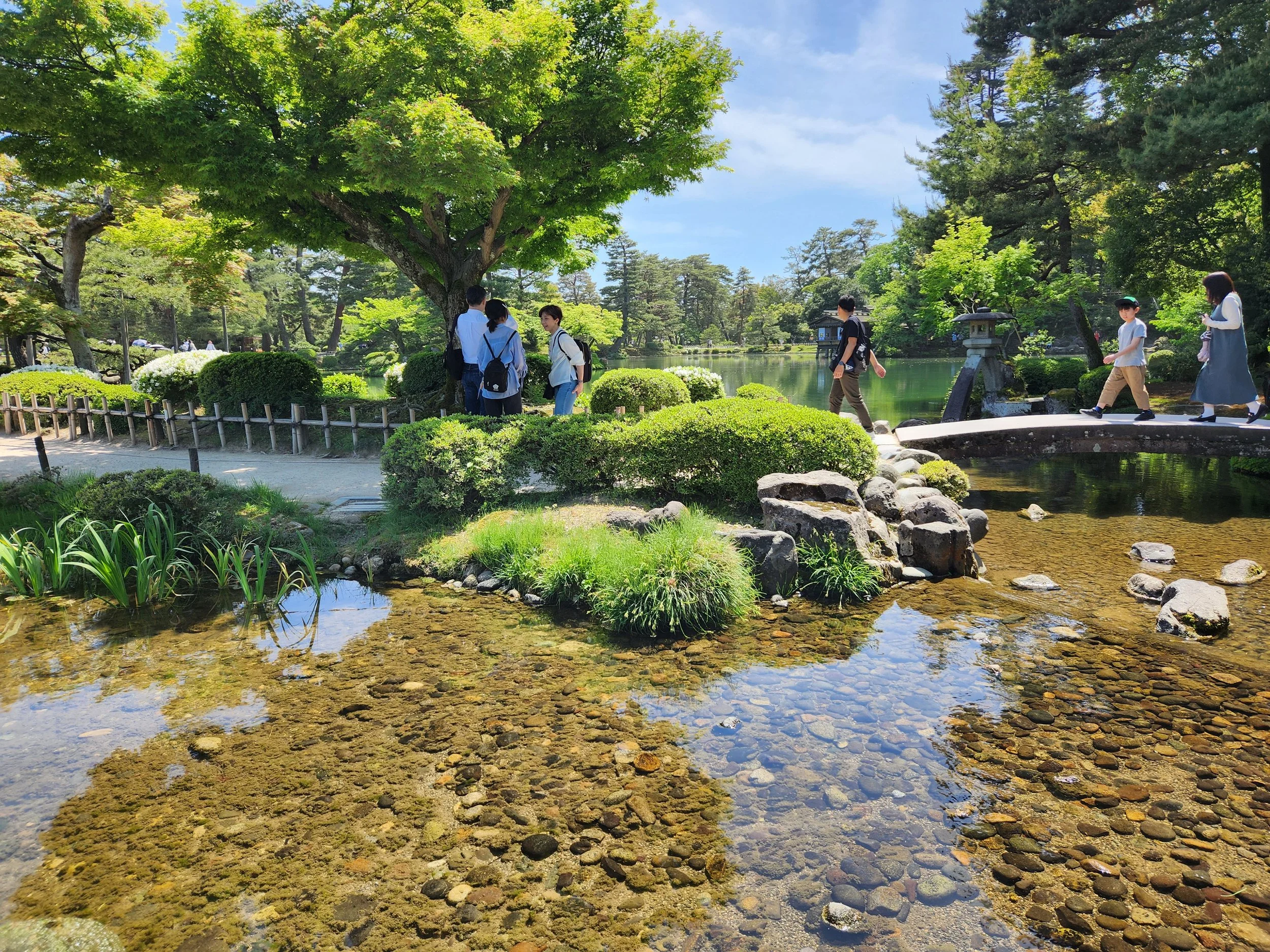
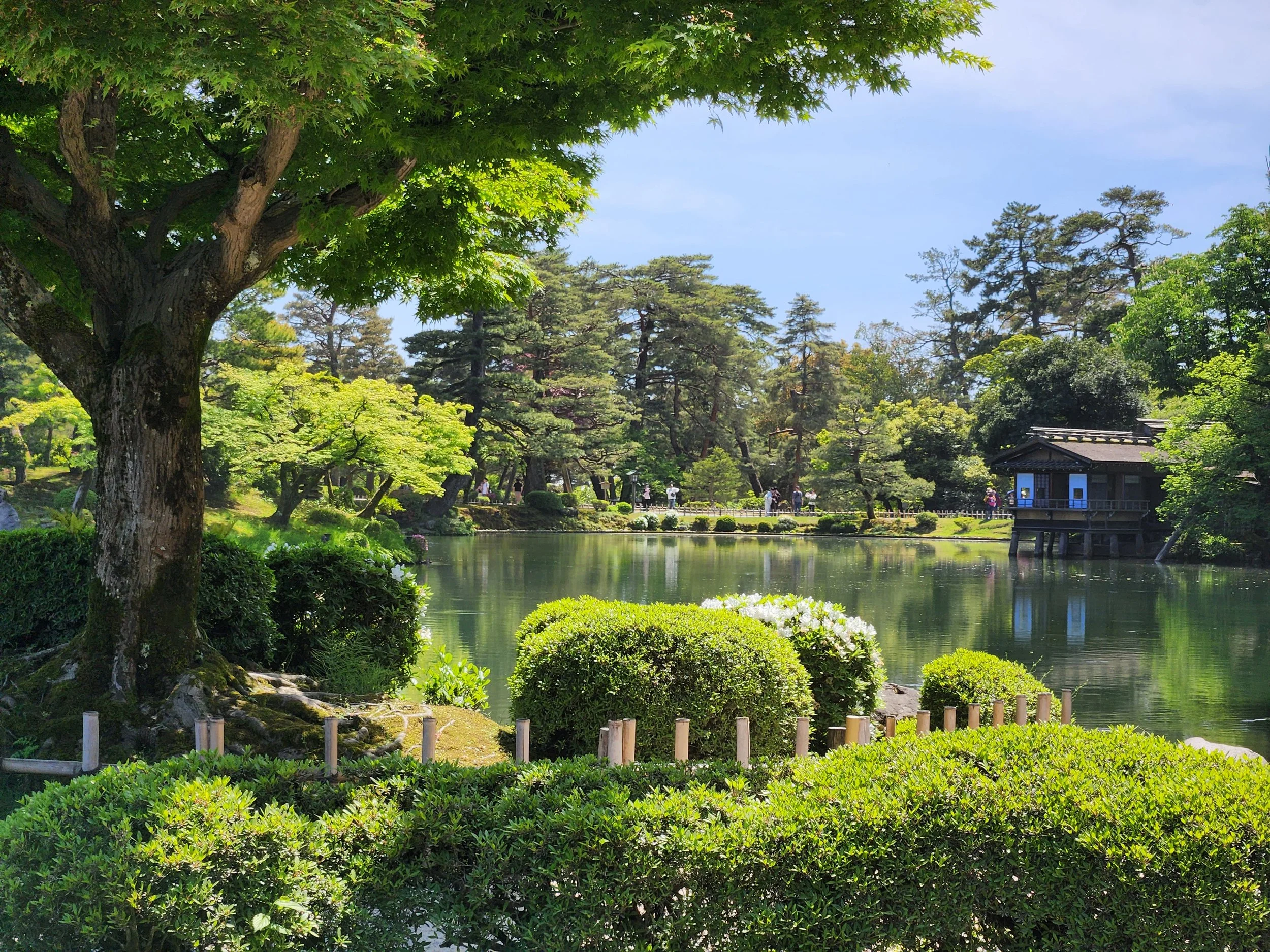
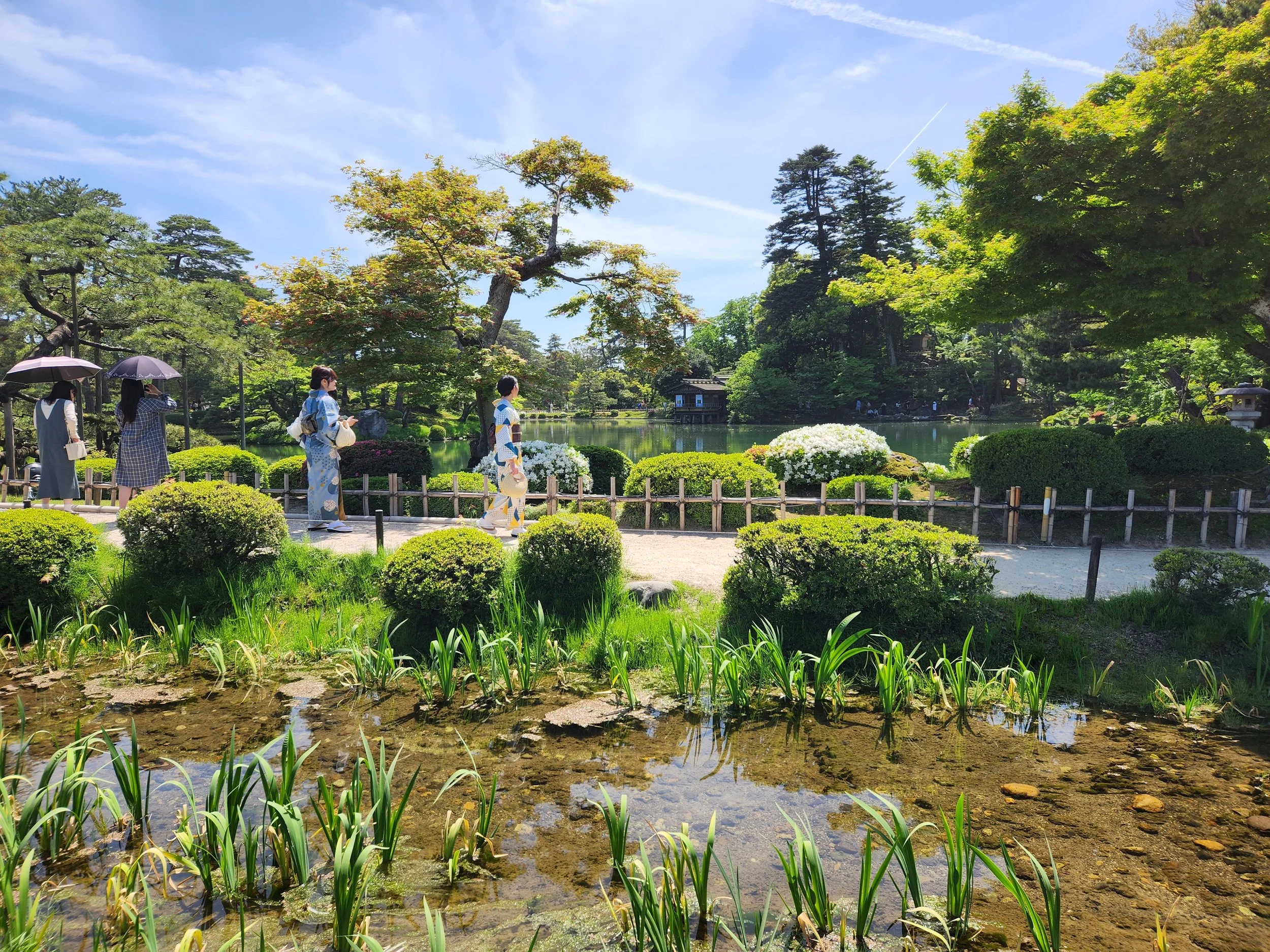
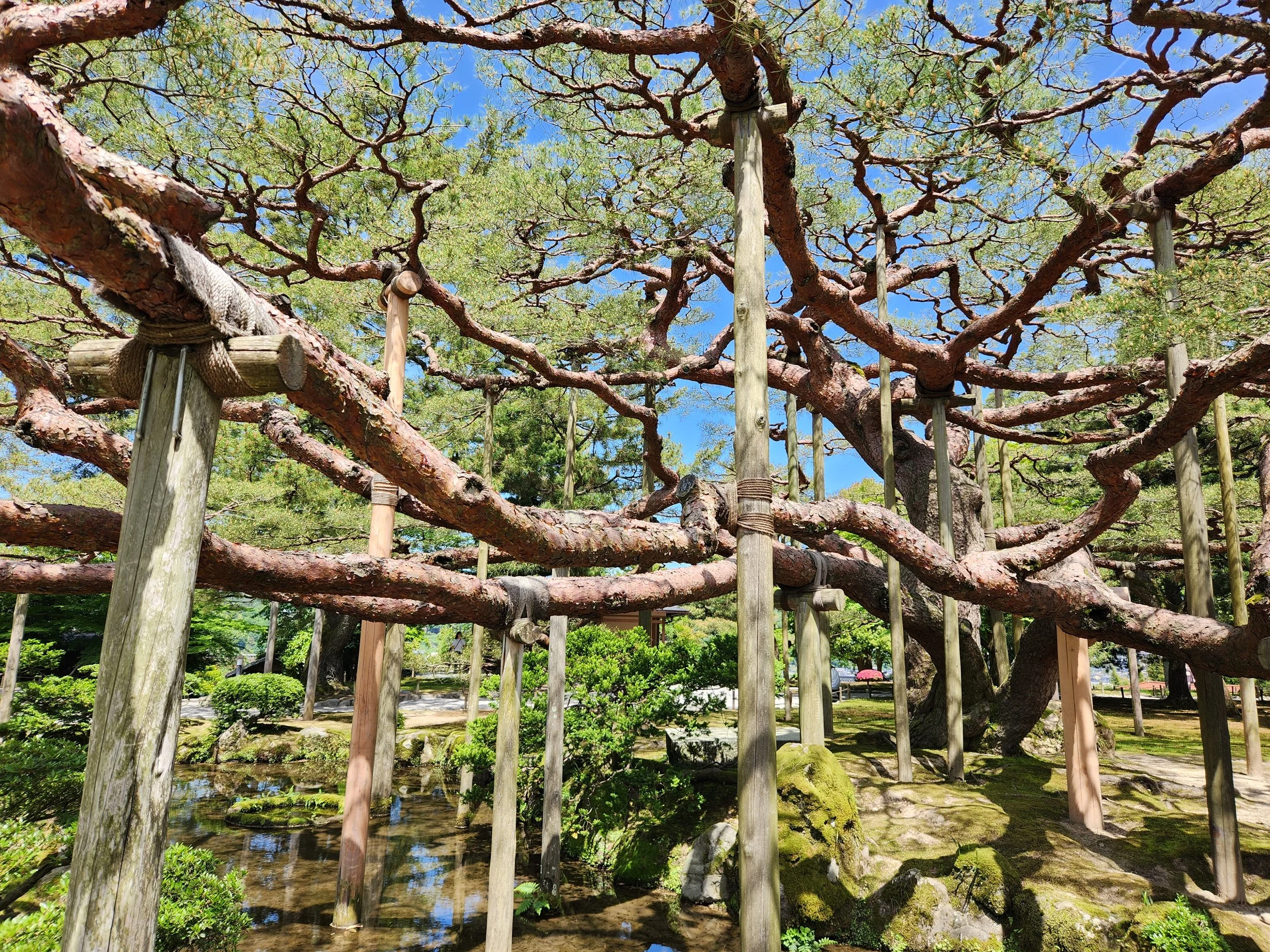
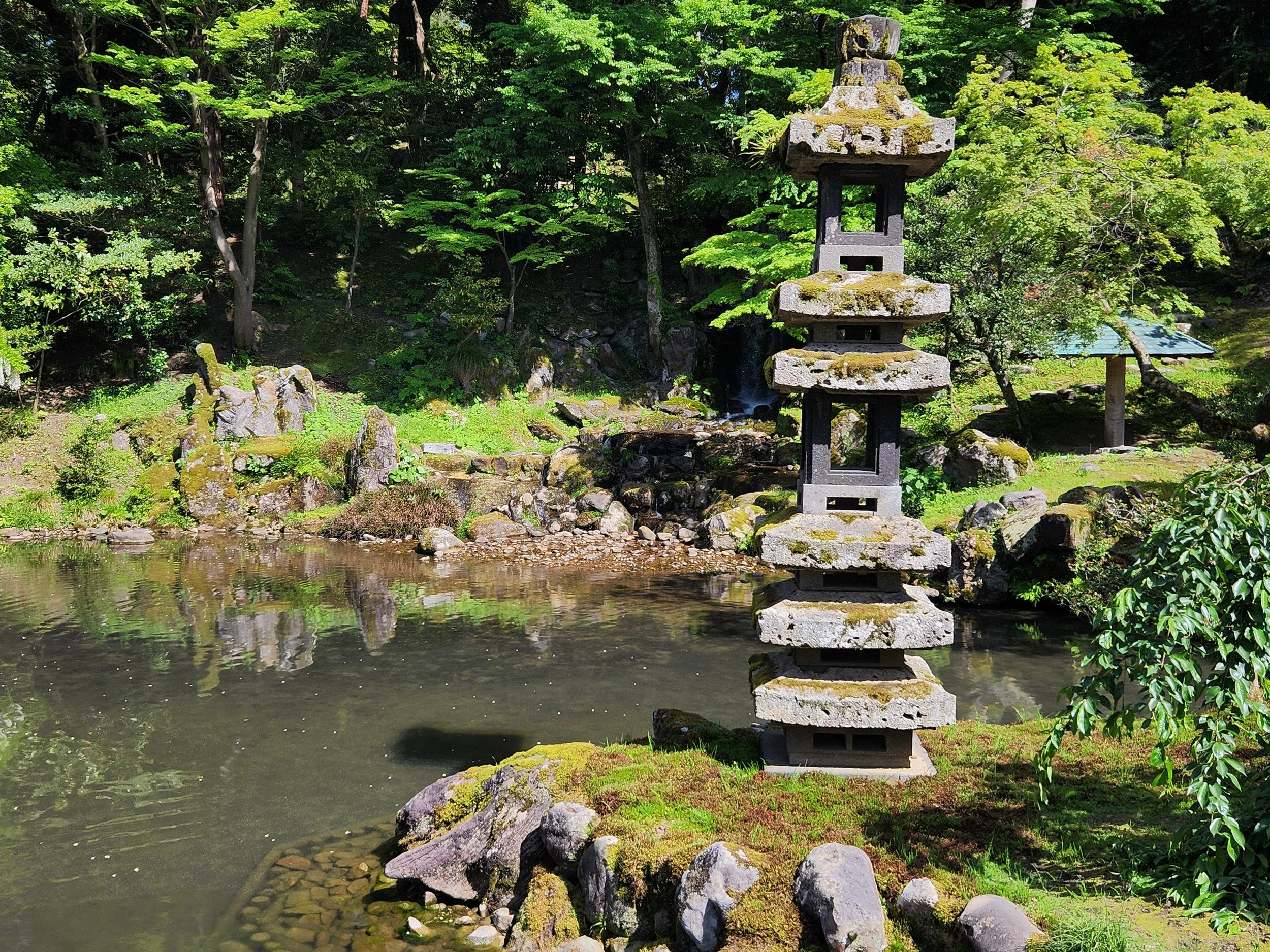
No trip to Kanazawa is complete without visiting Kenrokuen Garden, renowned as one of Japan’s three great gardens. Its seasonal flowers, scenic ponds, bridges, waterfalls, and tea houses create a serene atmosphere.
We were lucky to catch a traditional drum performance in the garden, highlighting Kanazawa’s cultural heritage while walking among beautifully landscaped paths.
Kanazawa Castle: A Window into Japan’s Architectural History
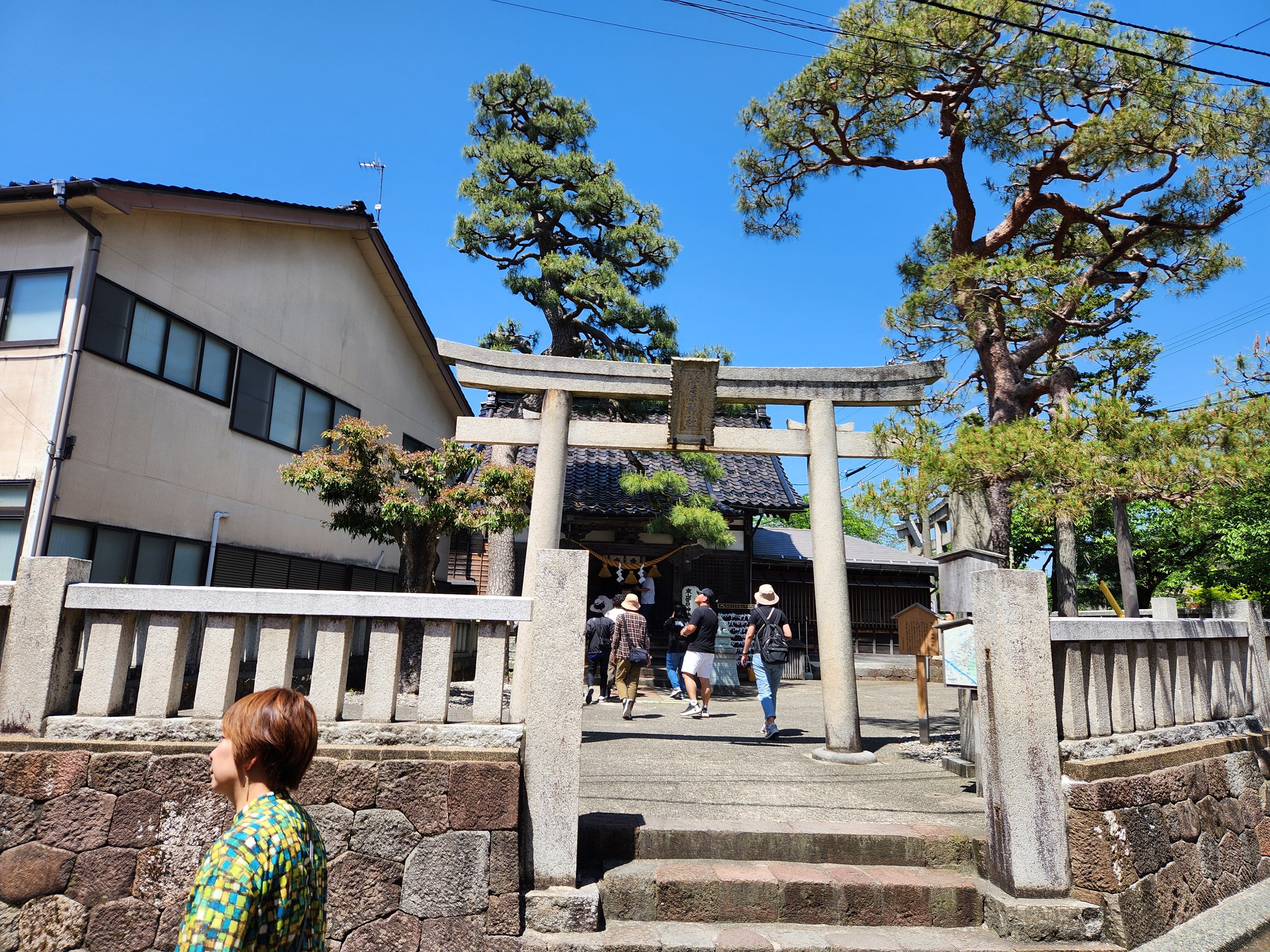
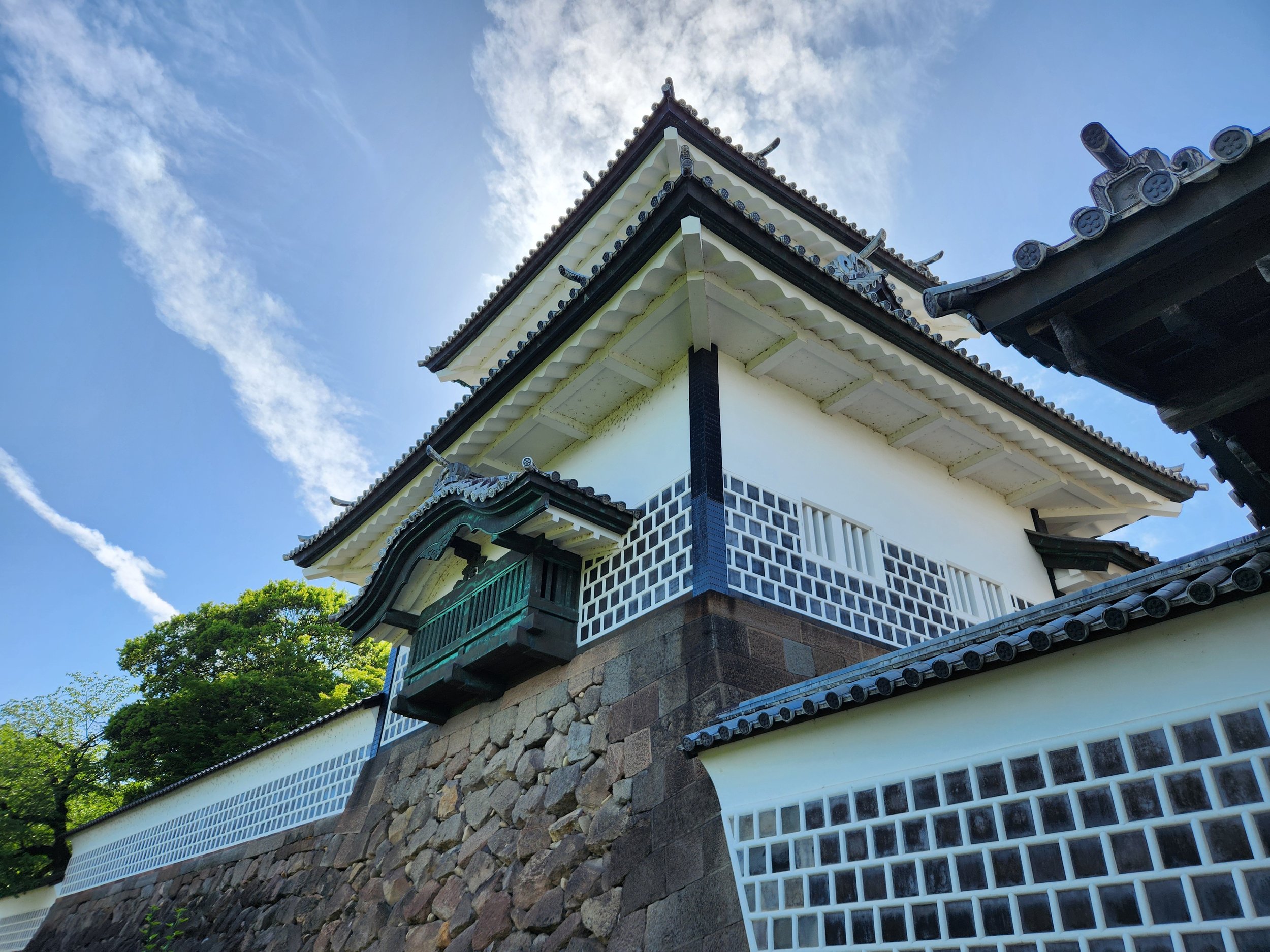
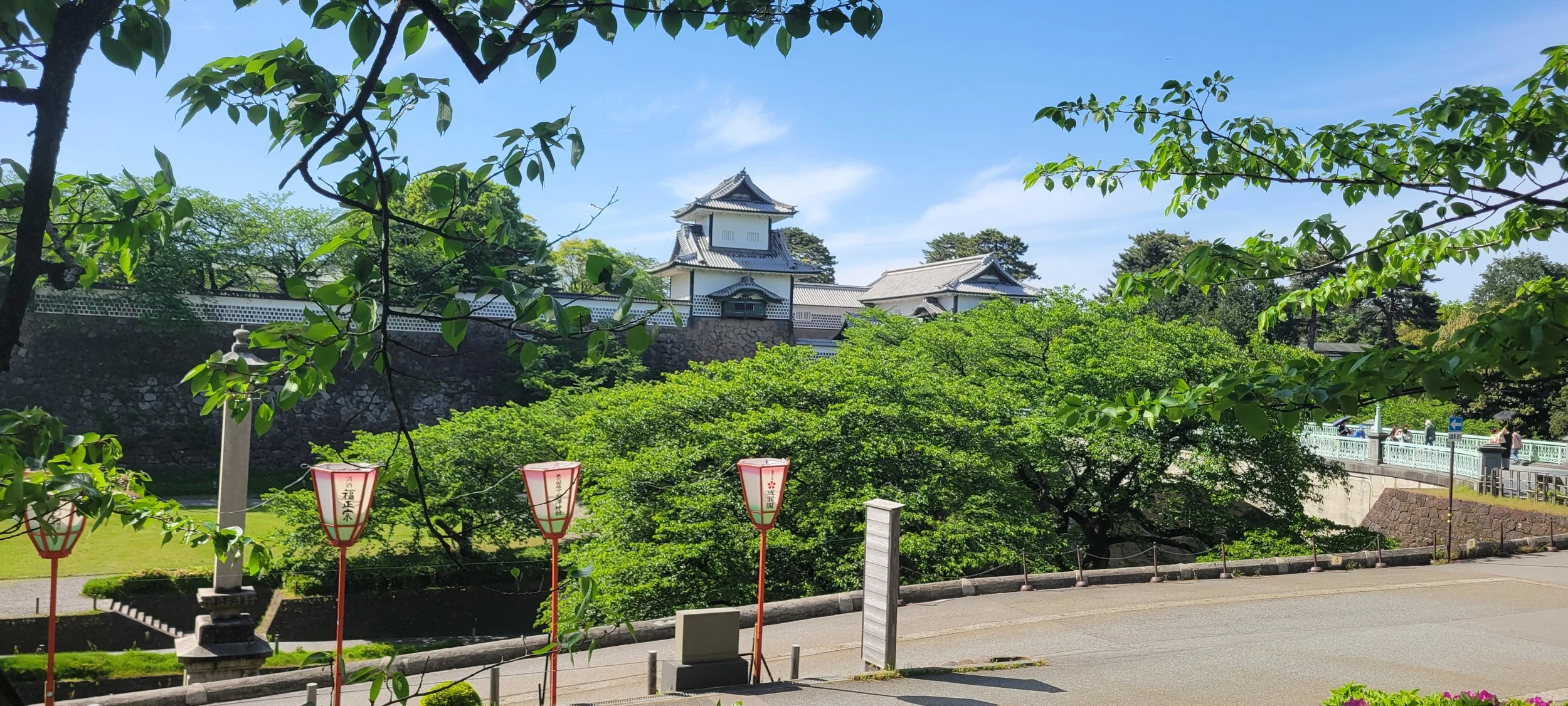
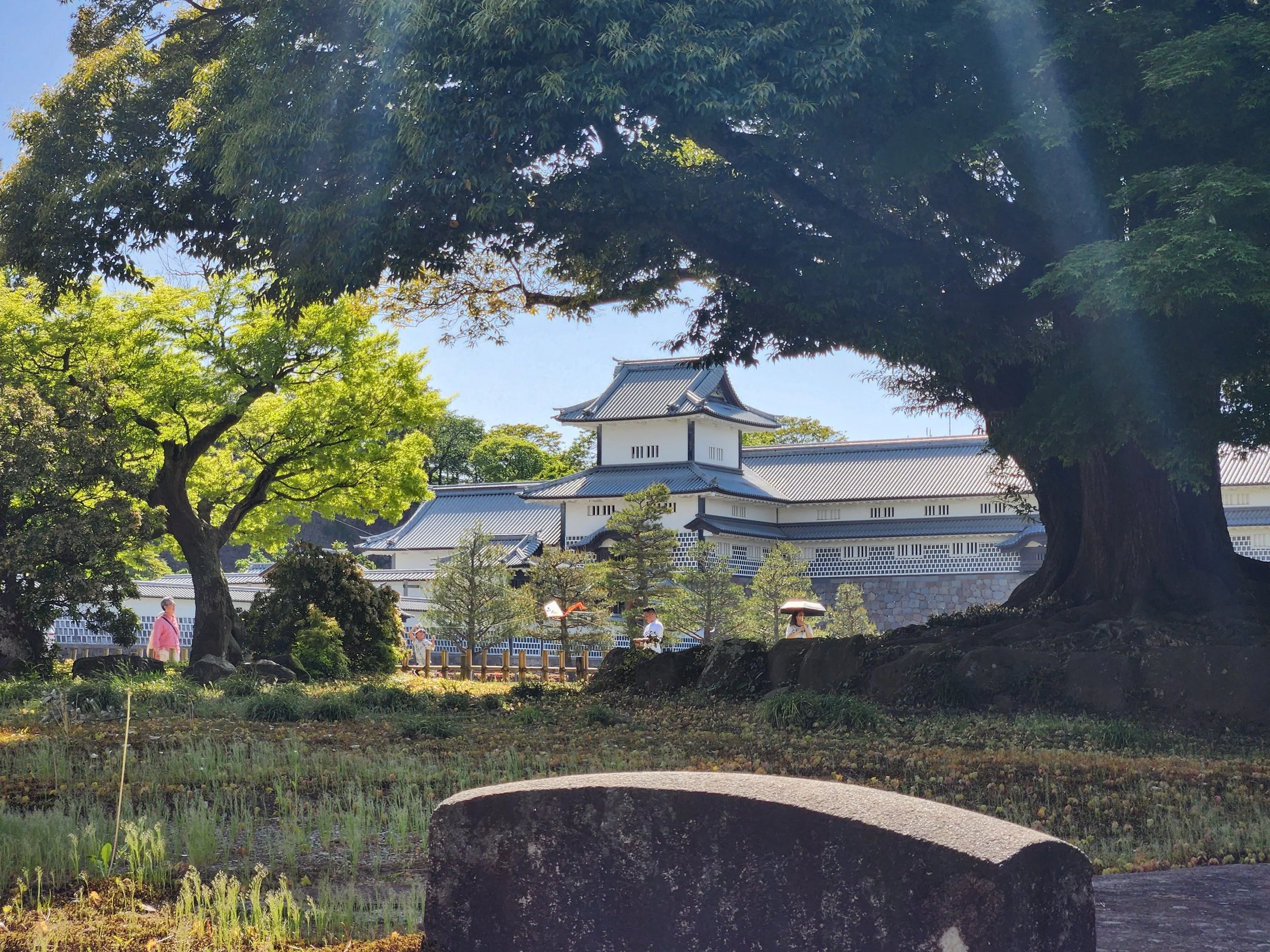
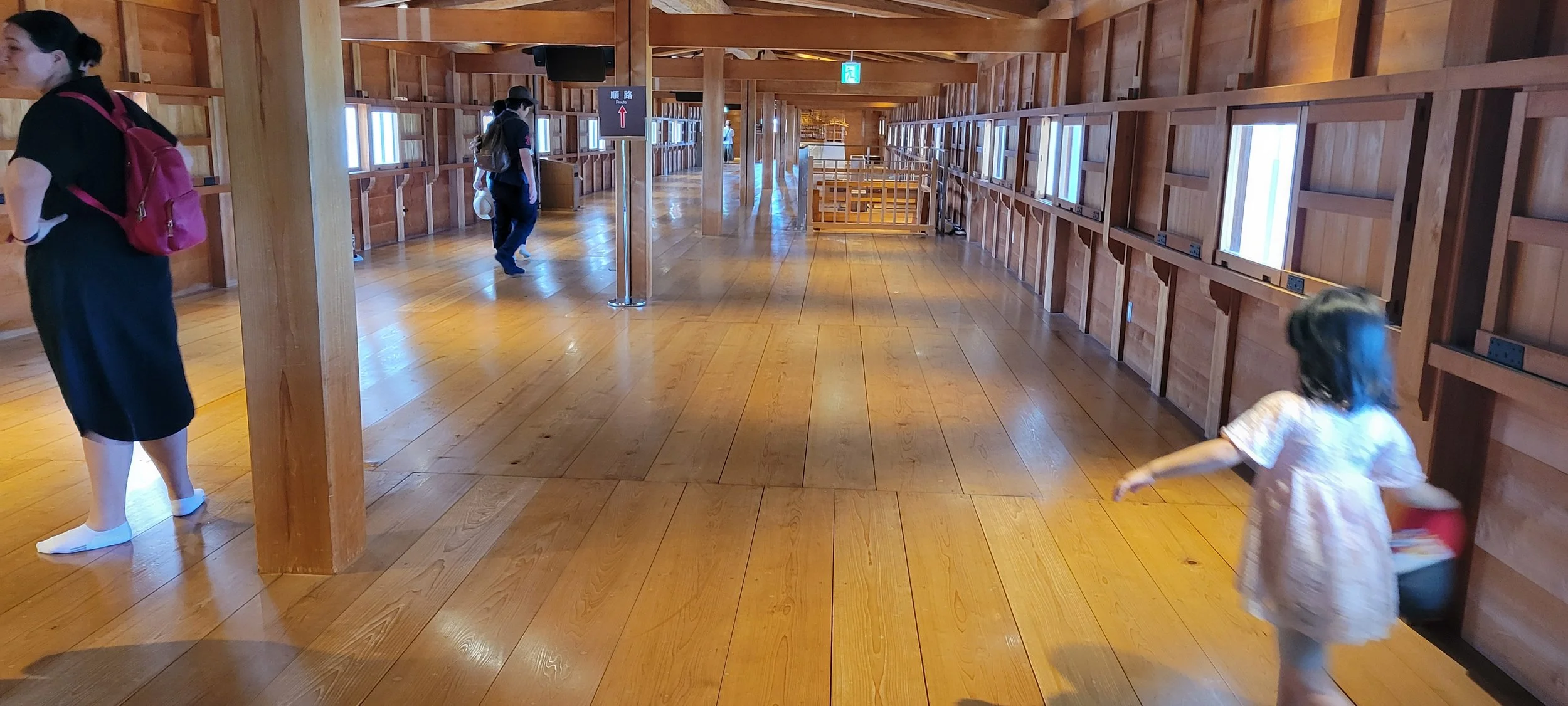
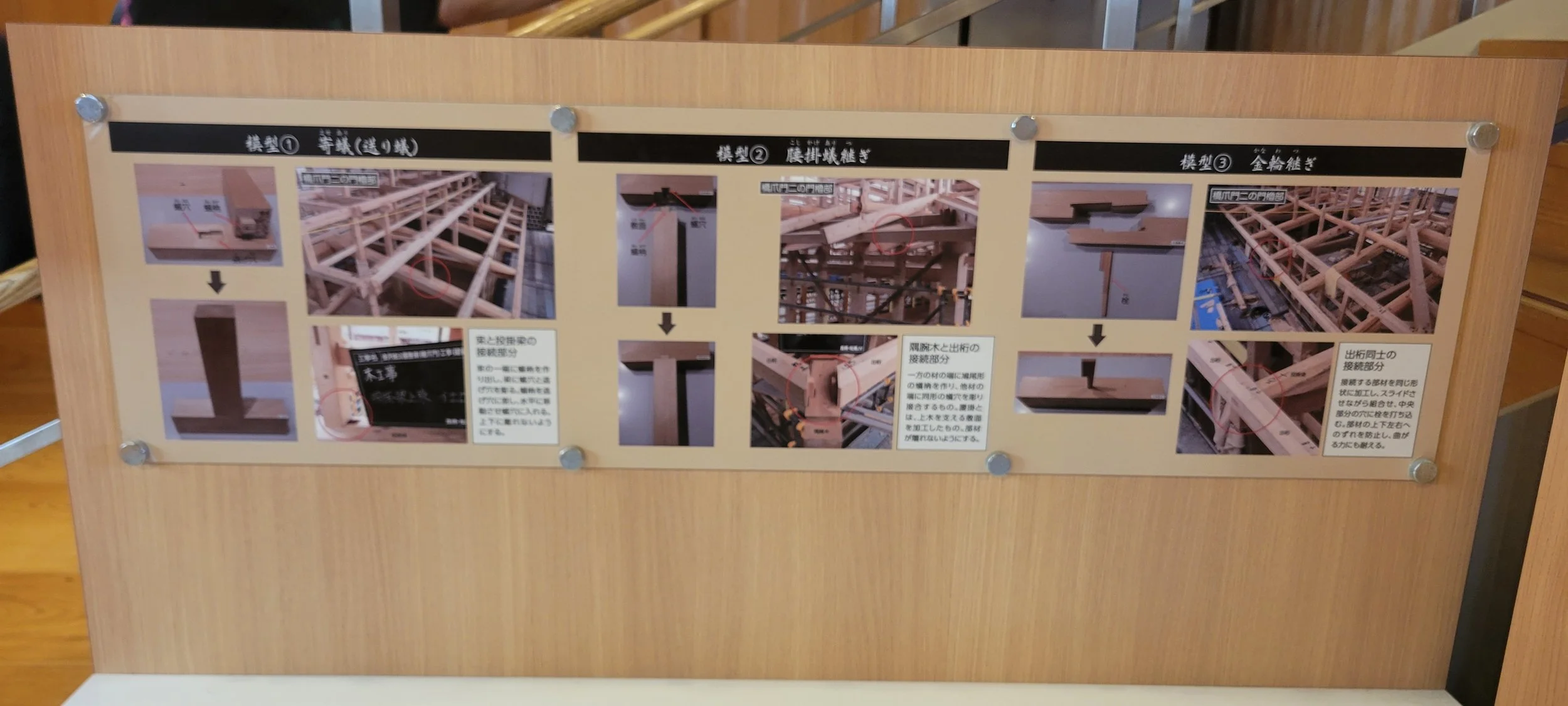
Our final major stop was Kanazawa Castle, covering 702 acres. While lightning strikes and earthquakes have caused damage over the centuries, the castle has been meticulously restored using traditional wooden joint techniques.
Walking through the castle, you get incredible views of the grounds and the moat system, constructed in 1583. The site serves as both a historical landmark and an architectural museum.
Dining Around Kanazawa Station
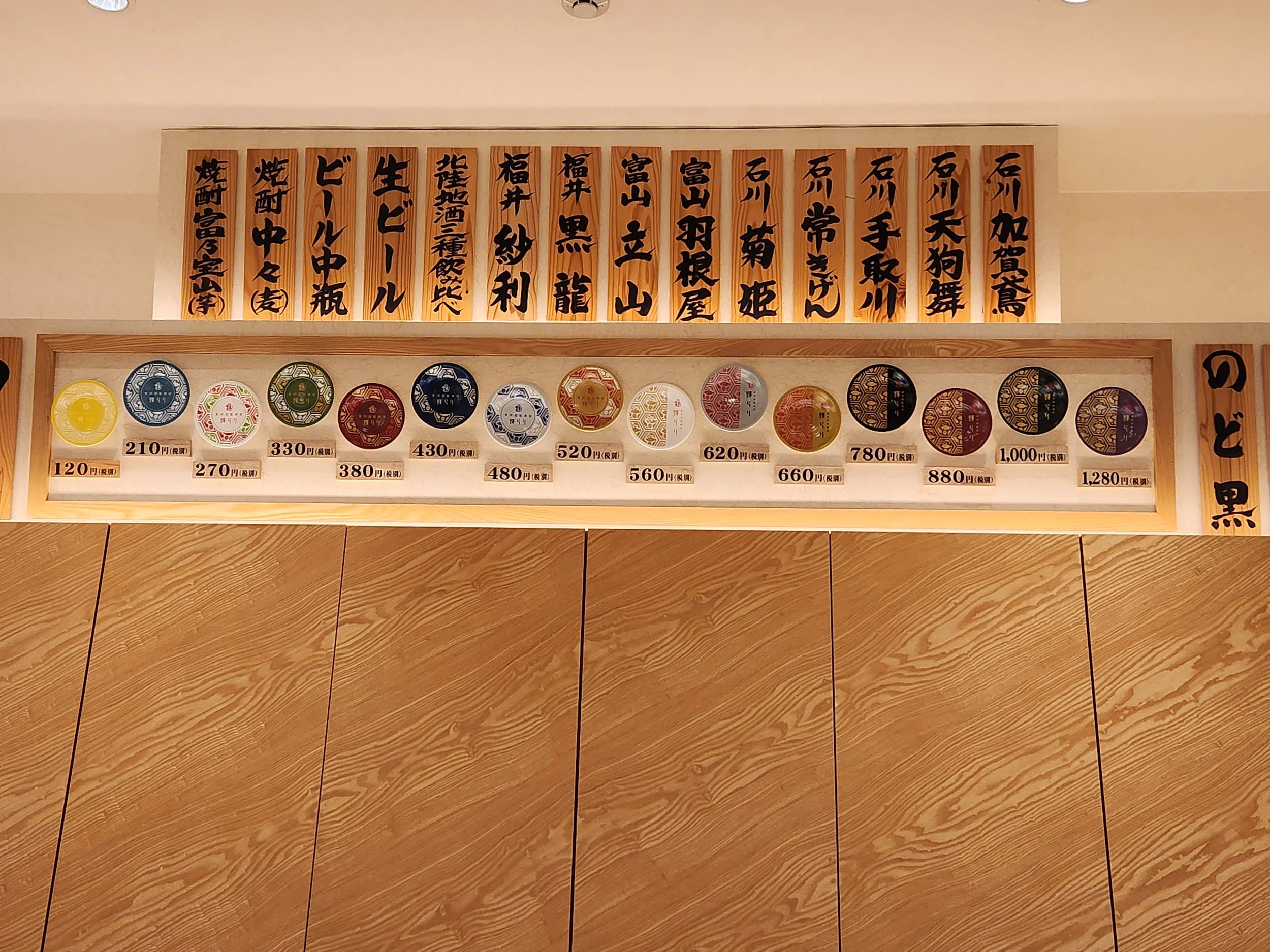
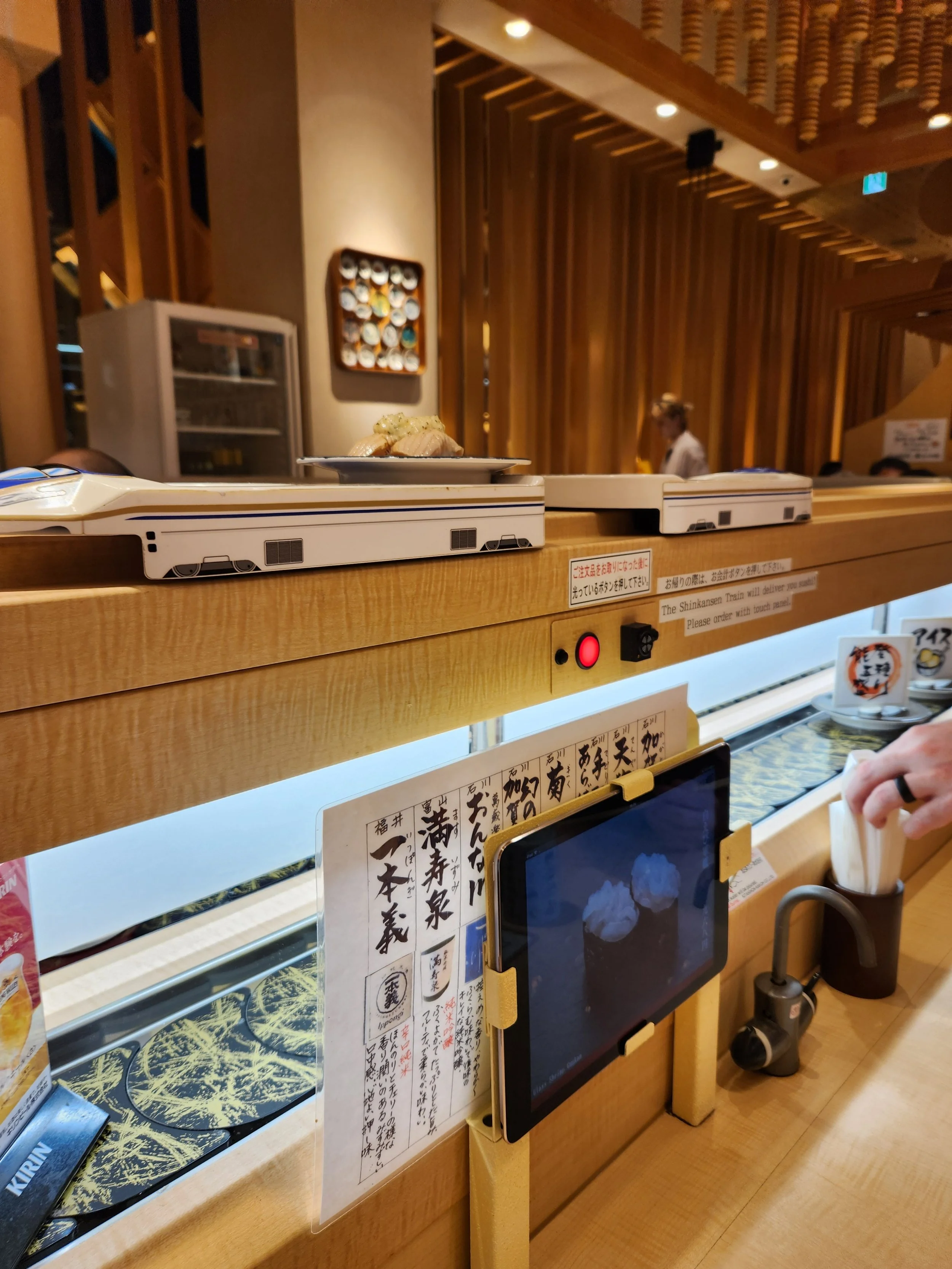
After a long day of sightseeing, we enjoyed dinner at Kirari conveyor belt sushi restaurant near the station. The touchscreen ordering system and Shinkansen delivery made for a fun and convenient experience.
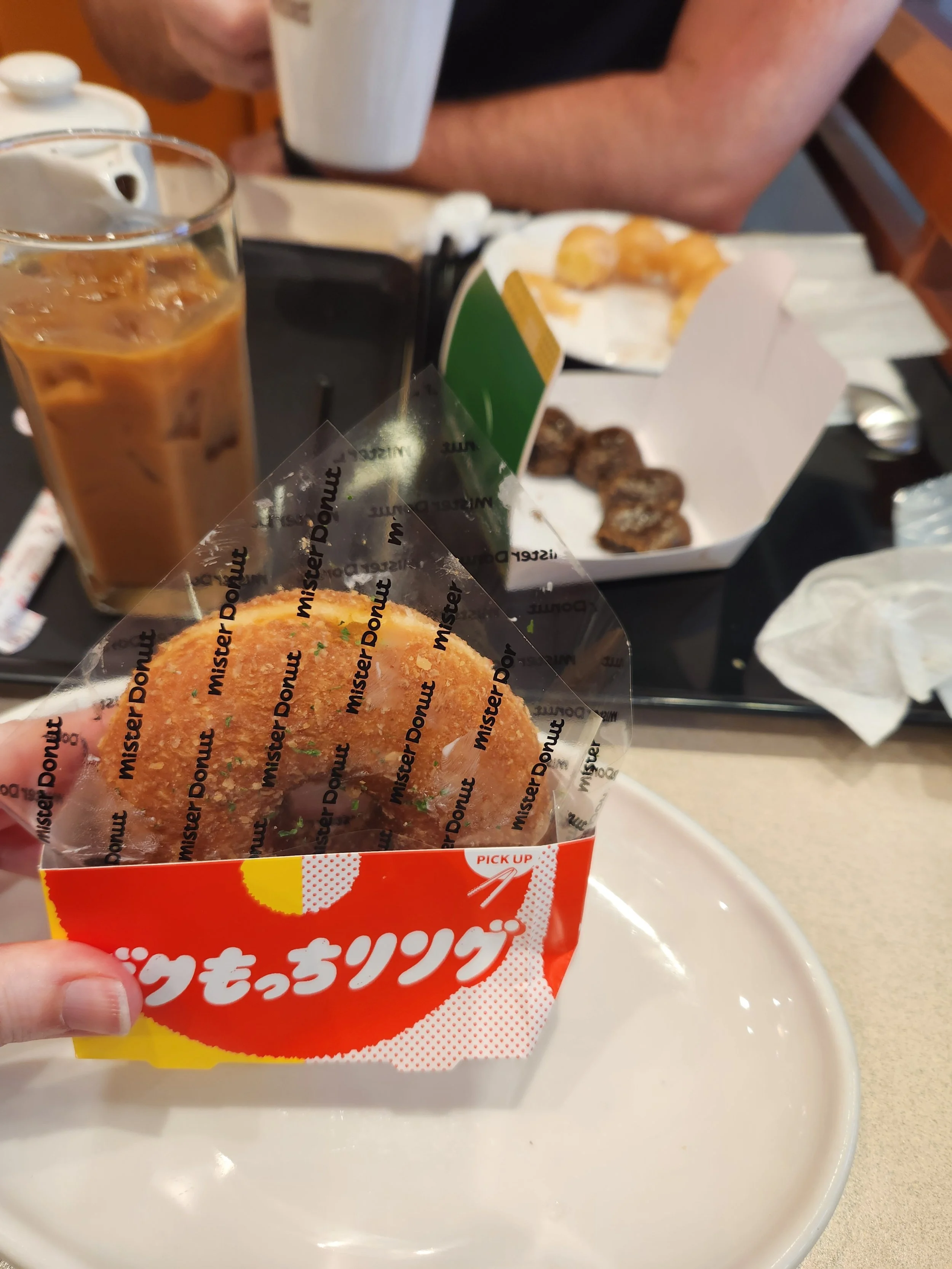
The next morning, we grabbed breakfast at Mister Donut, trying unique offerings like egg salad and curry donuts—deliciously unexpected.

Tips for Visiting Kanazawa
Traveling: Use passes like the Hokuriku Arch Pass for convenience.
Timing: Give yourself plenty of time at train stations to avoid stress.
Cultural etiquette: Learn basic Japanese greetings and correct pronunciations.
Dining: Be prepared for queues, especially at popular restaurants and markets.
Kanazawa offers a perfect mix of history, culture, and culinary delights. From strolling through samurai streets to enjoying local seafood and sake, it’s a city that should be on every Japan itinerary. Next up, we’ll be heading to Kyoto for a traditional tea ceremony and more iconic sights.
